Why Protein Matters More as You Age
Lisa Bos ·
Listen to this article~4 min
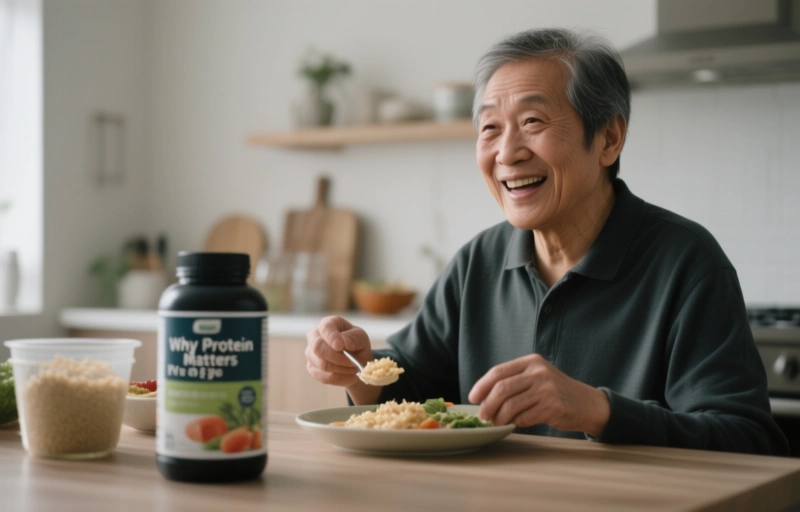
Protein isn't just for athletes. As we age, our bodies need more to maintain muscle and prevent frailty. Learn simple ways to boost your intake with everyday foods.
You've probably heard it a hundred times: you need more protein. But is it really that critical? According to a recent discussion sparked by a sports medicine doctor, the answer is a resounding yes—especially for older adults. Many of us, particularly those over 60, simply aren't getting enough. Let's break down why this matters and how you can easily boost your intake.
### Why Protein Is Non-Negotiable
Protein isn't just for bodybuilders. It's the building block for every cell in your body. Your muscles, skin, hair, and even your immune system rely on it. As we age, our bodies become less efficient at using protein, a condition known as anabolic resistance. This means you need to eat more just to maintain the same level of muscle mass. Without enough, you risk sarcopenia—the gradual loss of muscle that can lead to frailty, falls, and a slower metabolism.

### How Much Do You Actually Need?
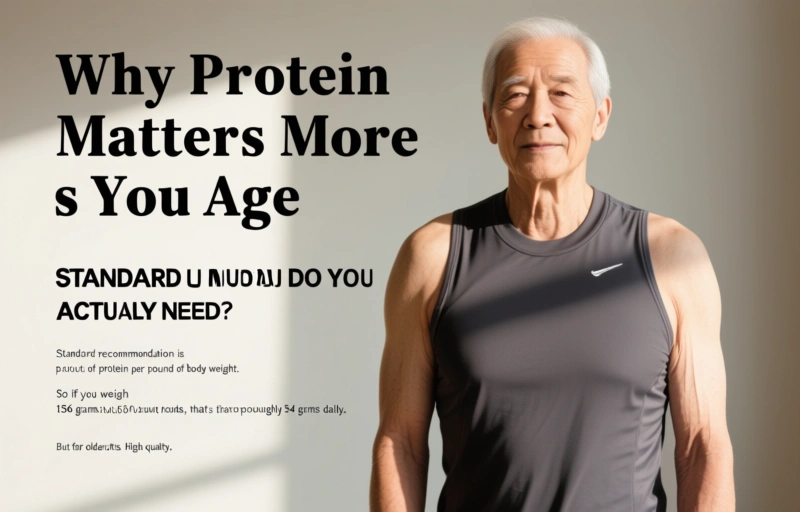
The standard recommendation is about 0.36 grams of protein per pound of body weight. So if you weigh 150 pounds, that's roughly 54 grams daily. But for older adults, many experts suggest bumping that up to 0.5–0.7 grams per pound. For that same 150-pound person, that's 75–105 grams. To put it in perspective, a 3-ounce serving of chicken breast has about 26 grams, and a cup of Greek yogurt has around 20 grams. It's not as hard as it sounds once you know where to look.
### Simple Ways to Add More Protein to Your Day
You don't need fancy supplements or expensive shakes. Here are a few easy swaps and additions:
- **Start your morning strong:** Add a scoop of unflavored protein powder to your oatmeal or coffee. Or have two eggs instead of one.
- **Snack smarter:** Replace chips with a handful of almonds (6 grams per ounce) or a stick of string cheese (8 grams).
- **Upgrade your lunch:** Toss a can of tuna or leftover grilled chicken onto your salad. Even a half-cup of cottage cheese adds 14 grams.
- **Don't forget dinner:** Aim for a palm-sized portion of lean meat, fish, or tofu. A 4-ounce salmon fillet packs about 23 grams.
> "The biggest mistake I see is that people spread their protein intake unevenly," says the sports medicine doctor. "They might have almost none at breakfast, a little at lunch, and then a huge steak at dinner. Your muscles need a steady supply throughout the day."
### What About Plant-Based Protein?
If you're vegetarian or just trying to eat less meat, you can absolutely get enough protein. Combine sources like beans and rice, or hummus and whole-wheat pita, to create complete proteins. Lentils, quinoa, edamame, and even peas are all excellent choices. Just be mindful that plant proteins are often less digestible, so you may need to eat slightly more to get the same benefit.
### The Bottom Line
Protein isn't a magic bullet, but it's a crucial part of staying strong and independent as you get older. Start by making small changes—add an egg to your breakfast, swap your afternoon cookie for a handful of nuts, and try to include a source of protein at every meal. Your future self will thank you.
*This content is for informational purposes only and does not constitute medical advice. Always consult with a healthcare provider before making significant changes to your diet.*