Why 10,000 Steps a Day Is No Longer Needed for Health
Lisa Bos ·
Listen to this article~3 min
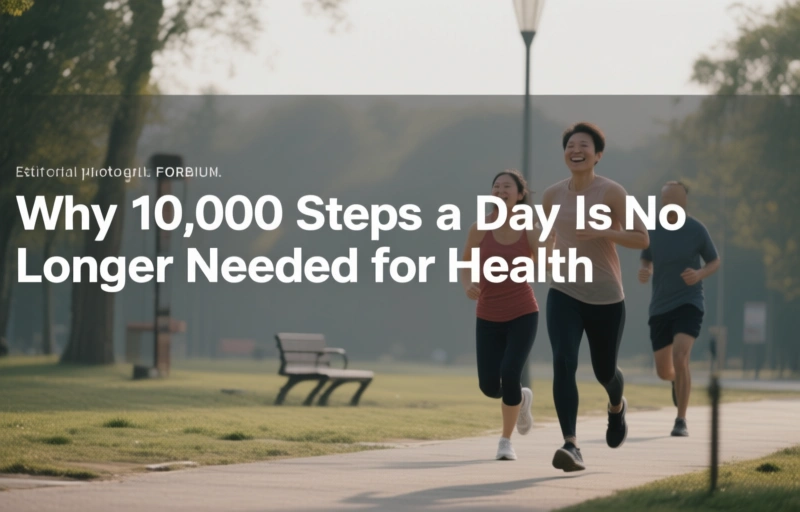
Discover why the 10,000-step goal is outdated and how you can improve your health with less walking. Learn the real science behind daily movement and simple tips to stay active without the pressure.
You've probably heard it a thousand times: hit 10,000 steps a day, and you're golden. It's become the gold standard for fitness, right? Well, not anymore. Recent research is shaking up that old rule, and honestly, it's a relief. Let's dive into why you can stop stressing over that magic number.
### The Truth Behind the 10,000-Step Goal
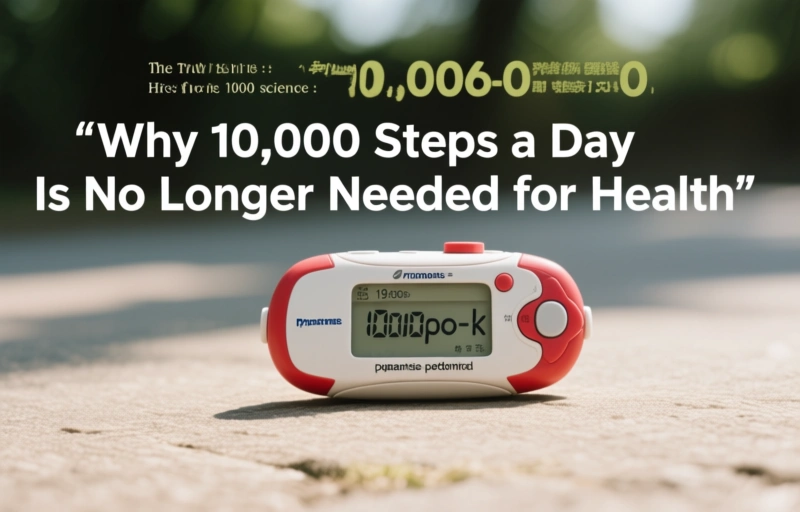
Here's a fun fact: the 10,000-step target wasn't born from science. It started as a marketing gimmick for a Japanese pedometer in the 1960s. The name "manpo-kei" literally means "10,000 steps meter." Crazy, right? Since then, studies have shown that health benefits kick in way before you hit that mark. A 2019 study in JAMA Internal Medicine found that women who took just 4,400 steps per day had a significantly lower risk of death compared to those taking 2,700. The benefits plateaued around 7,500 steps. So, you don't need to walk a marathon to see results.
### What Really Matters for Your Health
It's not about the number; it's about moving your body. Your goal should be consistent, moderate activity. Think brisk walks, climbing stairs, or even gardening. The key is to get your heart rate up a bit. Aim for 150 minutes of moderate exercise per week, as recommended by the CDC. That breaks down to about 22 minutes a day. So, instead of obsessing over steps, focus on time spent moving.
### How to Rethink Your Daily Movement
Start small. If you're not active now, don't aim for 10,000 steps. Try adding a 10-minute walk after lunch. Park farther from the store. Take the stairs instead of the elevator. These little changes add up. And here's a pro tip: use a fitness tracker to see your baseline, then increase by 1,000 steps each week. You'll build a habit without burning out.
- **Track your steps for a week** to find your average.
- **Add 1,000 steps per day** each week until you hit 7,500.
- **Mix it up** with strength training or yoga for variety.
### The Bottom Line on Steps and Health
Don't let the 10,000-step myth stress you out. Your health isn't a competition. It's about feeling good and staying active in ways that work for you. Listen to your body. If you're sore, rest. If you're energized, move more. The best routine is the one you'll stick with. So, step away from the pressure and just keep moving.
### A Simple Way to Start Today
Take a 15-minute walk right now. No tracking, no goals. Just enjoy the fresh air. You'll feel better, and that's what matters. Remember, every step counts, not just the 10,000th one.