WHO Reports 900 Suspected Ebola Cases in DRC: What You Need to Know
Lisa Bos ·
Listen to this article~4 min
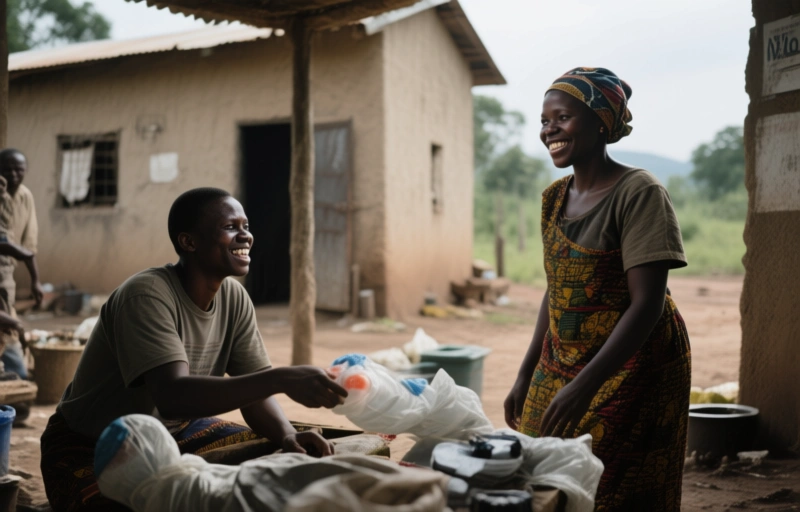
The WHO reports 900 suspected Ebola cases in the DRC. Learn what this means, how Ebola spreads, and what's being done to contain the outbreak without panicking.
The World Health Organization (WHO) has reported around 900 suspected Ebola cases in the Democratic Republic of the Congo (DRC). This is a serious situation, but it's important to stay informed without panicking. Let's break down what's happening and what it means for global health.
### What the Numbers Mean
When we hear a number like 900, it's easy to assume the worst. But here's the thing: these are *suspected* cases, not confirmed ones. Many of these could turn out to be other illnesses with similar symptoms. The WHO is working hard to test and confirm each case. Still, the scale is concerning because Ebola is a severe, often fatal disease. It spreads through direct contact with bodily fluids, so containment is key.
For context, the DRC has dealt with Ebola outbreaks before. The country's health teams are experienced, but resources can be stretched thin. The current outbreak is in a remote area, which makes logistics tough. Roads are bad, and some villages are only reachable by foot or helicopter.
### How Ebola Spreads and Why It's a Threat
Ebola isn't airborne like the flu. You catch it by touching infected blood, vomit, or other fluids. That's why healthcare workers are at high risk. Symptoms start with fever, headache, and muscle pain, then progress to vomiting, diarrhea, and sometimes internal bleeding. It's scary, but early treatment improves survival odds.
Here are key facts about transmission:
- Direct contact with infected people or animals (like fruit bats or monkeys)
- Touching contaminated surfaces, like bedding or needles
- Burial practices that involve touching the body
The WHO is training local teams to spot symptoms early and isolate patients. They're also using a new vaccine that's shown promise in previous outbreaks.
### What's Being Done to Stop the Outbreak
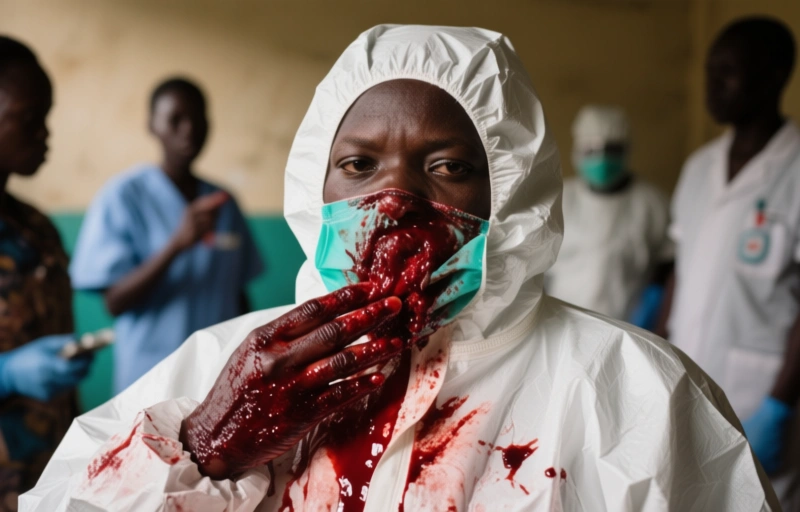
International health organizations are stepping up. The WHO has deployed experts to track cases and educate communities. They're setting up treatment centers and distributing protective gear. But there are challenges:
- Mistrust of outsiders in some communities
- Limited access to clean water and soap for hygiene
- Cross-border travel that could spread the virus to neighboring countries
Despite these hurdles, progress is being made. Contact tracing is happening, and suspected patients are being monitored. The goal is to break the chain of transmission as fast as possible.
### What You Should Know (Without Freaking Out)
For most people in the US, the risk is extremely low. Ebola outbreaks are almost always contained to Africa. But it's a reminder of why global health matters. When diseases aren't stopped at the source, they can travel. That's why the WHO's work is so important.
If you're worried, focus on what you can control: stay informed through reliable sources, support organizations fighting the outbreak, and remember that modern medicine has tools to fight Ebola that didn't exist a decade ago.
### The Bigger Picture
This outbreak shows how fragile our health systems can be. It also highlights the need for continued investment in public health. Every dollar spent on prevention saves lives and money later. For instance, the cost of containing an Ebola outbreak is far less than dealing with a global pandemic.
So while 900 suspected cases sounds alarming, it's a call to action, not a reason to panic. The WHO and local responders are on it. And with the right support, they can stop this outbreak in its tracks.
Stay safe, stay informed, and remember: knowledge is power. The more we understand about diseases like Ebola, the better we can protect ourselves and others.