Water Quality Debate: Health First in West Flanders
Lisa Bos ·
Listen to this article~4 min
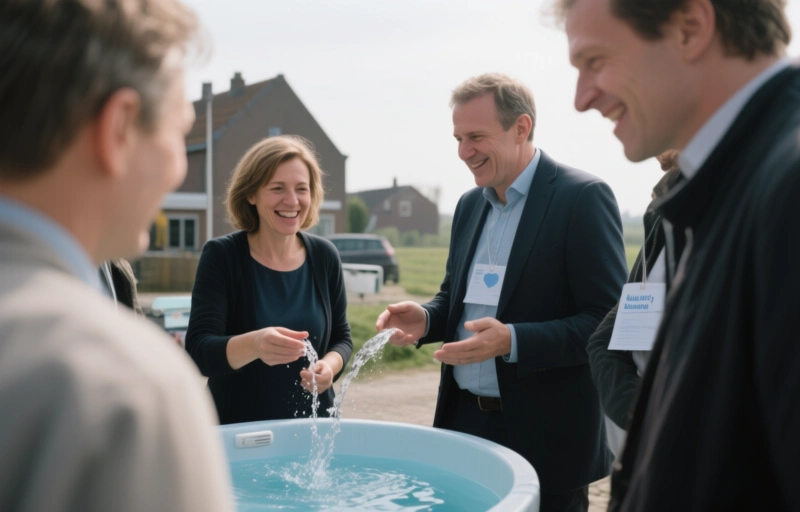
A recent debate in West Flanders, Belgium, highlights the urgent need for clean drinking water. Learn what contaminants to watch for and how to test your water at home.
Clean drinking water is something most of us take for granted. You turn on the tap, fill a glass, and don't think twice. But what happens when that trust gets shaken? A recent debate in West Flanders, Belgium, put water quality front and center. The message from local leaders was clear: health must come first.
### Why Water Quality Matters More Than Ever
We're talking about something that touches every part of your life. From the water you drink to the food you cook, it's essential. But contaminants can sneak in. Things like pesticides, heavy metals, or even old pipe infrastructure can affect what comes out of your faucet. According to the World Health Organization, unsafe water causes millions of health issues globally each year.
Here's what experts say you should watch for:
- Lead from old plumbing
- Nitrates from agricultural runoff
- Bacteria like E. coli or coliform
- Chlorine byproducts from treatment
You might not notice these things right away. But over time, they can lead to digestive problems, skin issues, or more serious conditions.
### The West Flanders Debate: A Wake-Up Call
The provincieraad (provincial council) didn't just talk. They pushed for action. The debate centered on whether current testing and treatment methods are enough. Some council members argued that we need stricter standards. Others focused on the cost of upgrades. But in the end, the consensus was simple: you can't put a price on health.
This isn't just a European issue. In the United States, similar discussions happen every day. From Flint, Michigan, to smaller towns across the country, communities are asking the same questions. Is my water safe? What's really in it?
### What You Can Do About Your Water
You don't have to wait for politicians to act. There are practical steps you can take right now to protect yourself and your family.
**Test your water.** Home testing kits are affordable and easy to use. They check for common contaminants like lead, bacteria, and pH levels. If you're on well water, the CDC recommends testing at least once a year.
**Consider a filter.** Not all filters are the same. Some remove chlorine and improve taste. Others target specific contaminants like lead or pesticides. Look for filters certified by NSF International or the Water Quality Association.
**Stay informed.** Local water quality reports are public. Your utility company sends one every year. Read it. It tells you exactly what's in your water and where it comes from.
### The Bigger Picture: Health and Prevention
Water quality is just one piece of the puzzle. What you put into your body affects everything. Your energy, your mood, your long-term health. That's why we talk about food allergies, blood tests, and environmental factors here. It's all connected.
Think about it this way. If you're dealing with unexplained symptoms—fatigue, brain fog, skin rashes—your water could be a hidden trigger. It's worth checking. A simple blood test can also reveal sensitivities or imbalances you didn't know you had.
### Taking Control of Your Health
You don't need to be a scientist to make better choices. Start small. Test your water. Read labels. Ask questions. The debate in West Flanders reminds us that health should always be the priority. Whether it's water, food, or air, we deserve to know what's in our environment.
And if you're curious about your own health, consider talking to a specialist. A simple blood test can uncover a lot. It's not about fear. It's about awareness. When you know better, you can do better.
**Remember:** Your health is your most valuable asset. Protect it.