Video Consults Expand for Therapists and Midwives
Lisa Bos ·
Listen to this article~3 min
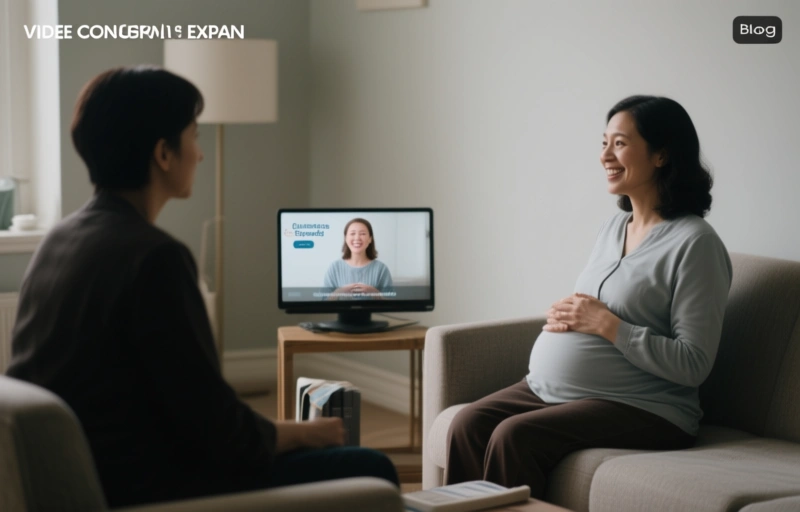
Telehealth expands: kinesiologists, speech therapists, and midwives can soon offer video consultations. Learn how this shift improves access to care, saves time, and supports patients in rural areas.
Telehealth is about to get a whole lot bigger. Soon, kinesiologists, speech therapists, and midwives in certain regions will be able to offer video consultations. This shift opens up care for people who can't easily get to a clinic. It's a big step forward for making healthcare more accessible.
### What This Change Means for You
If you've ever had to cancel a therapy session because of a snowstorm or a long drive, this news is for you. Video consults let you connect with your specialist from your living room. You save time, gas money, and the stress of traffic. For many, this isn't just convenient—it's a lifeline.
- **Kinesiologists** can guide you through exercises at home.
- **Speech therapists** can work with kids or adults via screen.
- **Midwives** can offer prenatal check-ins without a trip to the office.
This move recognizes that not everyone lives 10 minutes from a clinic. It also helps professionals reach more patients, especially in rural areas where specialists are scarce.
### How It Works in Practice
You'll still need a referral in many cases. But once you're set up, the process is simple. You get a secure link, log on at your appointment time, and talk face-to-face with your provider. They can see your movements, hear your speech, or discuss your pregnancy concerns just like in person.
Of course, some things still require an in-office visit. Hands-on assessments or certain tests can't be done through a screen. But for follow-ups, routine checks, or coaching sessions, video is a powerful tool.
### The Bigger Picture on Health Access
This isn't just about convenience. It's about breaking down barriers. Think of a new mom who can't drive after a C-section. Or a stroke survivor who needs speech therapy but lives 50 miles from the nearest specialist. Video consults bridge that gap.
Experts say this trend will keep growing. Insurance companies are starting to cover more telehealth services. And patients are asking for it. In fact, a recent survey found that over 70% of people would choose a video visit if it saved them more than 30 minutes of travel time.
> "Telehealth isn't a replacement for in-person care. But for many situations, it's just as effective and a lot more practical." — Dr. Sarah Lin, health policy researcher
### What to Expect Next
Regulatory changes are happening fast. Some states have already expanded telehealth rules permanently. Others are testing pilot programs. If you're a therapist or midwife, now is the time to get your tech ready. If you're a patient, ask your provider if they offer video visits.
One thing is clear: healthcare is becoming more flexible. And that's good news for everyone who needs it.
### Final Thoughts
Video consultations aren't a fad. They're a real solution for real problems. Whether you're recovering from an injury, helping a child with a speech delay, or expecting a baby, this option puts care closer to home. Keep an eye on local health policies to see when it becomes available in your area.