Unneeded Back Surgeries Exposed by Belgian TV Probe
Lisa Bos ·
Listen to this article~4 min
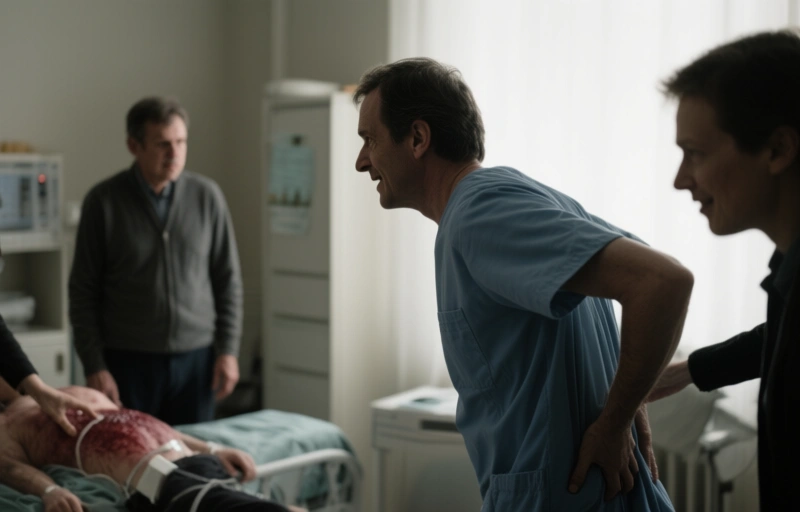
A Belgian TV investigation reveals some surgeons perform unnecessary back surgeries for profit, putting patients at risk. Learn what surgeries are involved and how to protect yourself.
A recent investigation by the Belgian television program 'Pano' has uncovered a disturbing trend: some surgeons are performing unnecessary back operations, putting profit ahead of patient health. This report, originally covered by De Standaard, raises serious questions about medical ethics and the pressures within healthcare systems. Let's break down what happened and why it matters for anyone considering back surgery.
### The Core of the Investigation
The 'Pano' team spent months looking into specific spinal fusion surgeries and other invasive back procedures. They found evidence that certain doctors were recommending operations that weren't medically necessary. In some cases, patients were told they needed surgery when less invasive treatments like physical therapy or pain management would have worked just as well.
Why would a surgeon do this? The investigation points to financial incentives. In some healthcare models, doctors earn more when they perform more surgeries. This can create a conflict of interest where the doctor's wallet is pitted against the patient's well-being.

### What Kind of Surgeries Are We Talking About?
We're not talking about emergency procedures for accidents or severe trauma. The focus is on elective back surgeries, particularly spinal fusions. These are major operations where vertebrae are permanently joined together. They're often recommended for chronic back pain, but evidence shows they're not always effective.
- Spinal fusion: The most common unnecessary procedure mentioned.
- Laminectomy: Removing part of the vertebra to relieve pressure.
- Disc replacement: Artificial discs inserted between vertebrae.
These surgeries come with real risks: infection, nerve damage, blood clots, and long recovery times. Patients who undergo them unnecessarily face all those dangers without any real benefit.
### The Human Cost
Think about what this means for real people. A patient trusts their doctor, goes through a painful surgery, spends weeks recovering, and maybe even loses income during that time. But the underlying problem never gets fixed. Some patients end up with chronic pain that's actually worse than before.
"Some doctors placed money above the health of patients," the report stated. That's a harsh accusation, but the evidence suggests it's true in some cases. The financial pressure on doctors can be intense, especially when hospital systems reward high procedure volumes.
### What Can Patients Do?
This doesn't mean all back surgeries are bad. Many are absolutely necessary and life-changing. But it does mean you need to be your own advocate. Here are a few practical steps:
- Always get a second opinion before agreeing to major back surgery.
- Ask if less invasive options have been tried first.
- Look for surgeons who specialize in non-surgical treatments as well.
- Check if your insurance covers alternative therapies like physical therapy or chiropractic care.
### The Bigger Picture
This investigation isn't just about Belgium. Similar issues exist in the US, where fee-for-service models can encourage over-treatment. The key takeaway is that healthcare should always put patients first. If a recommended surgery feels rushed or too aggressive, take a step back.
Knowledge is power. By understanding the risks and asking the right questions, you can avoid becoming a statistic. The 'Pano' report is a wake-up call for everyone in the medical field and for patients who trust their doctors blindly.
### Final Thoughts
Unnecessary surgeries are a betrayal of trust. They waste resources, cause harm, and undermine confidence in the medical profession. If you're facing a back surgery decision, take your time. Research your options. Talk to multiple experts. Your health is too important to leave to chance.
Stay informed, stay skeptical, and stay healthy.