Understanding IBR Outbreaks: Impact on Livestock and…
Lisa Bos ·
Listen to this article~4 min
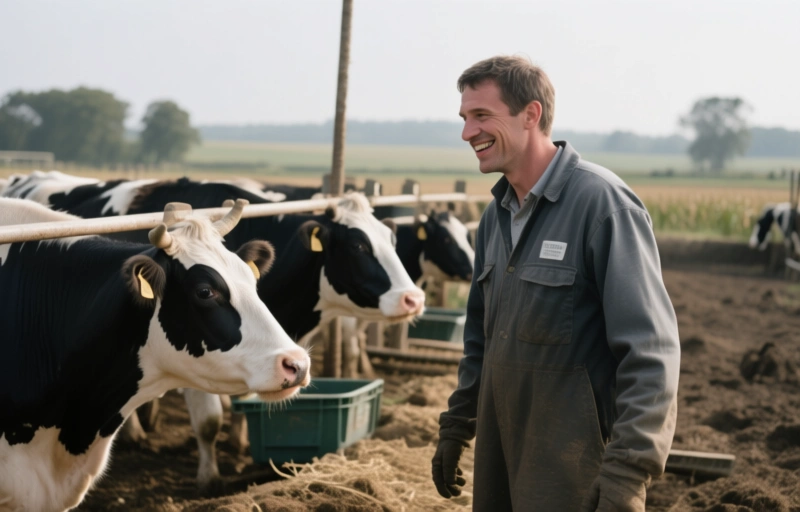
Understanding IBR outbreaks in livestock: how Infectious Bovine Rhinotracheitis affects cattle health, agricultural operations, and what prevention strategies farmers can implement to protect their herds.
### What Is Infectious Bovine Rhinotracheitis?
You've probably heard about livestock diseases, but IBR—that's Infectious Bovine Rhinotracheitis—is one that really gets farmers worried. It's a viral infection that affects cattle, and it's not something to take lightly. Think of it like a really bad respiratory infection that spreads quickly among herds. When it hits, it doesn't just make animals sick—it can seriously impact milk production, fertility, and overall herd health.
Now, here's the thing about viruses like IBR. They don't respect borders. An outbreak in one region can easily spread to neighboring areas, especially when animals are transported or when there's shared grazing land. That's why when we hear about outbreaks in border regions, it's a red flag for everyone involved in agriculture.
### The Real Impact on Livestock Operations
When IBR hits a herd, it's not just about sick animals. The economic consequences can be substantial. Let's break it down:
- Reduced milk production in dairy herds—we're talking significant drops that can last weeks
- Reproductive issues including abortions and reduced fertility rates
- Weight loss and poor growth in beef cattle
- Increased veterinary costs and treatment expenses
- Potential trade restrictions affecting livestock movement
Farmers dealing with an outbreak face tough decisions. Do they quarantine? How do they manage biosecurity? What about the long-term health of their herd? These aren't easy questions, and the answers often involve difficult trade-offs.
### Prevention and Management Strategies
Here's where proactive measures make all the difference. Good biosecurity practices aren't just fancy terms—they're essential tools in preventing disease spread. Think about it like this: you wouldn't want someone with a bad flu coming into your home without precautions, right? Same principle applies to livestock operations.
Vaccination programs play a crucial role too. While they don't always prevent infection completely, they can reduce the severity of symptoms and limit viral shedding. Regular testing helps identify infected animals early, allowing for better management decisions. And let's not forget about quarantine protocols for new animals—it's basic but so important.
### Looking at the Bigger Picture
One outbreak affecting over a thousand animals tells us something important about disease surveillance and response systems. It highlights why regional cooperation matters in agriculture and animal health. When diseases cross borders, everyone needs to be on the same page about reporting, testing, and containment measures.
As one experienced veterinarian put it: 'Disease management isn't just about treating sick animals—it's about protecting the entire agricultural ecosystem.' That perspective reminds us that livestock health connects to food security, economic stability, and rural communities.
### What This Means for Consumers
You might wonder how this affects you if you're not directly involved in agriculture. Well, livestock health ultimately connects to food supply chains. Healthy animals mean more stable food production. Disease outbreaks can disrupt that stability, potentially affecting availability and prices at your local grocery store.
It also speaks to the importance of supporting sustainable farming practices. When farmers have the resources and knowledge to maintain healthy herds, everyone benefits. That includes proper veterinary care, adequate facilities, and ongoing education about disease prevention.
### Moving Forward with Better Practices
The takeaway here isn't to panic about every disease outbreak. Rather, it's to recognize that animal health requires constant attention and investment. Whether you're a large-scale producer or someone who cares about where your food comes from, understanding these challenges helps create more resilient agricultural systems.
We've come a long way in managing livestock diseases, but there's always room for improvement. Better diagnostic tools, more effective vaccines, and stronger collaboration between farmers, veterinarians, and researchers—these are the building blocks of healthier herds and more secure food supplies.
So next time you hear about a livestock disease outbreak, remember it's not just a news headline. It's a reminder of the complex, interconnected world of agriculture and why supporting animal health matters for all of us.