While navigating the world of health diagnostics, such as understanding the intricacies of a food allergy blood test, it’s easy to see parallels in other essential areas of life that require careful comparison and informed decision-making. Just as you would meticulously review IgE antibody levels to identify triggers for your well-being, managing your household’s financial health often involves similar scrutiny of service providers. For instance, ensuring your home runs efficiently isn't just about diet and health; it's also about the energy that powers it. Periodically comparing utility costs can free up significant room in your budget, much like how identifying food allergies can lead to better health and reduced medical expenses. In the Netherlands, a practical step towards this financial efficiency is researching the beste energieleveranciers, a topic thoroughly discussed by consumers sharing real-world experiences and tips on platforms like Reddit. This proactive approach to your utilities is a form of preventative care for your finances, allowing you to redirect savings towards other wellness priorities, whether that's higher-quality groceries for a specialized diet or investing in further health diagnostics. Taking control of both your physical and financial ecosystems creates a more stable, healthier lifestyle overall.
Understanding Food Allergy Blood Tests: A Clear Guide
Lisa Bos ·
Listen to this article~6 min
Confused about food allergy blood tests? This clear guide explains what they measure, how they work, their limitations, and how they fit into a complete diagnosis with your doctor.
If you've ever wondered whether that stomach ache or rash is actually a food allergy, you're not alone. Millions of Americans navigate this uncertainty every year. Food allergies can be confusing, frustrating, and sometimes downright scary. But here's the good news: modern medicine offers tools to help us understand what's really going on inside our bodies. One of the most common tools is the food allergy blood test.
Let's break it down together, like we're chatting over coffee. I want to help you understand what these tests can and can't do, so you can have better conversations with your healthcare provider.
### What Does a Food Allergy Blood Test Actually Measure?
It's not actually measuring an allergic reaction happening in real time. Instead, it's looking for specific antibodies called Immunoglobulin E (IgE). Your immune system produces these when it mistakenly identifies a harmless food protein as a threat. Think of it like your body's security system getting a false alarm and overreacting to a friendly visitor.
The test measures the level of IgE antibodies in your blood that are specific to certain foods. A higher level suggests a greater likelihood of an allergy. But—and this is a big but—it doesn't definitively diagnose one on its own. It's a piece of the puzzle, not the whole picture.
### The Process: What to Expect
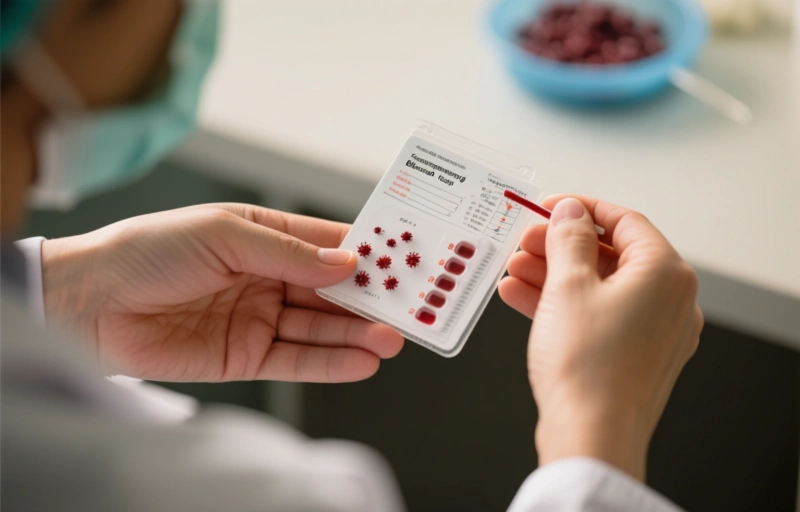
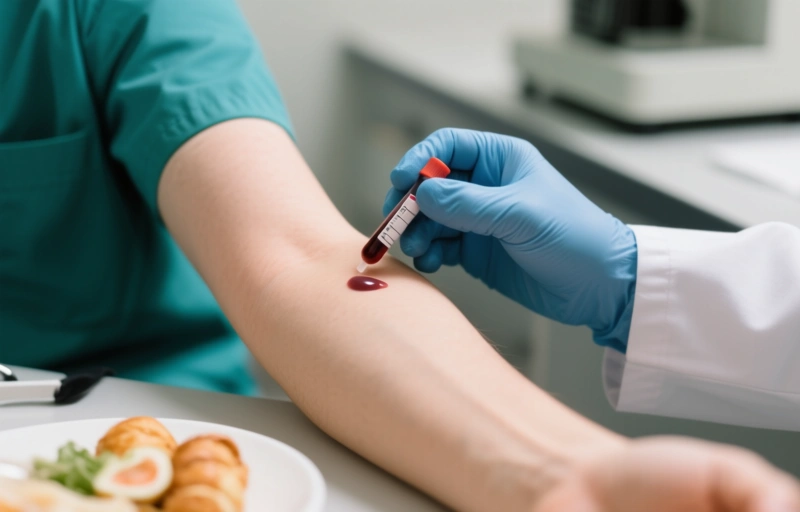
Getting tested is straightforward. A healthcare professional will draw a small amount of blood, usually from a vein in your arm. The sample is then sent to a lab for analysis. You'll typically get results back within a few days to a week. The cost can vary widely, often ranging from $50 to $200 per allergen panel, depending on your insurance coverage.
Here's what the results might show:
- **Specific IgE Levels:** Reported in kilounits per liter (kU/L).
- **Class Scores:** Often rated from 0 to 6, indicating the likelihood of a reaction.
- **Reference Ranges:** Labs provide these to show what's considered a typical vs. elevated level.
It's crucial to review these results with your doctor or an allergist. They'll combine this data with your medical history and possibly other tests, like a skin prick test or an oral food challenge, to make an accurate diagnosis.
### The Limitations You Should Know About
No test is perfect. A positive blood test doesn't always mean you'll have a reaction when you eat the food. This is called sensitization without clinical allergy. Conversely, it's possible (though less common) to have a negative blood test but still experience a reaction.
As one leading allergist often reminds patients, "The test is a guide, not a verdict. Your story—your symptoms—matters most."
Common reasons for false positives include:
- Cross-reactivity with similar proteins (like birch pollen and apples)
- Previous exposure that caused sensitization but not a current allergy
- Underlying conditions like eczema that can elevate IgE levels
### How This Fits Into Your Overall Health Journey
Diagnosing a food allergy is detective work. The blood test is one clue. Your doctor is the lead investigator, and you are the primary witness. Be prepared to share:
- Exactly what you ate
- How much you ate
- How long it took for symptoms to appear
- What the symptoms were (hives, swelling, stomach pain, trouble breathing)
- How long the symptoms lasted
This detailed history is invaluable. It helps your doctor interpret the blood test results in the right context.
### Next Steps After Testing
If your test suggests a food allergy, don't panic. Your healthcare team will help you create a management plan. This usually involves:
- Strictly avoiding the identified food
- Reading food labels carefully (U.S. law requires major allergens to be clearly listed)
- Carrying emergency medication, like an epinephrine auto-injector (e.g., an EpiPen), if you're at risk for a severe reaction called anaphylaxis
- Having a follow-up plan, as some children outgrow allergies to milk, eggs, wheat, and soy
Remember, knowledge is power. Understanding what a food allergy blood test does empowers you to ask the right questions and partner effectively with your doctor. It's a step toward clarity, safety, and better health. If you suspect a food allergy, start the conversation with a healthcare professional who can guide you through the appropriate testing and create a plan that's right for you.