UK's NHS Offers Free Weight Loss Drugs to Prevent Heart…
Lisa Bos ·
Listen to this article~4 min

The UK's NHS is offering free weight loss medications to prevent heart attacks and strokes. This public health strategy targets obesity to reduce cardiovascular risks and healthcare costs.
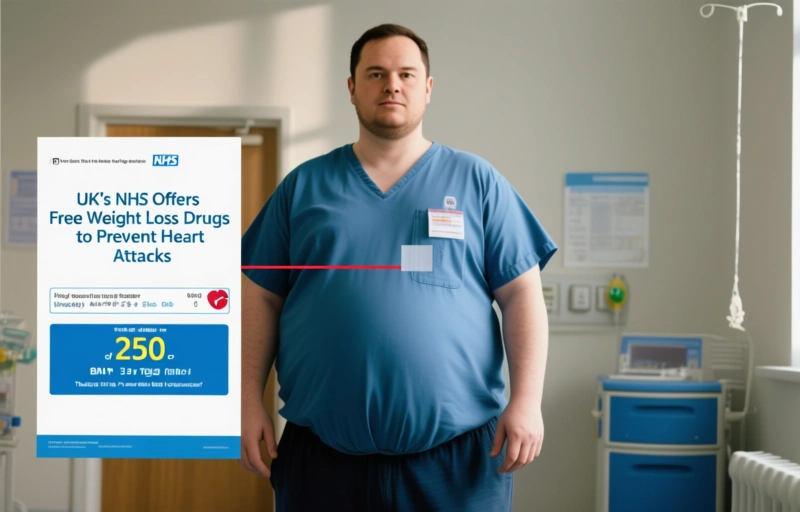
The UK's National Health Service (NHS) is making headlines with a bold new initiative. They're offering free weight loss medications to certain patients, aiming to prevent heart attacks and strokes. It's a fascinating approach that's got healthcare professionals talking on both sides of the Atlantic.
Here's the thing—we're not just talking about handing out pills. This is a targeted public health strategy. The NHS is focusing on patients with obesity who are at high risk for cardiovascular events. They're betting that by addressing weight, they can prevent more serious—and expensive—health crises down the line.
### How Does This NHS Program Work?
The program targets adults with a body mass index (BMI) of 35 or higher. That's roughly 250 pounds for someone who's 5 feet 6 inches tall. But it's not just about weight. Patients also need at least one weight-related health condition, like high blood pressure or type 2 diabetes.
Eligible patients receive prescriptions for medications like semaglutide (sold under brand names like Wegovy). These aren't your old-fashioned diet pills. They're a newer class of drugs called GLP-1 receptor agonists that work by mimicking a hormone that regulates appetite.
- They help you feel full faster
- They slow down stomach emptying
- They can reduce food cravings
### The Big Question: Prevention vs. Treatment
This is where it gets really interesting. The NHS is essentially shifting resources toward prevention. A heart attack or stroke can cost the healthcare system tens of thousands of dollars in emergency care, hospitalization, and long-term treatment. Weight loss medication might cost a few hundred dollars per month.
As one healthcare economist put it, "We're spending dollars today to save thousands tomorrow." It's an investment in population health that could pay off in reduced hospital admissions and better quality of life for patients.
### What This Means for Healthcare in the US
While this is happening across the pond, American healthcare professionals are watching closely. Our system approaches weight management differently—often as an individual responsibility rather than a public health priority.
Private insurance coverage for weight loss medications varies wildly. Some plans cover them completely, some require high copays, and many don't cover them at all. Medicare, for instance, is prohibited by law from covering medications for weight loss alone.
There's also the lifestyle question. Medications work best alongside diet and exercise changes. The NHS program reportedly includes support for these behavioral modifications, recognizing that pills alone aren't a magic solution.
### The Bottom Line
This NHS initiative represents a significant shift in thinking. It treats obesity as a medical condition worthy of pharmaceutical intervention, not just a personal failing. By preventing cardiovascular events before they happen, the UK hopes to improve health outcomes while potentially saving money in the long run.
Whether this approach will catch on in the United States remains to be seen. Our healthcare economics, insurance structures, and cultural attitudes toward weight are different. But one thing's clear—the conversation about how we prevent chronic disease is changing, and medication-assisted weight management is now part of that discussion.
What do you think? Is offering free weight loss drugs a smart public health strategy, or should resources be focused elsewhere? The debate is just beginning.