Tuberculosis Cases Rise Again: What You Need to Know
Lisa Bos ·
Listen to this article~3 min
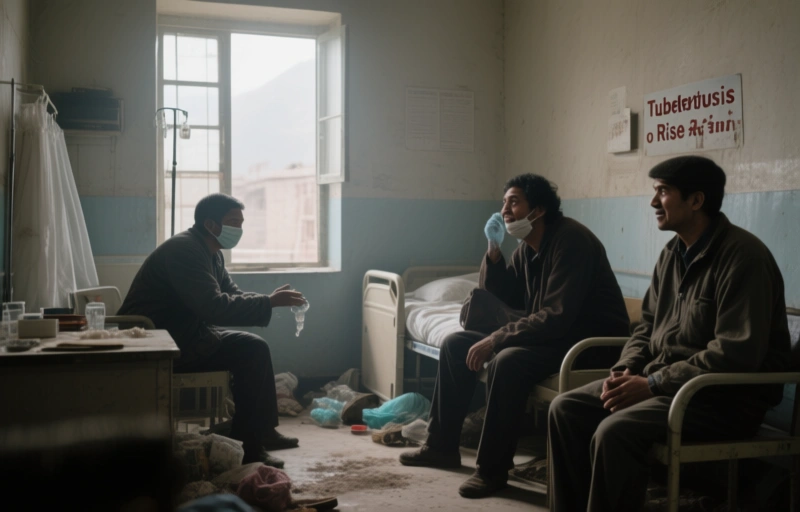
Tuberculosis is on the rise again in parts of Europe. Learn about the causes, symptoms, and how to protect yourself from this preventable disease.
Tuberculosis, or TB, is making a comeback in parts of Europe, including the Netherlands. For years, we thought this deadly disease was on its way out. But recent data shows a troubling uptick in cases. If you work in health or just care about public wellness, this is something to watch.
### Why Tuberculosis Is Returning
TB is caused by bacteria that usually attack the lungs. It spreads through the air when someone with active TB coughs or sneezes. After decades of decline, cases are rising again. Experts point to several reasons: global travel, drug-resistant strains, and gaps in healthcare access. In the Netherlands, the increase is small but significant. It reminds us that infectious diseases don't stay gone forever.
Think of it like a fire that was almost out but caught a new spark. Without vigilance, it can flare up again. That's why public health systems need to stay ready.
### Key Signs and Risks
Not everyone with TB gets sick right away. Many people carry the bacteria without symptoms, a condition called latent TB. But when it becomes active, the signs are hard to miss:
- A persistent cough that lasts more than three weeks
- Chest pain or coughing up blood
- Fatigue, weight loss, and night sweats
- Fever and chills
If you notice any of these, especially after travel or exposure, see a doctor. Early treatment is crucial.
### Who's Most at Risk?
Anyone can get TB, but some groups face higher odds. People with weakened immune systems, like those with HIV or diabetes, are more vulnerable. Crowded living conditions and poor ventilation also raise the risk. In the U.S., cases are more common in urban areas and among people born in countries with high TB rates.
It's not a disease of the past. It's a present threat that requires awareness.
### Prevention and Treatment Options
The good news is TB is preventable and curable. The BCG vaccine offers some protection, especially for children. But the best defense is early detection. If you're at high risk, a simple skin or blood test can check for infection.
Treatment usually involves a course of antibiotics taken for six to nine months. It's important to finish the full course, even if you feel better. Drug-resistant TB is harder to treat and takes longer.
> "Stopping TB means staying ahead of it. Testing, treatment, and education are our best tools."
### What This Means for You
Whether you're a healthcare professional or just someone who wants to stay healthy, understanding TB helps. Keep your immune system strong with good nutrition and sleep. If you travel to areas with high TB rates, take precautions. And don't skip your regular checkups.
This rise in cases is a wake-up call. It shows that old diseases can come back when we let our guard down. Stay informed. Stay safe.
*This article is for informational purposes only and does not replace medical advice. Always consult a qualified healthcare provider for personal health concerns.*