The Thymus Gland: Your Immune System's Unsung Hero
Lisa Bos ·
Listen to this article~4 min
Discover the crucial role of the thymus gland, your immune system's training center for T-cells. Learn how its natural decline with age affects your health and what you can do to support it.
You've probably heard of the spleen, the tonsils, and the lymph nodes. But there's a small, often overlooked organ that plays a starring role in your body's defense system. It's called the thymus gland, and its impact on our immunity has been seriously underestimated for far too long.
Think of it as the boot camp for your immune cells. It's where the raw recruits—special white blood cells called T-cells—get their training and learn the difference between friend and foe. Without this tiny organ, your immune system would be lost, unable to fight off infections or recognize its own tissues.
### What Does the Thymus Gland Actually Do?
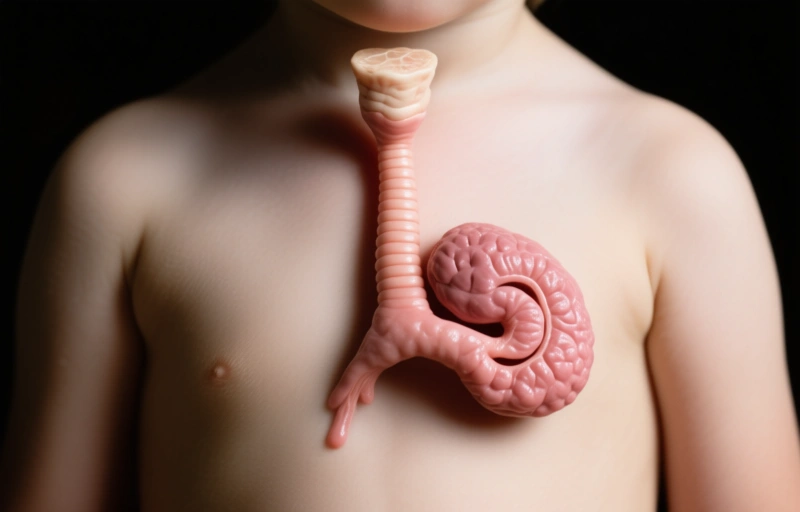
So, what's the function of this mysterious gland? It sits right behind your breastbone, about the size of a small fist in a child. Its main job is to produce and "educate" T-lymphocytes. These are the special forces of your immune system.
Here's how it works in simple terms:
- Immature T-cells travel from your bone marrow to the thymus.
- Inside, they undergo rigorous training to recognize specific markers.
- The thymus eliminates any T-cells that might attack your own body (autoimmunity).
- It only releases the properly trained, functional T-cells into your bloodstream.
It's a quality control center, ensuring your immune army is both powerful and precise. A failure here can lead to severe immune deficiencies or autoimmune disorders where the body attacks itself.
### The Aging Thymus and Your Health
Now, here's the catch. The thymus has a unique life cycle. It's most active during infancy and childhood, when you're building your immune memory. After puberty, it gradually starts to shrink and become less active in a process called thymic involution.
By the time you're in your 60s or 70s, much of your thymus tissue has been replaced by fat. This isn't just a curious fact—it has real consequences for your health as you age.
How does thymic involution affect immune health? Let's break it down:
- Your body produces fewer new, naive T-cells to fight novel pathogens.
- Your immune "repertoire" becomes less diverse, making you more susceptible to new infections.
- Vaccine responses can become weaker because your system has trouble generating new immune cells.
- The risk of autoimmune issues may increase as the thymus's filtering function declines.
It's one reason why older adults often have a tougher time with new viruses and may need different vaccine strategies. Your immune system is running on memory, with fewer fresh troops being trained.
### Can We Support Thymus Health?
This brings up a crucial question. If the thymus is so important, can we slow its decline or support its function? Research is ongoing, but some lifestyle factors appear to help.
Adequate nutrition is key. Deficiencies in zinc, vitamin D, and vitamin A can impair thymus function. Regular, moderate exercise seems to have a positive effect too. Chronic stress, on the other hand, can accelerate thymic atrophy through cortisol release.
Scientists are exploring more direct interventions, like thymus regeneration therapies or hormonal treatments. But for now, the basics—good nutrition, managing stress, and staying active—are your best bets for supporting this vital organ.
As one researcher put it, "We used to think of it as just a childhood organ. Now we understand it's a lifelong regulator of immune balance." That small gland behind your breastbone is working hard, even if you never think about it. Giving it the support it deserves might just be one of the smartest health investments you can make.