The Thymus: From Forgotten Organ to Health Powerhouse
Lisa Bos ·
Listen to this article~4 min

Long overlooked, the thymus gland is now recognized as vital for immune health. This small organ trains your T-cells to fight infections and disease. Discover why this 'forgotten' organ matters for your lifelong wellness.
You know how we all have that one drawer at home? The one where you toss random things and forget about them for years? For decades, medical science treated the thymus gland like that drawer—a biological afterthought tucked away in our chests. But here's the thing: we were wrong. This small, two-lobed organ behind your breastbone is actually a critical player in your immune system, and researchers are finally giving it the attention it deserves.
Let's talk about what the thymus actually does. Think of it as a boot camp for your body's elite defense force: T-cells. These white blood cells are your frontline warriors against infections, viruses, and even cancer cells. The thymus is where immature T-cells from your bone marrow go to get trained, tested, and deployed. Without a properly functioning thymus, your immune system would be like an army without basic training—disorganized and ineffective.
### What Happens in the Thymus?
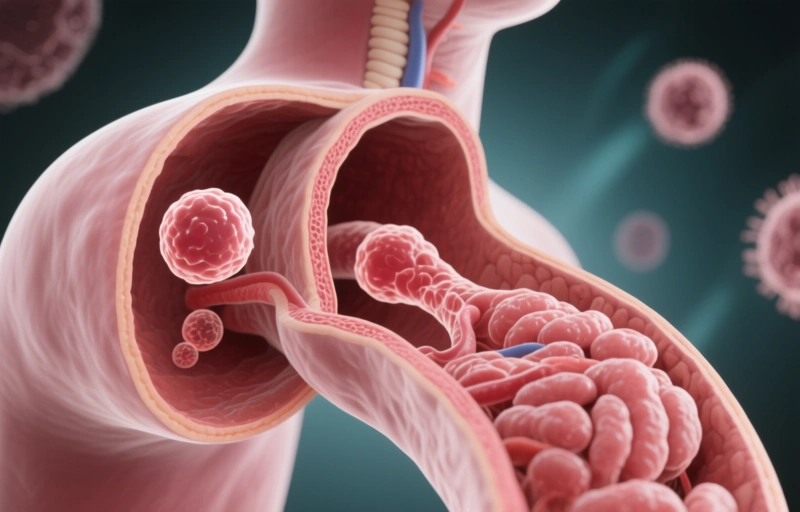
The process is fascinating. Immature T-cells enter the thymus and undergo rigorous "education." They learn to recognize the difference between your body's own cells (self) and foreign invaders (non-self). Cells that fail this training—either by being too weak or by mistakenly attacking your own tissues—are eliminated. Only the strongest, most competent T-cells graduate and enter your bloodstream. This entire process is crucial for developing what's called "immunological tolerance," which prevents autoimmune diseases.
### Why Was It Forgotten?
For years, the thymus was considered somewhat disposable, especially after childhood. It's largest and most active when we're young, starting to shrink (a process called involution) after puberty. By middle age, it's often mostly fatty tissue. Doctors once thought its job was done after childhood development. But recent research shows it remains active throughout life, just at a slower pace, and its health impacts our ability to fight infections as we age.
Here are three key reasons the thymus matters for your long-term health:
- **Fighting Infections:** A healthy thymus produces diverse T-cells ready to tackle new pathogens you encounter.
- **Cancer Surveillance:** Certain T-cells specifically hunt down and destroy cancerous cells before tumors form.
- **Vaccine Response:** The strength of your immune response to vaccines depends on having a robust population of well-trained T-cells.
### Supporting Your Thymus Health
You can't do targeted thymus exercises, but lifestyle choices significantly impact its function. Chronic stress is particularly damaging—cortisol, the stress hormone, directly shrinks thymus tissue. Getting enough sleep (7-9 hours for most adults), eating a balanced diet rich in zinc and vitamin C, and regular moderate exercise all support thymic health. As one researcher noted, "We're learning that supporting the thymus is foundational to maintaining immune resilience across the lifespan."
The shrinking size of the thymus with age is a major factor in immunosenescence—the gradual decline of immune function that makes older adults more susceptible to infections and less responsive to vaccines. Scientists are now exploring ways to potentially "rejuvenate" thymus function, which could revolutionize how we approach aging and immunity.
So next time you think about supporting your immune system, remember that little gland behind your breastbone. It's been working quietly in the background your whole life, training the cells that keep you healthy. It's not so forgotten anymore—and understanding its role might just be one of the most important things you do for your long-term wellness. After all, true health isn't just about fighting illness when it comes; it's about maintaining the systems that prevent it in the first place.