The Thymus: Your Body's Essential Immune System Organ
Lisa Bos ·
Listen to this article~4 min

Discover why the thymus, once considered disposable, is actually essential for your immune system. Learn how this small organ trains your T-cells and why it matters for lifelong health.
You've probably heard about the heart, lungs, and liver. But there's one small organ that doesn't get nearly enough attention, even though it's absolutely critical for your immune system. I'm talking about the thymus.
For years, even medical professionals considered it somewhat disposable. We knew it was there, tucked behind your breastbone, but we didn't fully grasp its importance. That's changing now, and the research is fascinating.
### What Exactly Is the Thymus?
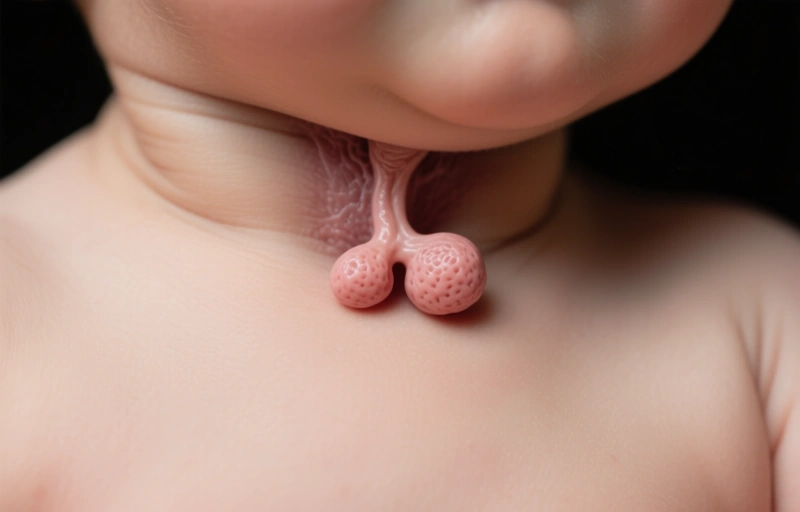
The thymus is a small, two-lobed gland that sits right behind your sternum. In infants and children, it's relatively large—about the size of a small fist. But here's the interesting part: as we age, it gradually shrinks and gets replaced by fatty tissue.
For the longest time, doctors thought this shrinkage meant the thymus became useless after childhood. We were wrong. New research shows it remains active throughout our lives, just in different ways.
### Why Your Thymus Matters More Than You Think
This little organ is essentially your body's "training school" for T-cells. These are the white blood cells that coordinate your immune response. Without a properly functioning thymus, your body can't produce the specialized T-cells needed to fight infections and diseases.
Think of it this way: if your immune system were an army, the thymus would be the boot camp where soldiers learn to distinguish friend from foe. This training prevents your immune system from attacking your own body—which is what happens in autoimmune conditions.
Recent studies have revealed some surprising connections:
- Thymus function affects how we respond to vaccines
- It plays a role in cancer immunity
- Thymus health might influence how we age
- It could be key to understanding certain autoimmune disorders
### Can You Support Your Thymus Health?
While we can't directly "exercise" our thymus like we can our muscles, there are lifestyle factors that appear to support its function. Good nutrition is crucial—specifically getting enough zinc, vitamin C, and vitamin D. These nutrients help maintain thymus structure and function.
Stress management matters too. Chronic stress appears to accelerate thymus shrinkage. Getting enough sleep, regular moderate exercise, and maintaining a healthy weight all contribute to overall immune health, which includes your thymus.
One researcher I spoke with put it perfectly: "We used to think the thymus retired after puberty. Now we understand it's more like shifting from full-time to part-time work—but that part-time work is still essential."
### The Future of Thymus Research
Scientists are now exploring whether we can actually regenerate or rejuvenate thymus function. This could have huge implications for aging populations and people with compromised immune systems. Imagine being able to boost your immune system's "training program" as you get older.
There's also exciting work being done on thymus transplants for babies born without a functioning thymus. These procedures are giving children a chance at normal immune function when they wouldn't have survived otherwise.
What I find most compelling is how this changes our understanding of the body. We're learning that organs we once considered unimportant often have subtle but vital roles. The thymus reminds us that in medicine, as in life, sometimes the quietest players make the biggest difference.
So next time you think about your health, remember that little gland behind your breastbone. It's working hard to keep your immune system smart, balanced, and ready for whatever comes its way. And that's something worth appreciating.