Struggling with Constipation? A Doctor's Simple Toilet Tip
Lisa Bos ·
Listen to this article~4 min

Struggling with constipation? A gastroenterologist shares a simple toilet tip that can make a big difference: use a footstool and never ignore your body's signals. Learn how small changes to your bathroom routine can improve digestive comfort.
Let's talk about something we all experience but rarely discuss openly: our bathroom habits. If you're dealing with difficult bowel movements, you're not alone. It's a common issue that can really impact your day-to-day comfort and overall health.
I recently came across some practical advice from a gastroenterologist that's too good not to share. It's one of those simple changes that can make a world of difference.
### The Footstool Solution
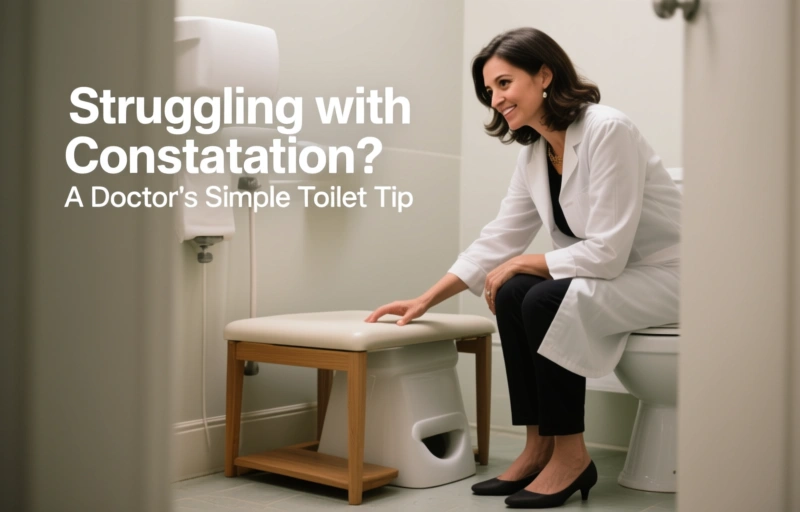
One of the most straightforward tips for improving your bathroom experience involves a simple piece of furniture. Dr. Magali Surmont, a specialist in digestive health, recommends keeping a small footstool next to your toilet. This isn't about interior design—it's about anatomy.
When you elevate your feet about 7-8 inches off the ground while sitting on the toilet, you change the angle of your colon. This position, often called the "squatting position," helps straighten the rectum and relaxes the puborectalis muscle that normally keeps things closed off. Think of it like straightening a kinked garden hose to let water flow more freely.
### Why You Should Never Ignore the Urge
Here's the other crucial piece of advice from Dr. Surmont: never ignore your body's signals when it's time to go. When you feel that urge, your body is telling you it's ready. Delaying can lead to harder stools and more difficulty later on.
Your digestive system operates on natural rhythms, and disrupting those rhythms can create problems. It's like hitting the snooze button on an alarm—eventually, you might sleep right through it.
### Building Better Bathroom Habits
Creating a consistent routine can help train your digestive system. Try these simple strategies:
- Set aside time each morning after breakfast when your body is naturally primed for elimination
- Stay hydrated throughout the day—aim for about half your body weight in ounces of water
- Incorporate fiber-rich foods like berries, avocados, and whole grains
- Move your body regularly, even just a 15-minute walk after meals
Remember that what's normal varies from person to person. Some people go three times a day, others three times a week. What matters more is consistency and comfort.
### When to Seek Professional Help
While lifestyle changes can help many people, sometimes constipation signals something more serious. You should consider consulting a healthcare provider if you experience:
- Sudden changes in bowel habits that last more than a few weeks
- Blood in your stool
- Unexplained weight loss
- Severe abdominal pain
- Constipation that doesn't respond to dietary and lifestyle changes
These could be signs of underlying conditions that need proper diagnosis and treatment.
### The Mind-Gut Connection
Don't underestimate how stress affects your digestion. Your gut has been called your "second brain" for good reason—it contains millions of neurons and produces many of the same neurotransmitters as your brain. When you're stressed or anxious, your digestive system often feels it first.
Taking a few deep breaths before and during your bathroom time can actually help. It signals your nervous system to shift from "fight or flight" to "rest and digest" mode.
As Dr. Surmont emphasizes, paying attention to your body's signals and creating the right physical conditions can transform your bathroom experience from a struggle to a simple, natural process. Sometimes the smallest adjustments—like adding a footstool to your bathroom routine—can solve problems you've been dealing with for years.
Your digestive health is worth that little bit of attention. After all, when your gut is happy, you're more likely to feel happy too.