Stroke Risk: 1 in 4 Adults Face This Threat - Know the Signs
Lisa Bos ·
Listen to this article~5 min

1 in 4 adults over 25 will experience a stroke. Learn to recognize the warning signs with the FAST method and discover how lifestyle changes can significantly reduce your risk.
You might think strokes only happen to older people, but the numbers tell a different story. Recent data suggests that 1 in 4 adults over 25 will experience a stroke in their lifetime. That's a sobering statistic, isn't it? It means this isn't just something that happens to 'other people' – it could affect you, your friends, or your family members.
Just look at soccer legend Juan Lozano, who experienced a stroke at 70. His story reminds us that strokes don't discriminate based on age or fitness level. They can happen to anyone, which is why knowing the warning signs is absolutely crucial.
### What Exactly Is a Stroke?
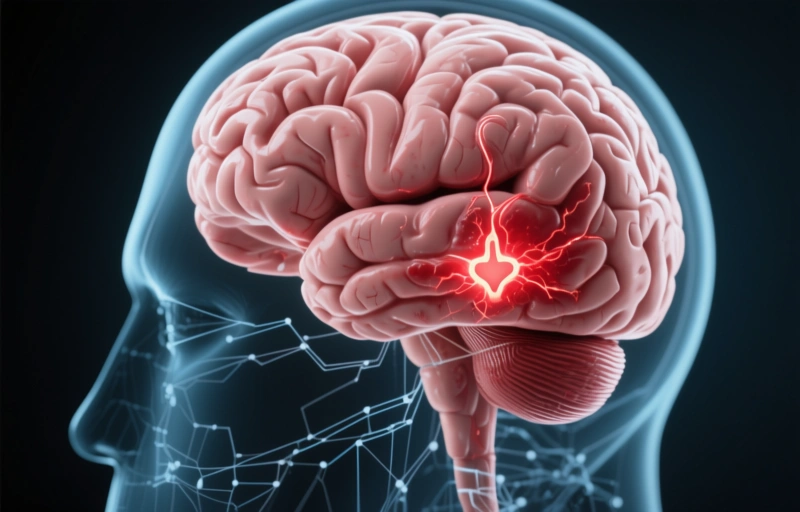
Think of your brain like a complex computer network. A stroke occurs when the blood supply to part of your brain gets interrupted or reduced. When brain tissue doesn't get enough oxygen and nutrients, brain cells begin to die within minutes. That's why time is so critical – every second counts when someone's having a stroke.
There are two main types of strokes. Ischemic strokes happen when blood vessels become blocked, usually by a clot. Hemorrhagic strokes occur when a blood vessel in the brain leaks or ruptures. Both are medical emergencies requiring immediate attention.
### Recognizing the Warning Signs
Knowing what to look for could save a life. The American Stroke Association uses the acronym FAST to help people remember the most common symptoms:
- **F**ace drooping: Does one side of the face droop or feel numb? Ask the person to smile – is it uneven?
- **A**rm weakness: Is one arm weak or numb? Ask them to raise both arms – does one drift downward?
- **S**peech difficulty: Is speech slurred or hard to understand? Can they repeat a simple sentence correctly?
- **T**ime to call 911: If you notice any of these signs, call emergency services immediately.
But there are other symptoms too. Sudden confusion, trouble seeing in one or both eyes, difficulty walking, dizziness, or a severe headache with no known cause – these all warrant immediate medical attention.
### Why Younger Adults Are at Risk
You might wonder why strokes affect people in their 20s, 30s, and 40s. Lifestyle factors play a huge role. High blood pressure, smoking, obesity, diabetes, and high cholesterol all increase stroke risk. Sedentary lifestyles and poor diets don't help either.
Stress is another big factor. Chronic stress can raise blood pressure and contribute to inflammation in the body. Combine that with poor sleep habits, and you've got a recipe for trouble. The good news? Many of these risk factors are within your control.
### Prevention Is Possible
Here's the hopeful part – up to 80% of strokes are preventable. Small changes can make a big difference. Regular exercise, even just 30 minutes most days, can significantly reduce your risk. Eating more fruits, vegetables, and whole grains while cutting back on processed foods helps too.
Monitoring your blood pressure is crucial. High blood pressure often has no symptoms, so regular check-ups are essential. If you smoke, quitting is one of the best things you can do for your stroke risk. Managing stress through meditation, hobbies, or talking to someone can also help protect your brain health.
Remember what one neurologist told me: 'Your brain is the most important organ you have. Protecting it should be your top health priority.' That really stuck with me.
### What to Do If You Suspect a Stroke
If you think someone might be having a stroke, don't wait. Call 911 immediately. Note the time when symptoms first appeared – this information helps medical professionals determine the best treatment. Don't drive the person to the hospital yourself – emergency medical services can begin treatment on the way.
While waiting for help, keep the person calm and comfortable. Loosen any tight clothing. If they're conscious, have them lie down with their head slightly elevated. Don't give them anything to eat or drink, as stroke can affect swallowing ability.
The bottom line? Strokes are common, but they're not inevitable. By understanding your risk, recognizing the signs, and making healthy lifestyle choices, you're taking powerful steps to protect yourself and those you care about.