Social Media's Mental Health Impact: Living vs. Surviving
Lisa Bos ·
Listen to this article~4 min
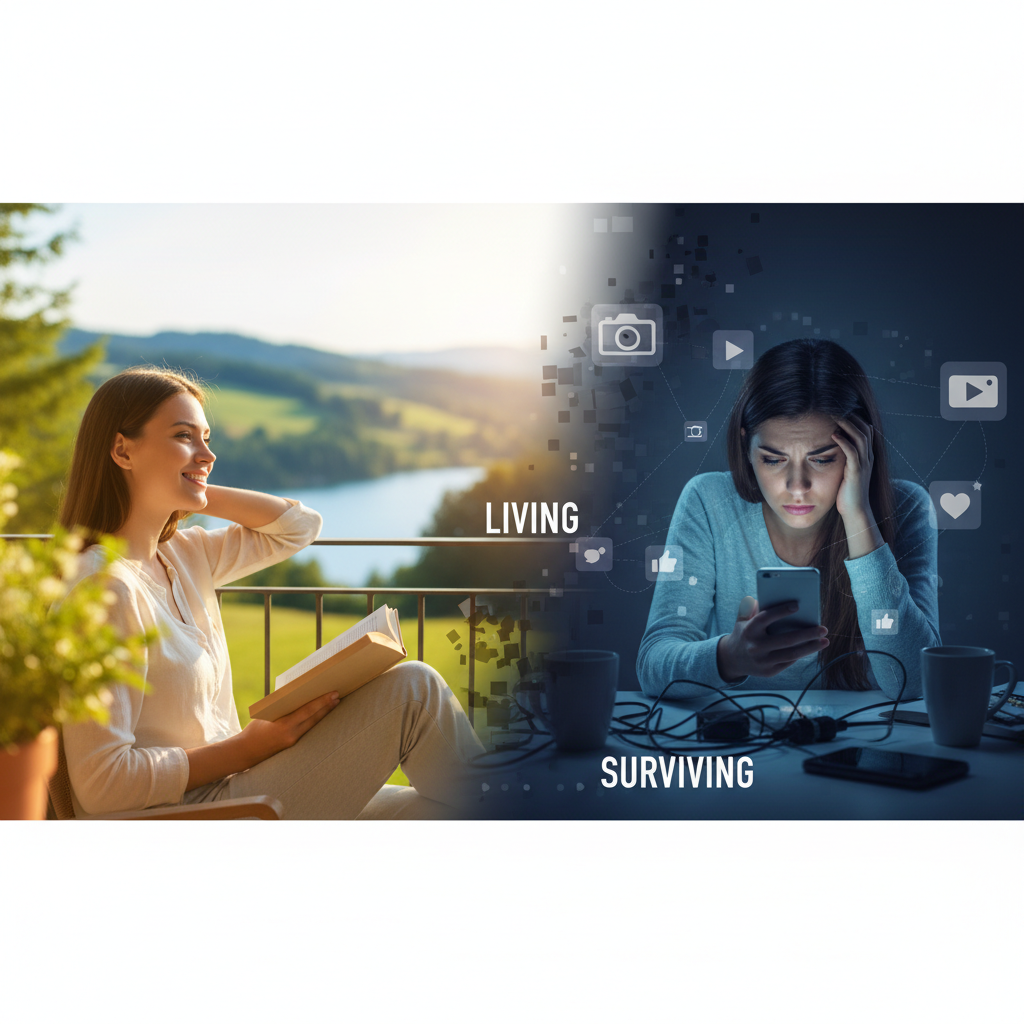
Explore the critical question of social media's impact on mental health: Are we living with it or just surviving? Learn strategies for mindful engagement.
We scroll, we like, we share, and we compare. It's become second nature, hasn't it? But somewhere between the curated feeds and the endless notifications, a crucial question has emerged: Are we truly living with social media, or are we just surviving it? That's the powerful conversation being sparked by experts in the wellness space, moving beyond simple screen-time warnings to explore the deeper psychological effects of our digital lives.
It's not about declaring social media inherently bad. Let's be real—it connects us to friends, family, and communities we'd otherwise lose touch with. The problem starts when the connection feels hollow, when the highlight reels of others' lives make our own daily grind seem inadequate. That constant, low-grade comparison can be exhausting. You know the feeling—you put your phone down after a long scroll and just feel... drained.
### The Pressure of the Perfect Post
Think about the mental energy that goes into crafting a single post. Is this photo flattering? Is this caption clever enough? Will people think my life is interesting? We're performing a version of ourselves, and that performance takes a toll. It creates a gap between our authentic experience and the polished one we present online. Over time, that gap can fuel anxiety and chip away at our self-esteem. We start measuring our worth in likes and comments, which is a shaky foundation for anyone's mental health.
### Strategies for Healthier Digital Habits
So, what can we do? Throwing your phone in the river isn't a practical solution for most of us. The goal is mindful engagement, not complete avoidance. Here are a few places to start:
- **Audit your feed.** Be ruthless. If an account consistently makes you feel jealous, angry, or less-than, mute or unfollow it. Your feed should inspire or inform you, not bring you down.
- **Set physical boundaries.** Designate phone-free zones in your home, like the dinner table or the bedroom. Try charging your phone in another room at night.
- **Schedule your scrolling.** Instead of reaching for your phone every time there's a lull, give yourself two or three 15-minute windows a day to check in. You'll be amazed at how much time and mental space you reclaim.
As one wellness advocate recently put it during a public discussion, *"The goal isn't to log off forever, but to log on with intention. We have to ask ourselves: Is this tool serving me, or am I serving it?"* That's the heart of the matter. It's about shifting from passive consumption to active choice.
This conversation is happening in community centers, therapy offices, and yes, even on social media itself. People are craving real talk about the emotional side effects of our connected world. They want strategies that go beyond "just use it less" and delve into how to use it better—how to protect their peace while still participating in the digital landscape. The path forward isn't about rejection, but about renegotiating our relationship with these powerful platforms. It's about choosing to live with them, not just survive them.