Sharks Test Positive for Drugs in Bahamas Waters
Lisa Bos ·
Listen to this article~4 min
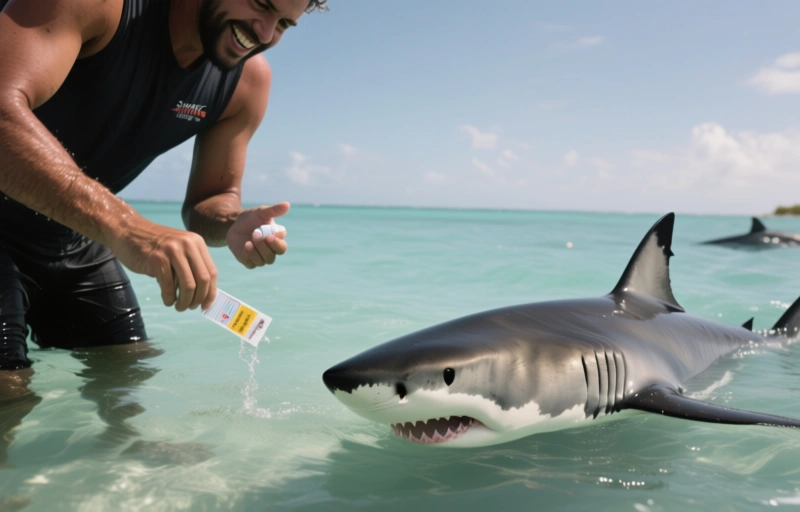
After similar findings in Brazil, sharks in Bahamas waters are testing positive for drugs, revealing how human pharmaceuticals and waste are infiltrating marine ecosystems through sewage runoff.
You might think you've heard it all when it comes to ocean pollution, but here's a story that really makes you pause. After similar findings off the coast of Brazil, sharks in the crystal-clear waters of the Bahamas are now testing positive for drugs. It's a startling discovery that raises more questions than it answers about what's happening beneath the surface.
This isn't about sharks getting a buzz. It's a serious indicator of how human activity and waste are infiltrating marine ecosystems in ways we're only beginning to understand. The substances detected point directly back to us—to our consumption, our waste systems, and our impact on the natural world.
### What Does This Discovery Actually Mean?
When researchers talk about sharks testing positive, they're referring to trace amounts of pharmaceuticals and illicit substances found in their systems. These chemicals enter the water through sewage runoff and improper waste disposal. Sharks, as apex predators, accumulate these compounds over time through their diet, a process called bioaccumulation.
The real concern isn't about creating 'drugged-up' sharks. It's about the subtle, long-term effects these substances might have on marine life. We're talking about potential changes in behavior, reproductive issues, and overall health impacts that could ripple through entire ocean ecosystems.
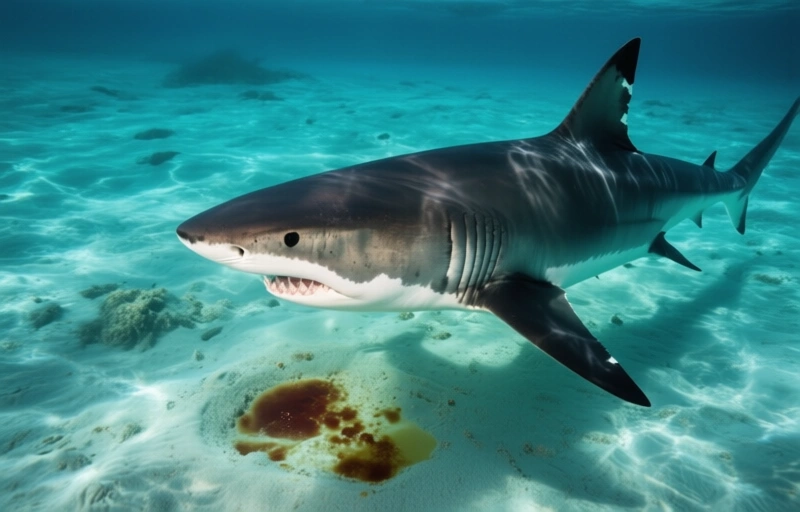
### How Do Drugs End Up in Ocean Predators?
It's a surprisingly straightforward path from our medicine cabinets to a shark's bloodstream:
- Pharmaceuticals flushed down toilets or excreted by humans pass through wastewater treatment plants that aren't designed to filter them all out
- Street drugs and their metabolites enter sewage systems through similar pathways
- This contaminated water eventually reaches rivers and coastal areas
- Small marine organisms absorb these micro-contaminants
- Larger fish eat those organisms, and sharks eat those fish, concentrating the chemicals at each step
As one marine biologist recently noted, "We are essentially medicating our oceans without a prescription." The scale of this issue is global, and the Bahamas findings are just the latest red flag.
### Why Should We Care About This?
You might wonder why this matters if you don't swim with sharks. Here's the thing—this isn't just about sharks. It's about the entire marine food web that we depend on. Consider these points:
- Many communities rely on fishing for food and livelihood
- Healthy oceans regulate our climate and produce much of our oxygen
- Contaminants in marine life can eventually make their way to our dinner plates
- The same water systems that affect sharks eventually cycle back to affect human health
This discovery in the Bahamas serves as a wake-up call about how interconnected our lives are with the ocean's health. What we put into our water systems doesn't just disappear—it circulates, accumulates, and comes back to us in unexpected ways.
### What Can Be Done About It?
The solution isn't simple, but awareness is the first step. Proper disposal of medications through take-back programs instead of flushing them makes a difference. Supporting improved wastewater treatment infrastructure helps. Even being mindful about what chemicals we use in our homes and gardens can reduce what ends up in our water.
Research like this gives scientists crucial data to advocate for better policies and technologies. It reminds us that protecting ocean health isn't just about saving charismatic species—it's about preserving the delicate balance that supports all life, including our own.
The next time you look out at the ocean, remember that it's not as separate from our daily lives as it might seem. The choices we make on land—what we consume, how we dispose of waste, what policies we support—all eventually wash out to sea. And sometimes, they come back to us in the most unexpected forms, like trace pharmaceuticals in a shark's bloodstream thousands of miles away.