Sepsis Survivor Helps Others Return to Work: 'We Can Still Do So Much'
Lisa Bos ·
Listen to this article~4 min
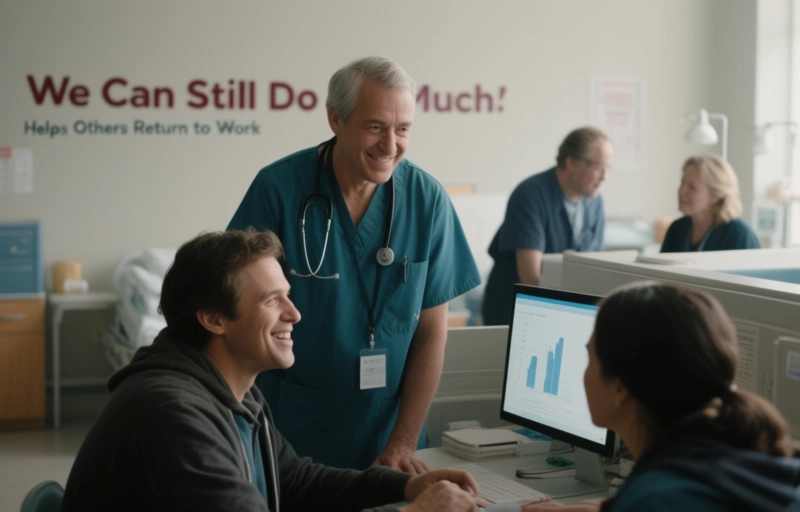
Sepsis survivor Marc Thijs shares his mission to help others return to work after life-threatening illness. Discover practical steps for recovery and workplace reentry.
### A Survivor's Mission to Change the Narrative
When Marc Thijs survived sepsis, he didn't just count his blessings and move on. He turned his second chance into a mission. His goal? To help fellow sepsis survivors find their way back to the workplace. And his message is simple but powerful: "We can still do so much."
Sepsis is a life-threatening condition that happens when your body's response to an infection damages its own tissues. It's more common than you might think, and for those who survive, the aftermath can be brutal. Fatigue, brain fog, and physical limitations are just the start. But Marc refuses to let that be the end of the story.
### The Hidden Struggle After Sepsis
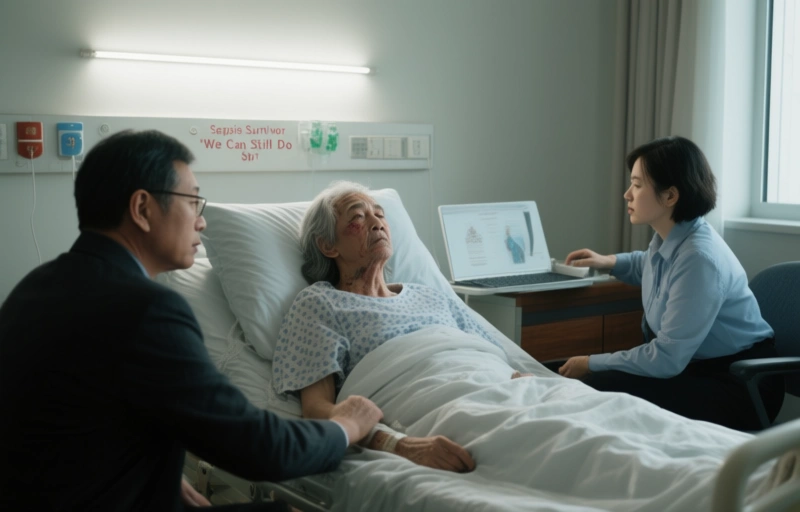
Most people think surviving sepsis is the hard part. But for many survivors, the real challenge begins after they leave the hospital. The lingering effects can make returning to work feel impossible.
- Chronic fatigue that makes a full day feel like a marathon
- Cognitive issues like memory lapses and trouble concentrating
- Physical weakness that limits what you can do
- Emotional struggles, including anxiety and depression
These aren't just minor setbacks. They're real, daily battles. And without proper support, many survivors end up on disability or leave the workforce entirely. Marc wants to change that.
### Why Returning to Work Matters
Work isn't just about a paycheck. For many people, it's tied to identity, purpose, and social connection. Losing that can feel like losing a part of yourself.
Marc understands this deeply. As a sepsis survivor himself, he knows what it's like to wonder if you'll ever be able to contribute again. But he also knows that with the right strategies, accommodations, and mindset, many survivors can find meaningful work again.
### Practical Steps for Survivors and Employers
If you're a survivor or an employer looking to support one, here are some actionable steps that can make a real difference:
- **Start small.** Returning to work doesn't have to be full-time right away. Part-time hours or modified duties can ease the transition.
- **Communicate openly.** Survivors need to feel safe discussing their limitations without fear of judgment or losing their job.
- **Focus on strengths.** Instead of dwelling on what's been lost, identify what skills and abilities remain intact.
- **Create a supportive environment.** Simple accommodations like flexible schedules, rest breaks, or quieter workspaces can be game-changers.
### A Call to Action for the Healthcare System
Marc's story also highlights a gap in our healthcare system. Many sepsis survivors leave the hospital without a clear plan for recovery, especially when it comes to returning to work. Rehabilitation programs often focus on physical recovery but overlook the cognitive and emotional challenges.
That's why advocacy matters. Survivors, healthcare providers, and employers need to work together to build better support systems. It's not just about helping people get back to work. It's about helping them rebuild their lives.
### You're Not Alone
If you're a sepsis survivor struggling to return to work, know that you're not alone. And you're not broken. Your journey might look different than before, but that doesn't mean it's over.
Marc Thijs is living proof that recovery is possible. And he's dedicated to helping others see that too. With the right support, accommodations, and a whole lot of determination, survivors can find their way back to meaningful work.
Because the truth is, we can still do so much.