Senior Walking Groups: Fighting Loneliness and Boosting Health Together
Lisa Bos ·
Listen to this article~4 min
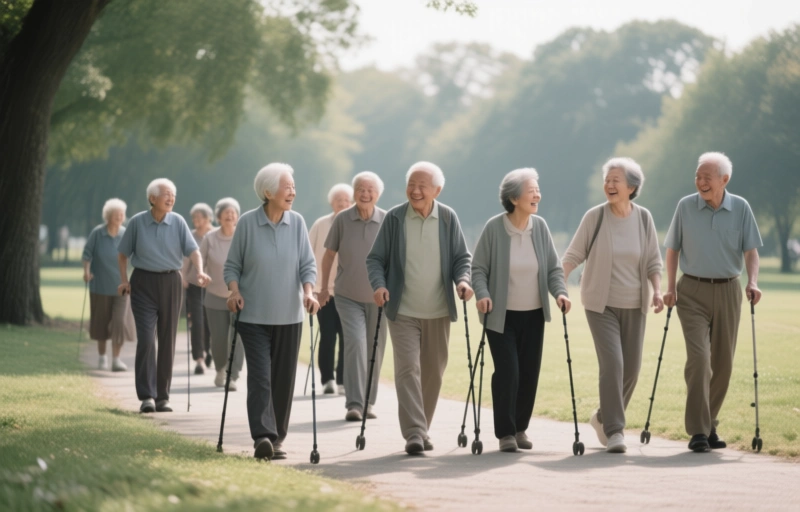
Learn how senior walking groups are combating loneliness and improving health. Discover the physical, mental, and social benefits of walking together, plus tips to start your own group.
Loneliness among seniors is a growing crisis. It creeps in quietly, stealing joy and even impacting physical health. But in one community, a simple solution is making a big difference: walking together.
This isn't just about exercise. It's about connection. When seniors step out the door and join a group, they're not just moving their bodies. They're rebuilding social ties, finding purpose, and rediscovering the world outside their homes.
### The Hidden Epidemic of Senior Isolation
Did you know that chronic loneliness can be as damaging as smoking 15 cigarettes a day? It's true. For older adults, feeling disconnected raises the risk of heart disease, depression, and cognitive decline.
Many seniors stop leaving their homes because they lack a reason or a companion. One participant in a walking group put it simply: "I didn't go outside anymore." That's a powerful statement. It shows how isolation can become a self-reinforcing cycle.
Walking groups break that cycle. They offer a low-barrier way to get out, meet people, and feel part of something again.
### Why Walking Works for Seniors
Walking is one of the safest and most accessible forms of exercise for older adults. It's gentle on the joints, requires no special equipment, and can be done at any pace.
Here are some key benefits for seniors:
- **Physical health:** Regular walks improve cardiovascular fitness, strengthen bones, and help maintain a healthy weight. Just 30 minutes a day can lower blood pressure and reduce the risk of type 2 diabetes.
- **Mental well-being:** Walking releases endorphins, the body's natural mood lifters. It also reduces stress and anxiety. The social aspect adds another layer of emotional support.
- **Cognitive function:** Studies show that regular physical activity, including walking, can slow cognitive decline and lower the risk of dementia.
- **Social connection:** Group walks create natural opportunities for conversation. They help seniors build new friendships and feel part of a community.
### A Simple Model That Scales
The beauty of senior walking groups is their simplicity. No fancy gym memberships or expensive equipment. Just a designated meeting spot, a regular schedule, and a willingness to show up.
Organizers often start small. A local park or a quiet neighborhood street works perfectly. As the group grows, members may take turns leading the walk or choosing the route.
Some groups also incorporate light stretching before or after the walk. This adds value without making the activity feel complicated or intimidating.
### How to Start or Join a Walking Group
If you're a senior or caring for one, here are some practical steps:
- **Check local community centers, churches, or senior centers.** Many already host walking groups or can help you start one.
- **Use social media or local bulletin boards.** A simple post can attract neighbors who are looking for the same thing.
- **Start with just one or two people.** You don't need a big group to get the benefits. Even a walking buddy can make a difference.
- **Choose safe, flat routes.** Avoid areas with heavy traffic or uneven pavement. Accessibility matters.
- **Set a regular time.** Consistency helps turn walking into a habit.
> "I didn't go outside anymore. Now I look forward to these walks every week." - Walking group participant
### The Bigger Picture
Senior walking groups are more than a feel-good story. They're a proven strategy for improving public health at the community level. When seniors stay active and connected, everyone benefits. Families worry less. Healthcare costs go down. And neighborhoods become friendlier places to live.
If you or someone you know could use a reason to step outside, consider starting or joining a walking group. It might just change a life.
*This article is for informational purposes only and does not constitute medical advice. Always consult with a healthcare provider before starting a new exercise program.*