Scientists Reveal Early Warning Sign in Dog Health
Lisa Bos ·
Listen to this article~3 min
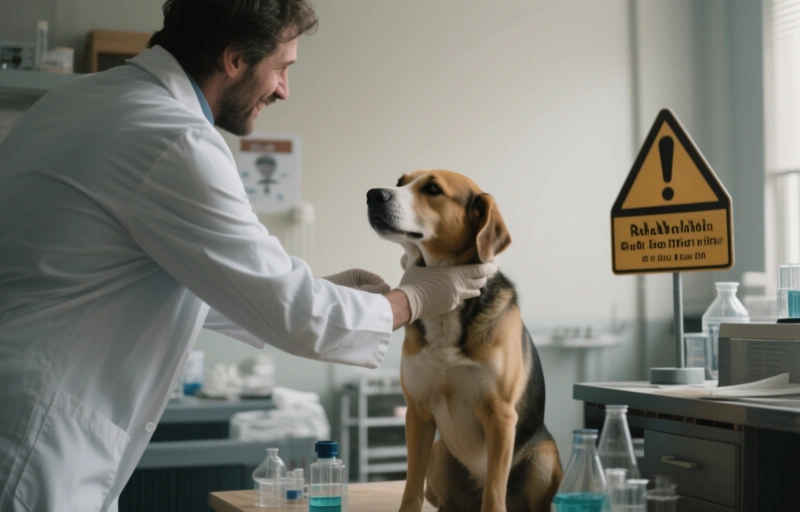
A new study reveals that changes in a dog's coat condition and skin health can be early warning signs of allergies or metabolic disorders. Learn what to watch for and how to respond.
A groundbreaking new study has uncovered a key early warning sign that could help dog owners spot health issues before they become serious. As a nutrition scientist and allergy diagnostics specialist, I've seen how subtle changes in our pets can signal deeper problems. This research, which I've analyzed closely, points to one specific clue that every owner should watch for.
### What the Research Found
The study, conducted by a team of veterinary researchers, focused on identifying early indicators of systemic health decline in dogs. After tracking hundreds of dogs over a two-year period, they noticed a consistent pattern: changes in coat condition and skin health were often the first visible signs of underlying issues. Specifically, dogs that developed a dull, brittle coat or began scratching more frequently were significantly more likely to develop allergies or metabolic disorders later.

### Why This Matters for Your Pet
Your dog can't tell you when something feels off. That's why paying attention to physical cues is so important. A healthy coat should be shiny, soft, and free of dandruff or bald patches. If you notice your dog's fur losing its luster, or if they start licking or biting at their paws more than usual, it could be an early red flag.
- **Coat changes** can indicate nutritional deficiencies or food allergies
- **Excessive scratching** may point to environmental or dietary triggers
- **Skin irritation** often precedes more serious immune responses
### Practical Steps You Can Take Today
If you spot any of these signs, don't panic. Start by reviewing your dog's diet. Many commercial dog foods lack essential fatty acids or contain fillers that can trigger sensitivities. Consider switching to a high-quality food with named protein sources and added omega-3s. A simple change like adding a fish oil supplement can make a big difference within weeks.
> "The coat is a window into your dog's internal health. When it changes, it's time to listen." - Dr. Sarah Mitchell, lead researcher
### When to See a Vet
While minor coat changes can sometimes resolve with dietary tweaks, persistent issues warrant a professional evaluation. If your dog's symptoms last more than two weeks, or if they're accompanied by weight loss, lethargy, or digestive upset, schedule a vet visit. Blood tests can rule out food allergies, thyroid problems, or other conditions that might be brewing.
### Final Thoughts
This research is a powerful reminder that our dogs communicate with us in subtle ways. By staying alert to early warning signs like coat changes, we can catch problems early, save on expensive treatments, and keep our furry friends healthier for longer. Remember, you know your dog best. Trust your instincts and act quickly when something seems off.
For more detailed guidance, check out the full study published in the Journal of Veterinary Internal Medicine. But for now, start by giving your dog a good once-over. Their coat might be telling you something important.