Rising Blood Pressure in Kids: 6 Cardiologist Insights
Lisa Bos ·
Listen to this article~4 min

High blood pressure is rising in children, but you can take action. Learn 6 insights from a cardiologist on causes, risks, and simple lifestyle changes to protect your child's heart health.
It's alarming, but true: high blood pressure in children is on the rise. We're seeing more kids than ever with numbers that belong to adults. A cardiologist recently shared six key insights that every parent should understand. Let's break them down simply.
### Why Is This Happening?
The biggest culprit? Our modern lifestyle. Kids are spending more time sedentary—think hours glued to screens—and less time running around outside. Combine that with diets high in processed foods and salt, and you've got a recipe for trouble. Even a few extra pounds can push a child's blood pressure up.
But it's not just about weight. Genetics play a role too. If you or your partner have high blood pressure, your child may be more prone to it. Stress, believe it or not, also factors in. School pressure, social dynamics, and even lack of sleep can all contribute.
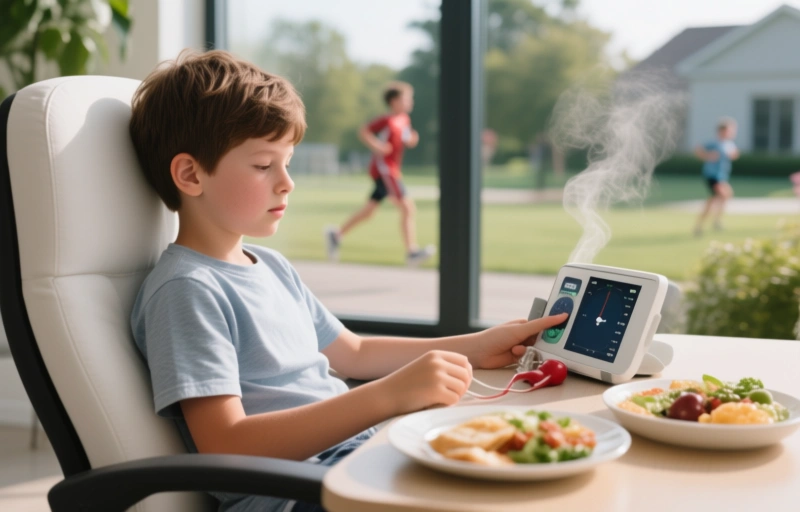
### What the Numbers Really Mean
Blood pressure readings for kids aren't one-size-fits-all. Doctors use charts that factor in age, sex, and height. A number that's normal for one child might be high for another. Your pediatrician will compare your child's reading to these standards.
- **Normal**: Below the 90th percentile for their group
- **Elevated**: Between the 90th and 95th percentile
- **Stage 1 Hypertension**: At or above the 95th percentile
- **Stage 2 Hypertension**: Well above the 95th percentile
If your child's reading is elevated, don't panic. One high reading doesn't mean they have hypertension. Doctors usually take multiple readings over time before making a diagnosis.
### The Silent Threat
Here's the scary part: high blood pressure often has no symptoms. Kids don't complain about it. They don't feel dizzy or have headaches. That's why it's called the silent killer. Regular check-ups are your best defense.
A cardiologist once told me, "We can't rely on how a child feels. We have to measure." So make sure your child gets their blood pressure checked at every well visit, starting at age three.
### Simple Changes That Work
The good news is that lifestyle changes are incredibly effective. You don't need medication for most kids. Start with these steps:
- Cut back on salty snacks like chips and fast food
- Encourage at least 60 minutes of active play each day
- Limit screen time to two hours or less
- Serve more fruits and vegetables at meals
- Make sure they get enough sleep—9 to 12 hours for school-age kids
Small adjustments add up. A family walk after dinner, swapping soda for water, or trying a new sport together can make a real difference.
### When to See a Specialist
Most pediatricians can manage mild cases. But if your child's blood pressure stays high despite lifestyle changes, or if it's very high from the start, you may need a cardiologist. They can run tests to rule out underlying causes like kidney issues or heart defects.
Don't wait. Early intervention is key. Untreated hypertension in childhood can lead to heart damage, kidney problems, and even stroke later in life.
> "The habits we build in childhood often stick with us for life. That's why addressing blood pressure early is so important." — Pediatric Cardiologist
### The Bottom Line
Rising blood pressure in kids is a wake-up call. But it's also an opportunity. By making small, consistent changes, you can protect your child's heart for years to come. Talk to your pediatrician, get those readings checked, and start building healthier habits today.
Your child's future self will thank you.
*This article is based on insights shared by a cardiologist. For personalized advice, always consult your child's doctor.*