Recognizing Parkinson's: Zita Wauters Raises Awareness
Lisa Bos ·
Listen to this article~3 min
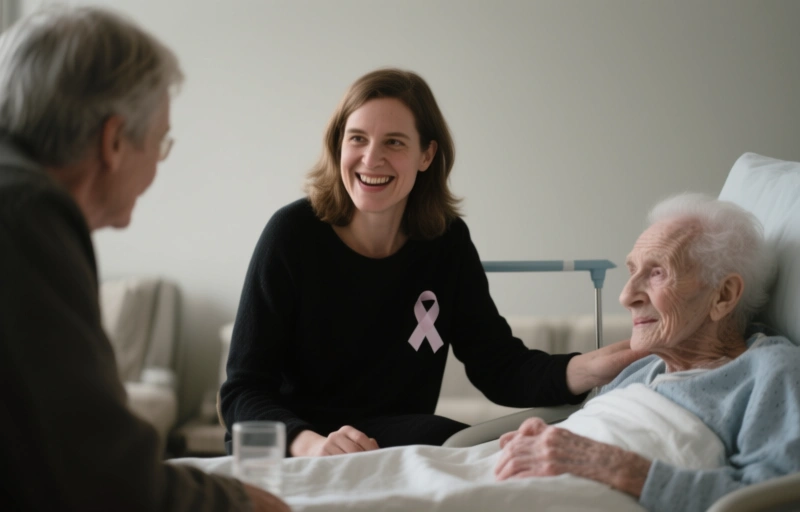
Zita Wauters shares her personal experience with Parkinson's disease, highlighting early signs and the importance of awareness. Learn how to recognize symptoms and take action for better health.
Zita Wauters recently opened up about a deeply personal struggle, and her words have sparked a crucial conversation about Parkinson's disease. She said, "I've seen how difficult that fight is." Her honesty shines a light on a condition that affects millions, yet remains widely misunderstood.
### What Is Parkinson's Disease?
Parkinson's is a progressive neurological disorder that primarily impacts movement. It happens when nerve cells in the brain that produce dopamine start to break down. Dopamine is the chemical that helps control smooth, coordinated movements. Without enough of it, the brain can't send the right signals to the body.
This isn't just about getting older or feeling a bit shaky. It's a real, physical disease that changes lives. And it's more common than many realize.
### Early Signs You Shouldn't Ignore
Spotting Parkinson's early can make a huge difference in managing symptoms. Here are some of the most common early signs:
- **Tremors**: A slight shaking in your hand, finger, or chin, even when you're resting.
- **Stiffness**: Muscles that feel tight or rigid, making it hard to move freely.
- **Slowness**: Movements become slower, and simple tasks take longer.
- **Balance problems**: You might feel unsteady or have trouble standing up straight.
- **Changes in handwriting**: Your writing may become smaller or more cramped.
- **Loss of smell**: Noticing you can't smell certain foods or scents as well.
These symptoms don't all appear at once, and they can be subtle at first. That's why many people brush them off as normal aging or stress.
### Why Zita's Story Matters
When someone like Zita Wauters shares her experience, it does more than just inform. It creates empathy. It reminds us that behind every diagnosis is a real person fighting a daily battle. Her courage encourages others to speak up, ask questions, and seek help without shame.
Parkinson's doesn't just affect the person with the disease. It impacts families, friends, and caregivers too. Recognizing the struggle is the first step toward building a more supportive community.
### How to Take Action
If you or someone you know shows any of these signs, don't wait. Talk to a doctor. There's no single test for Parkinson's, but a neurologist can evaluate symptoms and run specific assessments. Early diagnosis opens the door to treatments that can improve quality of life.
- Keep a journal of symptoms to share with your healthcare provider.
- Ask about medications that help manage tremors and stiffness.
- Explore physical therapy to maintain strength and balance.
- Connect with support groups for emotional and practical advice.
### The Bigger Picture
Parkinson's research is advancing every day. New therapies, including deep brain stimulation and targeted medications, offer hope. But awareness is just as important. When we talk openly about conditions like this, we reduce stigma and encourage early action.
Zita's message is clear: this fight is real, and it's hard. But with understanding and support, no one has to face it alone.