Radboudumc Staff Face Tough Wait Despite Negative Blood Tests
Lisa Bos ·
Listen to this article~3 min
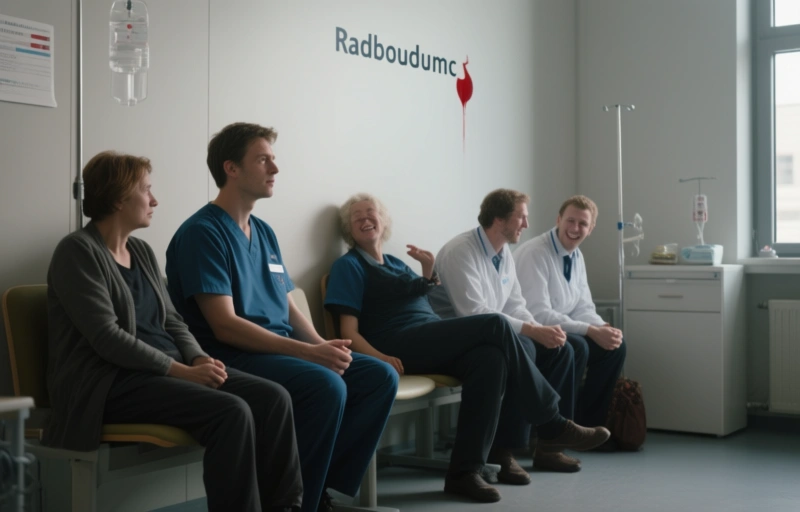
A Radboudumc study found no virus in staff blood, but many face a tough wait. Learn why negative tests don't always mean you're safe and how to stay informed.
A recent study from Radboudumc has delivered some mixed news. While no virus was found in the blood of hospital staff, many are still bracing for a challenging period ahead. Let's break down what this means and why a negative test doesn't always mean the coast is clear.
### The Study's Key Finding
Researchers tested blood samples from Radboudumc personnel, looking for traces of the virus. The good news? None of the samples came back positive. That's a relief, no doubt. But here's the tricky part: a negative blood test doesn't always rule out infection.
Think of it like checking a room for smoke. If you don't see smoke, it doesn't mean there wasn't a fire earlier. The virus might have come and gone before the test was taken. Or it could be hiding in parts of the body the test doesn't check.
### Why the Wait Is Still Hard
Even with negative results, staff are facing a tough road. Here's why:
- Symptoms can show up days or weeks after exposure
- Some people carry the virus without ever feeling sick
- False negatives can happen, especially early in infection
- Stress and uncertainty take a toll on mental health
The hospital is taking extra precautions, but that doesn't make the waiting game any easier.
### What This Means for You
This study is a reminder that testing isn't perfect. A single negative result doesn't mean you're in the clear. If you've been exposed to someone sick, it's smart to:
- Monitor your symptoms closely
- Quarantine for the recommended time
- Get tested again if symptoms appear
- Talk to your doctor about next steps
### The Bigger Picture
Radboudumc's findings highlight how complex virus detection can be. It's not just about finding the virus; it's about understanding when and where to look. For healthcare workers, this means constant vigilance and a lot of patience.
As one staff member put it, "We knew the risks when we signed up, but knowing and living through it are two different things." That sums up the reality for many on the front lines.
### Moving Forward
This study isn't the end of the story. Researchers will keep tracking how the virus behaves and how tests perform. For now, the best we can do is stay informed, follow guidelines, and support our healthcare heroes.
If you're in a similar situation, remember: you're not alone. Reach out to colleagues, friends, or a mental health professional. And keep an eye on the latest research—it's changing fast.