Questionable U.S. Healthcare Deals Impact Global Health
Lisa Bos ·
Listen to this article~4 min

International healthcare deals made by the U.S. are raising concerns about their impact on global health accessibility and affordability, creating ripple effects worldwide.
When we talk about healthcare, we're talking about something that affects every single person on the planet. It's not just about doctor visits or insurance premiums. It's about life, death, and the quality of our days in between. Lately, there's been a growing conversation about how certain international healthcare deals might be playing with fire when it comes to global wellbeing.
You know how it feels when you're trying to solve a puzzle, but the pieces just don't fit? That's kind of what's happening on the world stage right now. Decisions made in boardrooms thousands of miles away can ripple out and affect whether someone halfway across the globe can afford their medication or access basic care.
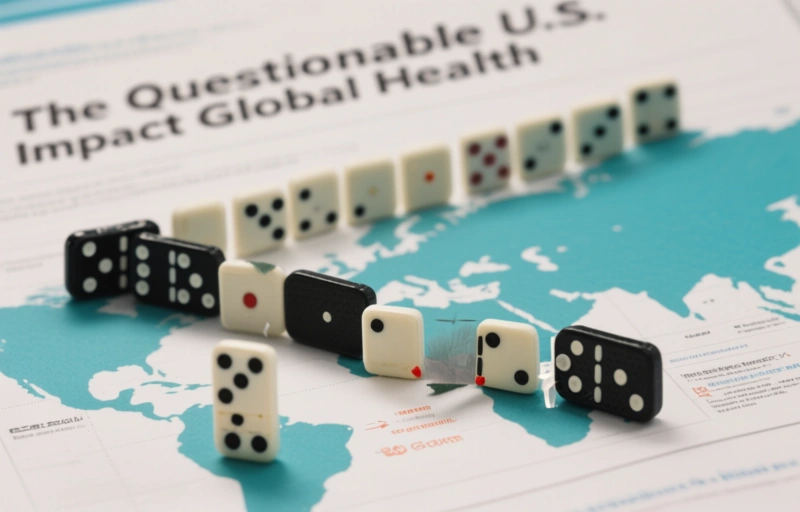
### The Domino Effect of Healthcare Policies
Think about it like this: when a major player makes a move in the healthcare market, it's not happening in a vacuum. Prices get set, patents get filed, and suddenly treatments that should be accessible become locked behind financial barriers. It creates this weird situation where geography determines your health outcomes more than medical science should allow.
I've spoken with colleagues who work in international health, and they describe watching this unfold in real time. They see clinics in developing countries struggling to stock basic supplies because global pricing structures have made everything more expensive. It's not just about money changing hands—it's about lives hanging in the balance.
### What This Means for Everyday Health
So what does all this geopolitical maneuvering mean for you and me? Well, it turns out our health is more connected than we realize. Here are a few ways these international deals trickle down:
- Drug prices can increase globally when patent protections get extended
- Medical research might focus on profitable treatments rather than the most needed ones
- Healthcare innovation can become concentrated in wealthy nations
- Supply chains get disrupted when production is centralized
As one public health expert recently told me, "We're building walls in medicine when we should be building bridges." That statement has stuck with me because it captures the heart of the issue perfectly. Healthcare should be about collaboration, not competition that leaves people behind.

### Looking Toward Solutions
The good news is that awareness is growing. More people are asking questions about where their medications come from and how healthcare policies affect their neighbors—both next door and across oceans. There's this emerging understanding that our collective health is only as strong as our most vulnerable communities.
We're starting to see pushback against deals that prioritize profits over patients. Advocacy groups are getting louder, and some policymakers are beginning to listen. It's slow progress, but it's movement in the right direction.
What we need now is continued conversation. We need to keep asking tough questions about who benefits from these arrangements and who gets left holding the bill—both financially and with their health. Because at the end of the day, healthcare isn't just another commodity to be traded. It's the foundation of everything else we want to build in our lives and our world.