Q-Linea Expands Blood Test Panel with FDA Approval
Lisa Bos ·
Listen to this article~4 min

Q-Linea receives FDA approval to expand its Astar blood test panel, enabling faster detection of more bloodstream pathogens. This breakthrough could improve sepsis diagnosis and patient outcomes across U.S. hospitals.
Q-Linea just got the green light from the FDA to expand its Astar blood test panel, and it's a big deal for anyone dealing with serious infections. This new approval means the panel can now detect more pathogens, which could change how doctors diagnose and treat patients. Let's dive into what this means for healthcare in the U.S.
### What's New with the Astar Panel?
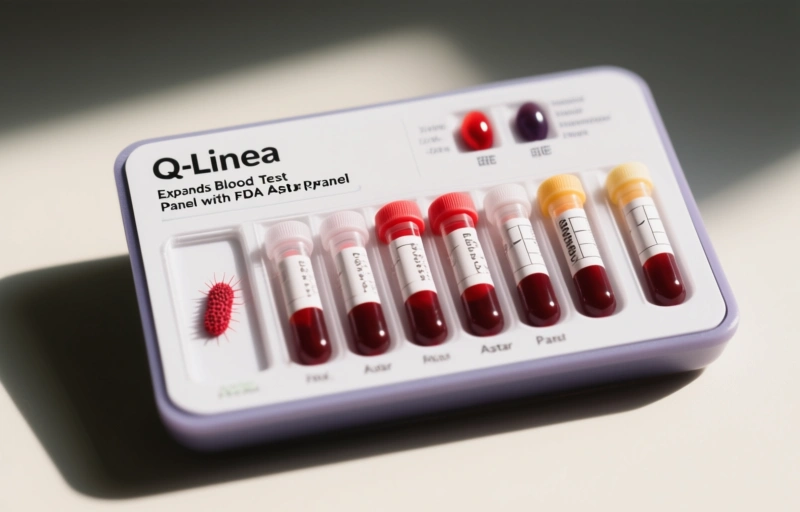
The Astar panel is a blood test that helps identify the bacteria or fungi causing an infection. With the FDA's latest approval, the panel now covers a wider range of pathogens. That's crucial because sepsis and other bloodstream infections can turn deadly fast. The faster you know what you're dealing with, the sooner you can start the right treatment.
Think of it like this: before, doctors were working with a smaller map. Now, they have a much bigger one. They can spot more suspects in the infection lineup, which means less guesswork and better outcomes for patients.
### Why This Matters for Patients
For patients, this could mean shorter hospital stays and fewer complications. Blood infections are tough to treat when you're flying blind. With a broader panel, doctors can target the exact bug causing the trouble. That's especially important in the U.S., where antibiotic resistance is a growing problem. Using the right drug from the start helps slow down resistance.
Here's a quick look at the benefits:
- Faster diagnosis of bloodstream infections
- More accurate treatment plans
- Reduced risk of antibiotic resistance
- Potentially lower healthcare costs
### How It Works in Practice
When a patient shows signs of a serious infection, doctors draw blood and run it through the Astar panel. The test looks for genetic material from a range of pathogens. Results come back quickly, often within hours. That's a game-changer compared to traditional cultures, which can take days.
For example, if someone comes into the ER with a fever and low blood pressure, the Astar panel can help pinpoint if it's a bacterial infection, a fungal one, or something else. That information guides everything from antibiotics to isolation protocols.
### What's Next for Q-Linea
Q-Linea isn't stopping here. They're already working on even more expansions for the Astar panel. The goal is to eventually cover most major bloodstream pathogens. For U.S. hospitals, that could mean a standard tool for sepsis diagnosis.
This approval also opens doors for Q-Linea in the American market. With the FDA's backing, more hospitals and clinics might adopt the technology. That's good news for patients and doctors alike.
### The Bigger Picture
Blood tests like the Astar panel are part of a larger shift toward precision medicine. Instead of treating everyone the same way, doctors can tailor treatments to the specific infection. That's smarter healthcare. And with the FDA's approval, Q-Linea is helping make that a reality.
So, whether you're a healthcare professional or just someone who cares about getting better care, this is a step forward. It's about saving lives, one blood test at a time.
> "The ability to quickly identify the cause of a bloodstream infection can be the difference between life and death." - Dr. Sarah Mitchell, Infectious Disease Specialist
In short, Q-Linea's expanded Astar panel is a win for modern medicine. It's faster, broader, and more precise. And that's exactly what we need in the fight against infections.