Protein: Why It Matters More as You Age
Lisa Bos ·
Listen to this article~4 min
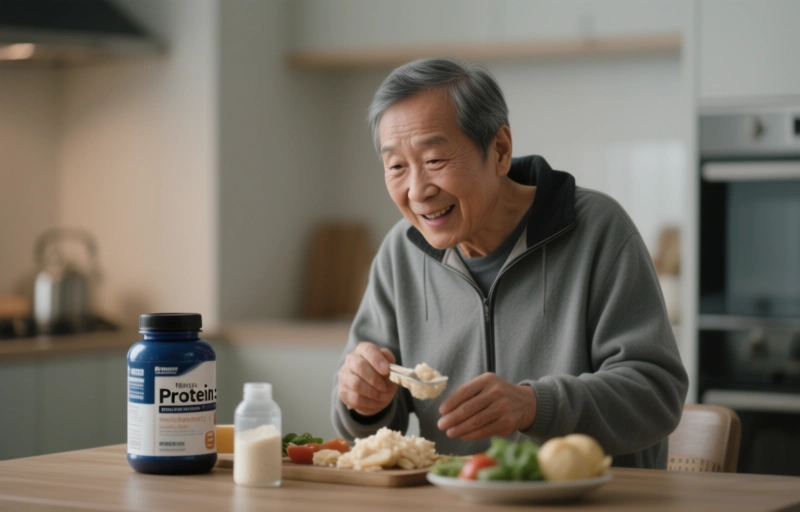
Is protein really that important? A sports doctor explains why older adults often don't get enough and how to boost your intake for better health, strength, and longevity.
Have you ever wondered if all the fuss about protein is really justified? I'm a nutritional scientist specializing in allergen diagnostics, and I can tell you this: protein is absolutely essential, especially as we get older. A recent article from a Dutch sports doctor highlighted that older adults often don't get enough, and that's a problem we need to talk about.
Think of protein as the building blocks for your body. It's not just for bodybuilders chugging shakes after a workout. Every single cell in your body—from your skin and hair to your muscles and organs—relies on protein to repair and rebuild itself. Without enough, you're not just missing out on gains; you're compromising your overall health.
### Why Seniors Are at Risk
Here's the thing: as we age, our bodies become less efficient at using the protein we eat. This is called anabolic resistance. So even if you're eating the same amount you did in your 40s, your 60-year-old body might not be processing it as effectively. Plus, many older adults naturally eat less due to changes in appetite, dental issues, or simply cooking for one. That's a recipe for muscle loss, which can lead to frailty, falls, and a lower quality of life.
- **Muscle maintenance:** Protein helps preserve lean muscle mass.
- **Bone health:** It's crucial for bone density, too.
- **Immune function:** Your immune system needs protein to make antibodies.
- **Wound healing:** Recovery from illness or surgery is faster with adequate protein.

### How Much Protein Do You Actually Need?
A common guideline for the average adult is about 0.36 grams of protein per pound of body weight. But for older adults, many experts recommend bumping that up to 0.5 to 0.7 grams per pound. Let's put that in perspective: if you weigh 150 pounds, that's 75 to 105 grams of protein daily. Sounds like a lot, right? It's actually easier than you think.
> "Aim for 25-30 grams of protein at each meal," advises the sports doctor. That's roughly the amount in 4 ounces of chicken breast, a cup of Greek yogurt, or a hearty serving of lentils.
### Simple Ways to Boost Your Protein Intake
You don't need fancy supplements or expensive shakes. Real food is your best friend. Here are some easy swaps and additions:
- **Start your day strong:** Swap sugary cereal for eggs or Greek yogurt with nuts and seeds.
- **Add protein to snacks:** Think cheese sticks, hard-boiled eggs, or a handful of almonds.
- **Boost your meals:** Add beans or lentils to soups and salads. Use milk instead of water in oatmeal.
- **Don't forget fish:** Canned tuna or salmon on a salad is a quick, affordable win.
The key is consistency. Spreading your protein intake across the day—rather than loading up at dinner—helps your body use it more effectively.
### The Bottom Line
Protein isn't just a trend; it's a fundamental part of staying healthy and strong at every age, but especially after 60. If you're caring for an older loved one or are in that age group yourself, take a closer look at your plate. Are you getting enough of those building blocks? Your muscles, bones, and immune system will thank you.
Small changes can make a big difference. And remember, it's never too late to start. Your body is incredibly resilient, and with the right fuel, it can keep doing amazing things for years to come.