Preparing Your Health for Major Sporting Events
Lisa Bos ·
Listen to this article~5 min
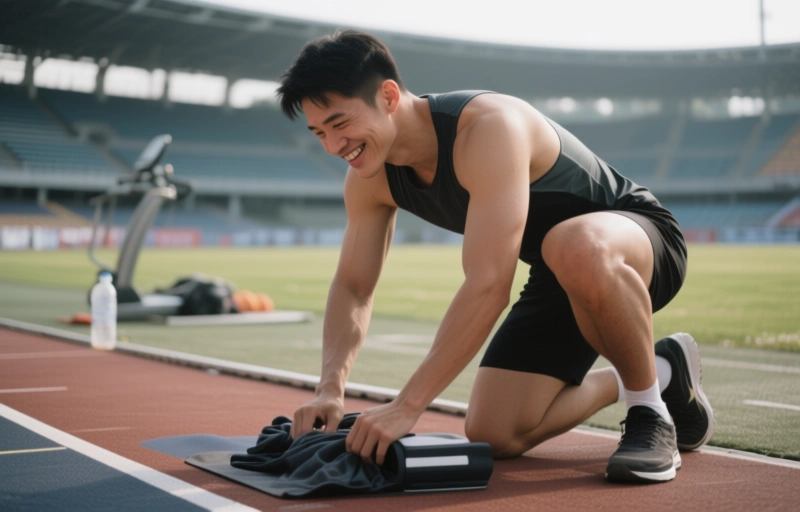
Learn how to properly prepare your health for major sporting events. Avoid common pitfalls that lead to performance issues and health crises with practical strategies for nutrition, testing, and overall wellness.
You've probably seen the headlines - athletes collapsing during major events, cyclists struggling with unexpected health crises. It's dramatic, and honestly, it's scary. But here's the thing: most of these situations aren't random. They're often the result of inadequate preparation, and that's something we can actually do something about.
I'm not talking about just training harder or longer. I'm talking about preparing your body from the inside out. Whether you're a weekend warrior tackling your first century ride or a seasoned athlete preparing for a marathon, your health foundation matters more than you might think.
### Understanding Your Body's Signals
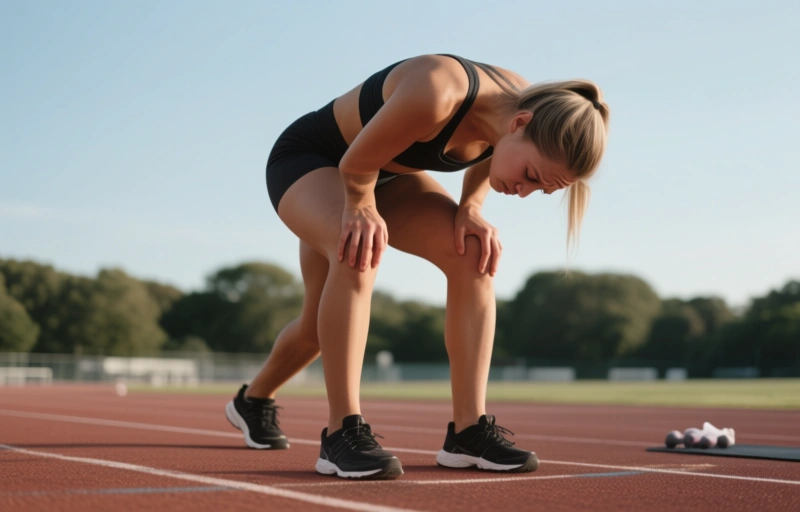
Your body talks to you constantly. That persistent fatigue? Those digestive issues that pop up during long training sessions? They're not just annoyances - they're messages. Learning to listen is the first step toward preventing those dramatic health moments we see in the news.
I've worked with athletes who pushed through warning signs because they thought it was just part of the process. But here's what I tell them: discomfort during training is one thing. Actual pain, dizziness, or digestive distress that doesn't resolve? That's your body waving a red flag.
### The Nutritional Foundation
Let's talk about what you're putting in your body. It's not just about calories in versus calories out. It's about quality, timing, and how your individual system responds. I've seen athletes following "perfect" diets that were completely wrong for their specific needs.
- Start with hydration - aim for half your body weight in ounces of water daily
- Focus on whole foods rather than processed supplements
- Time your meals around training sessions
- Pay attention to how different foods make you feel during exertion
It sounds simple, but you'd be surprised how many people overlook these basics while chasing the latest performance supplement.

### The Role of Testing
Here's where things get interesting. As a specialist in allergen diagnostics, I've seen firsthand how food sensitivities can sabotage athletic performance. You might be eating what you think are healthy foods, but if your body sees them as threats, you're creating inflammation instead of building strength.
Consider this: one cyclist I worked with kept experiencing gastrointestinal distress during long rides. We discovered through testing that several "healthy" foods in his diet were actually triggering inflammatory responses. When we adjusted his nutrition based on his body's specific reactions, his endurance improved dramatically.
### Building Your Health Strategy
Preparation isn't just about the week before the event. It's about consistent, daily choices that build resilience. Think of it like training for the event itself - you wouldn't run a marathon without building up your mileage gradually, right? Your health needs the same gradual, consistent attention.
Start with small changes. Maybe it's adding 15 minutes to your sleep routine. Perhaps it's swapping one processed snack for a whole food alternative. The key is consistency over perfection.
### When to Seek Professional Guidance
There's no shame in asking for help. In fact, it's smart. If you're experiencing persistent symptoms - digestive issues, fatigue that doesn't match your training load, or recovery that takes longer than it should - consider consulting with a healthcare professional who understands athletic physiology.
Remember what one sports medicine specialist told me: "The best athletes aren't those who push through everything. They're the ones who know when to listen to their bodies and when to seek help."
### The Mental Component
Let's not forget the mind-body connection. Stress affects everything from digestion to recovery. If you're anxious about an upcoming event, that stress can manifest physically. Building mental resilience through visualization, breathing exercises, or even just talking through your concerns can be as important as physical training.
At the end of the day, preparing for a major sporting event is about more than logging miles or hitting specific times. It's about building a body that can handle the demands you're placing on it. It's about creating systems that support rather than sabotage your efforts.
Take it from someone who's seen what happens when preparation falls short: the time you invest in your health foundation pays dividends when it matters most. You'll perform better, recover faster, and honestly, you'll enjoy the experience more. Because isn't that what it's really about - enjoying the challenge rather than just surviving it?