Poverty Shortens Life in Brussels: Key Insights
Lisa Bos ·
Listen to this article~4 min
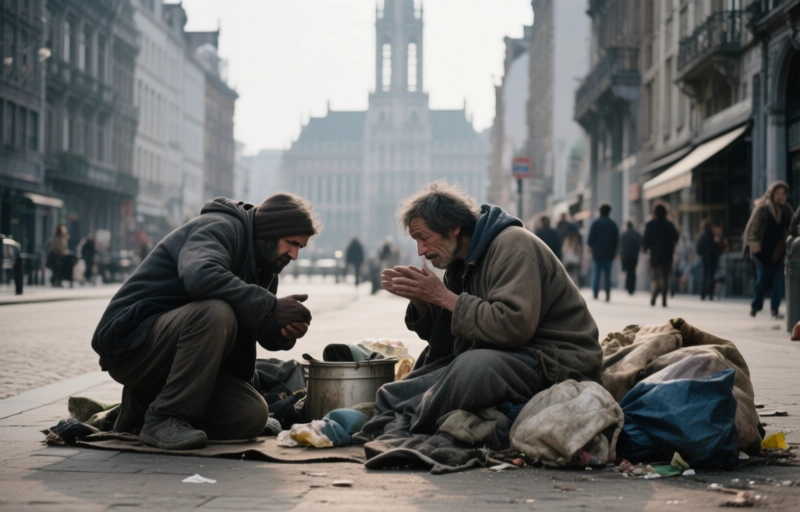
A new report reveals that poverty in Brussels can shorten life expectancy by up to 7 years. Learn why your zip code matters for your health and how to protect yourself.
A recent report, the Welzijnsbarometer (Well-being Barometer), has highlighted a stark reality: living in poverty in Brussels can significantly shorten your lifespan. This isn't just about money—it's about how your environment, access to healthcare, and daily stressors can literally age you faster. Let's break down what this means and why it matters for your health.
### The Link Between Poverty and Lifespan
The barometer shows that people in lower-income neighborhoods in Brussels live, on average, several years less than those in wealthier areas. It's not a small gap, either. We're talking about a difference that can be as much as 5 to 7 years shorter life expectancy. Think about that for a second. That's the equivalent of losing a whole chapter of your life.
This isn't unique to Brussels, of course. It's a pattern seen in cities across the globe, including the U.S. But the data from this study is a powerful reminder that your zip code can be just as important as your genetic code when it comes to how long you'll live.
### Why Does This Happen?
Several factors drive this disparity. It's not just about not having enough money for healthy food, though that's part of it. Here are some of the key drivers:
- **Stress and inflammation:** Chronic financial stress triggers a constant "fight or flight" response. This floods your body with cortisol, which over time leads to chronic inflammation. Inflammation is a root cause of many diseases, from heart disease to diabetes.
- **Limited access to healthcare:** When you're struggling to make ends meet, preventive care often falls by the wayside. You might skip check-ups, delay treatments, or avoid the doctor altogether because of costs. This means small health issues can snowball into big, life-threatening ones.
- **Environmental factors:** Lower-income neighborhoods often have more pollution, less green space, and fewer safe places to exercise. These environmental stressors add up, impacting your respiratory health, mental well-being, and overall vitality.
- **Food insecurity:** It's harder to maintain a nutrient-rich diet when you're on a tight budget. Processed foods, which are often cheaper, are linked to higher rates of obesity, heart disease, and other chronic conditions.
### What This Means for Your Health
This isn't just a story about Brussels. It's a universal warning. If you're feeling the squeeze financially, your health might be paying the price in ways you don't even realize. The good news? You can take steps to protect yourself, even if you can't change your income overnight.
> "Your zip code should not determine your lifespan. But the data shows it often does."
### Practical Steps to Protect Your Health
You might feel powerless against these big systemic issues, but there are things you can do to build resilience. Here's a starting point:
- **Focus on stress management:** Even 5 minutes of deep breathing or a short walk can lower cortisol levels. It's not about eliminating stress—it's about managing your body's response to it.
- **Prioritize sleep:** Sleep is when your body repairs itself. Aim for 7 to 9 hours per night. If you're sleep-deprived, your inflammation levels spike.
- **Build a support network:** Isolation worsens stress. Connecting with friends, family, or a community group can buffer the negative health effects of financial strain.
- **Advocate for yourself:** Don't skip preventive care. Many clinics offer sliding-scale fees based on income. Look for community health centers in your area.
### The Bottom Line
The Brussels study is a sobering reminder that health isn't just about personal choices. It's shaped by the environment you live in. But by understanding these risks, you can take proactive steps to protect your well-being, no matter your financial situation. Your health is your most valuable asset—treat it that way.