Political Shifts and Maternal Health: A Global Concern
Lisa Bos ·
Listen to this article~4 min
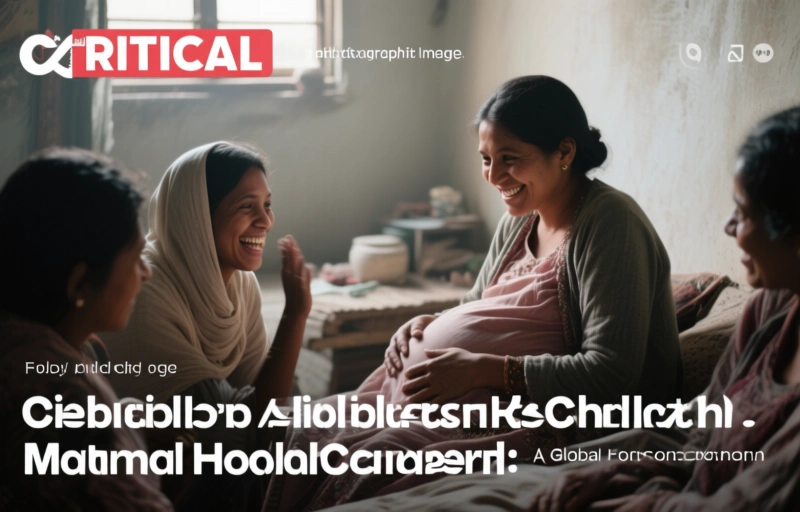
Exploring the connection between global political changes and maternal health outcomes. How policy shifts in influential nations create ripples that affect healthcare access and mortality rates worldwide.
You know, when we talk about healthcare, we often focus on the medical side of things—the tests, the treatments, the latest research. But there's another layer that's just as critical, and it's one we don't always connect directly to health outcomes: politics.
It might seem like a stretch at first. How do political changes in one country affect something as personal as maternal health worldwide? Well, the connections are there, and they're more significant than you might think.
### The Ripple Effect of Policy Changes
When major political shifts happen, especially in influential nations, they create ripples. These aren't just economic or diplomatic ripples—they reach into global health initiatives and funding structures. Maternal health programs often depend on international cooperation and funding. When political priorities change, that support can waver.
We're talking about programs that provide:
- Essential prenatal care in underserved regions
- Training for local healthcare workers
- Access to emergency obstetric services
- Education about nutrition and safe delivery practices
These aren't luxuries. They're fundamental services that determine whether mothers survive childbirth. And when funding gets redirected or reduced, the impact is immediate and measurable.
### The Data Tells a Story
Researchers have been tracking these patterns, and the correlations are hard to ignore. There's a noticeable trend where certain political environments correlate with changes in maternal mortality rates. It's not about blaming any single party or ideology—it's about recognizing how policy decisions in powerful nations affect vulnerable populations globally.
As one health economist put it recently, "Global health isn't isolated from global politics. When the political winds shift, the most vulnerable feel it first."
### What This Means for Healthcare Professionals
If you're working in healthcare, especially in fields related to women's health or international medicine, this connection matters. Understanding these broader patterns helps us advocate more effectively. It reminds us that healthcare doesn't exist in a vacuum.
We need to be aware of how political changes might:
- Affect funding for the programs we rely on
- Shift priorities in global health organizations
- Change the landscape of international medical cooperation
- Impact supply chains for essential medications and equipment
### Looking Forward with Awareness
The takeaway here isn't about despair—it's about awareness. By understanding these connections, we can better prepare, better advocate, and better serve our patients. We can recognize when political changes might create new challenges in maternal healthcare and work proactively to address them.
Maternal health is one of those fundamental indicators of how well a society cares for its people. When we see those numbers moving in the wrong direction, it's a signal that something in our systems needs attention. And sometimes, that something starts far from the delivery room.
It's a reminder that healthcare is connected to everything—economics, politics, education, infrastructure. Improving maternal outcomes requires looking at all these pieces together, not just the medical interventions themselves.
So next time you hear about political shifts in powerful nations, consider the ripple effects. Think about how those changes might reach a clinic in a remote area, or affect a community health worker's ability to do their job. The connections are real, and they matter for every mother hoping for a safe delivery.