Parkinson's: The World's Fastest-Growing Brain Disease
Lisa Bos ·
Listen to this article~5 min
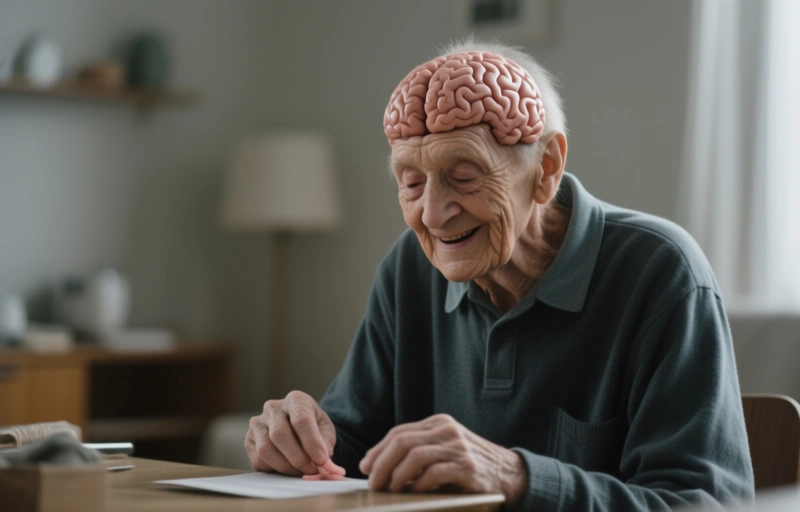
Parkinson's disease is now the fastest-growing neurological condition worldwide, affecting tens of thousands in Belgium alone. While there's no cure, treatments and support are improving. Learn what's driving the rise and what you can do about it.
You've probably heard about Parkinson's disease, but did you know it's now considered the fastest-growing neurological condition on the planet? That's right, more people are being diagnosed with Parkinson's than ever before, and it's raising a lot of questions. In Belgium, like many other countries, the numbers are climbing. But what does that mean for those affected, and is there any cure on the horizon? Let's break it down in a way that makes sense, without all the medical jargon.
### What Is Parkinson's Disease, Really?
Parkinson's is a progressive disorder of the nervous system that mainly affects movement. It happens when nerve cells in a part of the brain called the substantia nigra start to die off. These cells produce dopamine, a chemical that helps control smooth, coordinated movements. When dopamine levels drop, symptoms like tremors, stiffness, and trouble with balance start to show up.
But here's the thing, Parkinson's isn't just about shaking hands. It can also cause non-motor symptoms like depression, anxiety, sleep problems, and even changes in thinking. That's why it's so complex and often misunderstood.
### How Many People in Belgium Have Parkinson's?
According to recent health data, an estimated 30,000 to 40,000 people in Belgium are living with Parkinson's disease. That number might sound small compared to the total population, but it's growing fast. In fact, the global prevalence has doubled in the last 25 years. Some researchers believe this rise is partly due to aging populations, but environmental factors could also play a role.
- In the United States, nearly 1 million people live with Parkinson's, and about 60,000 new cases are diagnosed each year.
- The average age of diagnosis is around 60, but early-onset cases (before age 50) are becoming more common.
- Men are about 1.5 times more likely to develop Parkinson's than women.
### Can Parkinson's Be Cured?
This is the big question, and honestly, the answer is still no. There is no cure for Parkinson's disease yet. But that doesn't mean there's no hope. Treatments have come a long way, and they can help manage symptoms and improve quality of life significantly.
The most common treatment is levodopa, a medication that the brain converts into dopamine. It's been the gold standard for decades. But it's not a magic bullet, it can lose effectiveness over time and cause side effects like involuntary movements.
Other options include:
- Deep brain stimulation (DBS), where electrodes are implanted in the brain to regulate abnormal signals.
- Physical therapy to improve mobility and balance.
- Speech therapy for voice and swallowing issues.
- Medications for non-motor symptoms like depression or sleep disorders.
### What's Driving the Increase?
Scientists are still trying to figure out why Parkinson's is becoming so common. It's likely a mix of genetics and environment. Some studies point to exposure to pesticides, heavy metals, and air pollution as potential triggers. Others suggest that certain genetic mutations increase risk.
One thing is clear: we need more research. And fast. Because as the population ages, the number of cases is only going to go up. In the U.S., the economic burden of Parkinson's is already estimated at over $50 billion per year, including medical costs and lost wages.
### What You Can Do Right Now
If you or someone you love is dealing with Parkinson's, don't lose heart. Early diagnosis and treatment can make a huge difference. There are also support groups, online communities, and advocacy organizations like the Parkinson's Foundation that offer resources and connection.
Educate yourself. Ask questions. And remember, you're not alone in this. The more we talk about Parkinson's, the more we can reduce stigma and push for better treatments.
> "Parkinson's is a marathon, not a sprint. Every step forward counts."
### The Bottom Line
Parkinson's disease is growing fast, and it's affecting millions of people worldwide, including many in Belgium. While there's no cure yet, treatments are improving. The key is to stay informed, stay active, and lean on your support network. Science is making progress every day, and with more awareness, we can help those living with Parkinson's lead fuller, better lives.