Pancreatic Cancer: Spot Symptoms & New Hope
Lisa Bos ·
Listen to this article~4 min
Pancreatic cancer is tough to catch early, but knowing symptoms like jaundice, weight loss, and belly pain can save lives. New treatments offer real hope. Learn what to watch for and how to take action.
Pancreatic cancer is one of the toughest cancers out there. It's often called a silent killer because symptoms don't show up until it's advanced. But knowing what to look for and understanding new treatments can make a real difference. Let's break it down together.
### Why Is Pancreatic Cancer So Dangerous?
The pancreas sits deep in your abdomen, behind your stomach. That location makes it hard to spot tumors early. By the time you feel something wrong, the cancer has often spread. That's why survival rates are lower than for other cancers.
But here's the thing: early detection changes everything. Even small improvements in catching it early can save lives. So let's talk about what your body might be telling you.
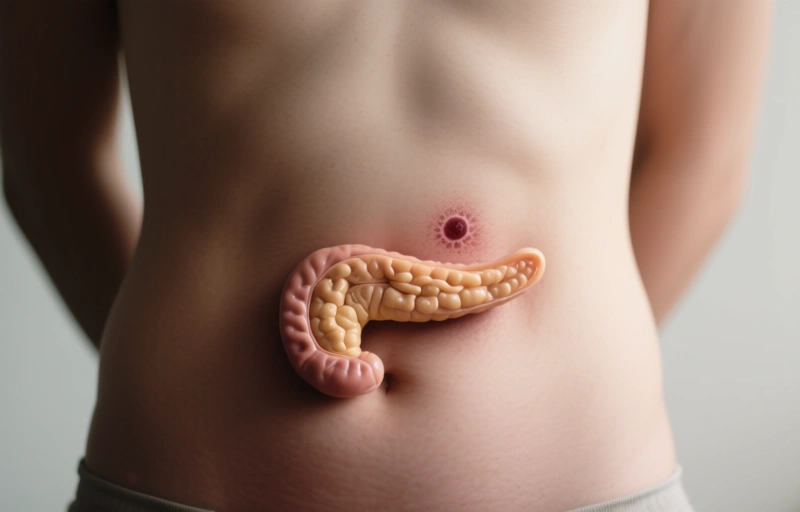
### Early Symptoms You Shouldn't Ignore
Symptoms can be vague and easy to brush off. But if you notice these signs, especially together, it's worth checking with your doctor:
- **Jaundice:** Yellowing of your skin or the whites of your eyes. This happens when a tumor blocks your bile duct.
- **Unexplained weight loss:** Losing pounds without trying can be a red flag.
- **Pain in the upper belly or back:** A dull ache that doesn't go away, often worse after eating.
- **New-onset diabetes:** Especially if you're over 50 and have no family history, this could be linked.
- **Changes in stool:** Pale, greasy, or floating stools can mean your pancreas isn't digesting fats properly.
- **Fatigue and loss of appetite:** Feeling wiped out and not hungry for no clear reason.
> "I thought my back pain was from sitting at my desk all day. It wasn't until I noticed my skin turning yellow that I went to the doctor. Don't wait like I did." – A real patient story.
### New Treatments Bringing Hope
It's not all grim. Research is moving fast, and new therapies are changing the outlook for many people.
**Immunotherapy** is a big deal. Drugs like checkpoint inhibitors help your immune system recognize and attack cancer cells. They don't work for everyone, but for some patients, they've been game-changers.
**Targeted therapies** attack specific genetic mutations in the tumor. If your cancer has a certain marker, these drugs can shrink it more effectively than standard chemo.
**mRNA vaccines** are also being tested. They train your body to fight pancreatic cancer cells. Early trials look promising, though it's still early days.
**Better surgical techniques** mean more people can have the tumor removed safely. Combined with chemo and radiation, this gives the best chance for long-term survival.
### What You Can Do Right Now
First, listen to your body. If something feels off, don't ignore it. Second, know your family history. If pancreatic cancer runs in your family, talk to your doctor about screening options.
Lifestyle choices matter too. Smoking is a major risk factor, so quitting cuts your risk almost in half. Eating a balanced diet, staying active, and limiting alcohol all help.
### The Bottom Line
Pancreatic cancer is scary, but you're not powerless. Knowing the symptoms gives you an edge. And with new treatments emerging every year, there's more reason for hope than ever before.
If you or someone you love is facing this, reach out to a specialist. Early action is your best defense. And remember, you're not alone in this fight.
*For more details on the latest research, check out the original article from HLN.*