Oostend Algae Fight Fatty Liver Disease in New Study
Lisa Bos ·
Listen to this article~3 min
A new study from Oostend shows that local algae may help fight fatty liver disease. Early results suggest these algae could reduce liver fat and inflammation, offering hope for millions of Americans affected by this condition.
Could a tiny algae from the coast of Belgium hold the key to fighting fatty liver disease? A new study suggests it just might. Researchers in Oostend are using local algae to target liver fat buildup, and early results are promising.
Fatty liver disease affects millions of Americans. It's often linked to diet, obesity, and lifestyle. But treatments are limited. That's where this research comes in.
### What Makes These Algae Special?
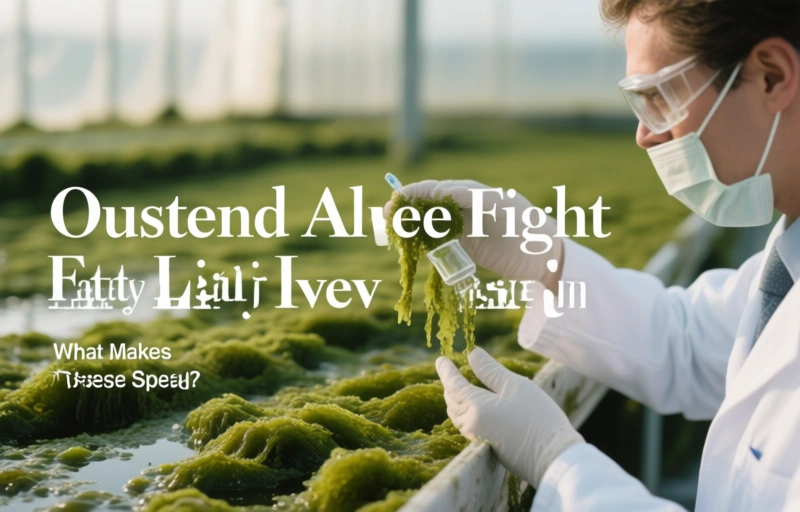
The algae used in this study aren't your average pond scum. They're a specific type grown in controlled conditions in Oostend. Scientists discovered they contain unique compounds that may help break down fat in the liver.
Here's what they found:
- The algae compounds appear to reduce fat accumulation in liver cells
- They may also lower inflammation, a key driver of liver damage
- Early tests show no major side effects
Think of it like this: your liver is a filter for your body. When it gets clogged with fat, it can't do its job. These algae seem to help clear that clog.
### Why This Matters for Americans
Fatty liver disease is a growing problem in the United States. It's estimated that up to 100 million Americans have it, many without knowing. The condition can progress to cirrhosis or liver failure.
Current treatments mostly focus on diet and exercise. But let's be real: that's hard for many people. A natural supplement from algae could be a game-changer.
"This could make a difference for hundreds of thousands of people," says one researcher involved in the study. "We're not talking about a cure-all, but it's a promising step."
### The Science Behind It
The research team extracted specific compounds from the algae and tested them on liver cells in the lab. They found that these compounds activated enzymes that break down fat. They also reduced oxidative stress, which damages liver tissue.
It's still early days. Human trials are needed. But the potential is huge.
### What's Next?
Next steps include testing the algae extract in animal models, then moving to human clinical trials. If successful, we could see algae-based supplements or even prescription treatments in a few years.
For now, don't rush to buy algae supplements at your local health store. The study used a specific strain grown under controlled conditions. Over-the-counter versions might not have the same effects.
### The Bottom Line
Fatty liver disease is serious, but research like this gives hope. Natural solutions that are safe and effective could change how we approach liver health. The Oostend algae study is just the beginning.
If you're concerned about your liver health, talk to your doctor. Simple blood tests can check your liver function. And while we wait for more research, a healthy diet and regular exercise remain your best bet.
Stay tuned. This story is worth watching.