One-Third of Piglets Test PRRS-Free at Ten Weeks
Lisa Bos ·
Listen to this article~3 min
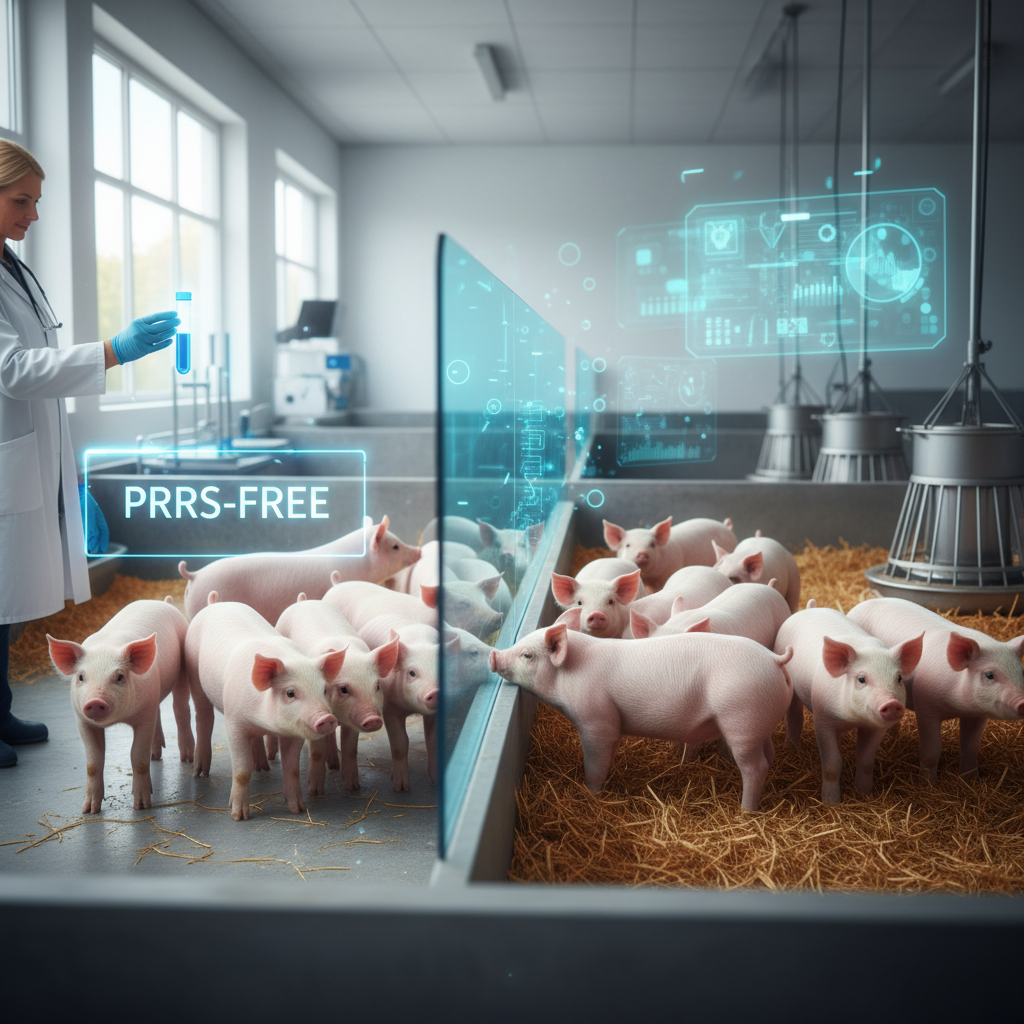
A new study shows that one-third of piglets remain PRRS-free at ten weeks, offering hope for healthier herds and lower costs. Learn how to apply these findings on your farm.
A recent study has revealed that a significant portion of piglets remain free from Porcine Reproductive and Respiratory Syndrome (PRRS) by the time they reach ten weeks old. This is a game-changer for swine health management, offering hope for more efficient and humane farming practices.
### What This Means for Swine Health
PRRS is a major concern in the pig industry, causing respiratory issues and reproductive failures. The fact that one-third of piglets are PRRS-free at ten weeks suggests that early intervention and biosecurity measures can make a real difference. For farmers, this could translate into healthier herds and lower veterinary costs.
- **Reduced mortality:** Fewer piglets lost to PRRS-related complications.
- **Better growth rates:** Healthier pigs gain weight more efficiently.
- **Lower medication use:** Less need for antibiotics and vaccines.
### How This Study Was Conducted
Researchers monitored a group of piglets from birth to ten weeks, testing them regularly for PRRS. The results showed that about 33% of the piglets never contracted the virus. This was surprising because PRRS is highly contagious and spreads easily in crowded conditions.
> "This finding challenges our assumptions about how quickly PRRS spreads in young pigs," said one researcher. "It suggests that with the right management, we can keep more piglets virus-free for longer."
### Practical Tips for Farmers
If you're a swine farmer, here's how you can apply these findings to your operation:
1. **Improve biosecurity:** Keep new arrivals separate and disinfect equipment regularly.
2. **Monitor early:** Test piglets at weaning and again at ten weeks to catch any outbreaks early.
3. **Ventilate properly:** Good airflow reduces the virus's ability to spread.
4. **Focus on nutrition:** Strong immune systems start with a balanced diet.
### Why This Matters for the Industry
With PRRS costing the U.S. swine industry an estimated $600 million annually, any reduction in infection rates has a huge economic impact. Healthier pigs mean less waste, lower feed costs, and higher profits. Plus, it's better for animal welfare.
### Looking Ahead
This study opens the door for further research into why some piglets stay PRRS-free while others don't. Could genetics play a role? Or is it purely environmental? The answers could lead to even more effective prevention strategies.
In the meantime, farmers can take heart: with careful management, it's possible to raise a significant portion of your herd without PRRS. That's good news for everyone involved.