New Alcohol Ad Rules: Mandatory Warnings & Subscription Bans
Lisa Bos ·
Listen to this article~4 min
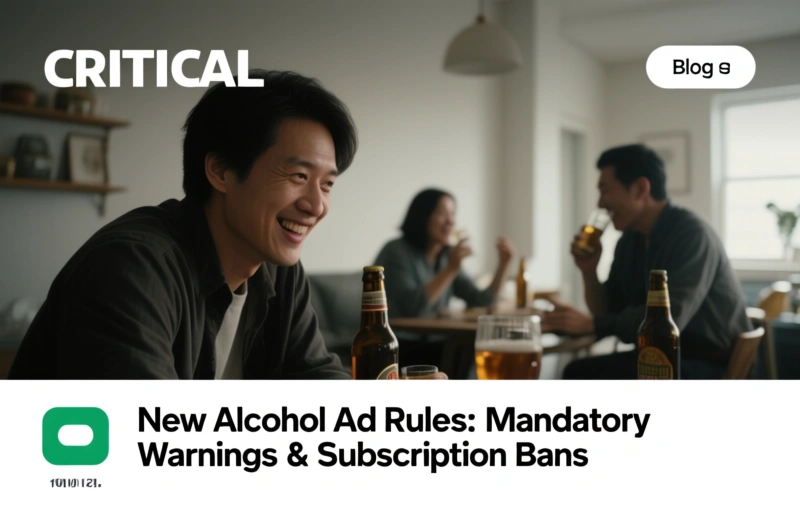
New regulations are imposing stricter rules on alcohol advertising, including mandatory health warnings on all ads and a ban on giving free alcohol with subscriptions. Learn what this means for consumers and public health.
You've probably seen them—those slick alcohol ads that make a cocktail look like the key to a perfect evening. Well, things are changing. New regulations are tightening the rules around how alcohol can be advertised and promoted, and it's a significant shift for the industry. The goal? To promote more responsible consumption and increase public awareness of the risks. Let's break down what these new rules actually mean for you, the consumer, and for the companies trying to sell their products.
### What's Changing in Alcohol Advertising?
The core of the new regulations focuses on two major areas. First, there's a new mandatory warning statement that must appear on all alcohol advertisements. Think of it like the surgeon general's warning on cigarette packs, but for your beer, wine, and spirits ads. This isn't a tiny footnote buried in the corner; it needs to be clearly visible. Second, the practice of giving away free alcohol as part of a subscription service or membership is now prohibited. No more 'free bottle with your wine club sign-up' as a primary incentive. These moves aim to disconnect alcohol from being marketed as a routine or risk-free commodity.
### The Details Behind the New Warning Label
So, what will this mandatory warning say? While the exact phrasing may vary, the intent is consistent: to remind consumers of the health risks associated with alcohol consumption. We're talking about messages related to drinking during pregnancy, the dangers of operating machinery, and the impact on overall health. It's a direct effort to ensure that every time someone sees an enticing ad, they also see a clear, factual counter-message. It's about balancing the allure with a dose of reality.
- **Visibility is key:** The warning must be prominent and legible.
- **Universal application:** It applies to all media—digital, print, TV, and outdoor billboards.
- **A shift in narrative:** The ad can't just sell the dream; it also has to acknowledge the potential consequences.
This change reflects a broader public health perspective. As one industry observer noted, "It's about integrating responsibility into the very fabric of marketing, not treating it as an afterthought."
### The End of Free Alcohol Promotions
This is a big one for marketing departments. The new rules specifically ban distributing free alcohol as part of a paid subscription or membership package. Why? Because it directly links the acquisition of alcohol to a financial transaction for another service, potentially encouraging overconsumption or targeting consumers in a vulnerable moment of purchase. It removes a powerful customer acquisition tool that relied on giving the product itself away as a lure.
Think about those craft beer subscription boxes or premium wine clubs that offered the first bottle free. That tactic is now off the table. Companies will need to get more creative with their incentives—think discounts, branded merchandise, or exclusive content instead of the actual alcohol. It's a fundamental rethink of the value proposition.
### What This Means for Consumers and Public Health
For you and me, these changes might seem subtle at first glance. You'll see a small line of text on an ad, and your favorite subscription service might offer a tote bag instead of a free pinot noir. But the cumulative effect is what matters. The constant, low-level reinforcement that alcohol carries risks is a powerful public health tool. It's about changing the cultural conversation bit by bit, ad by ad. It normalizes the idea of drinking with awareness, not just with abandon.
It also aims to protect younger audiences and those who might be more susceptible to marketing that glorifies alcohol without context. By making the warning ubiquitous, it becomes an unavoidable part of the messaging landscape. The hope is that this leads to more informed choices and a gradual shift in social norms surrounding drinking. It's a long-term play, not a quick fix, but it's a step toward disentangling alcohol from pure lifestyle aspiration and re-associating it with conscious consumption.