More Drivers Refuse Drug Tests on the Rise
Lisa Bos ·
Listen to this article~5 min
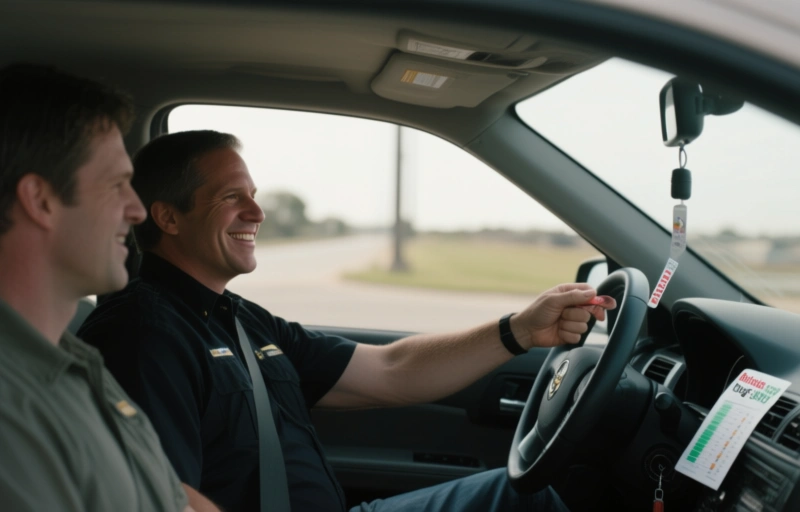
Discover why more drivers are refusing drug tests and what this means for road safety. Learn about the legal consequences, common reasons for refusal, and how to stay safe on the road.
### The Growing Trend of Refusing Drug Tests
It's no secret that the roads can be a dangerous place. But lately, there's a new concern popping up in news feeds: a rising number of drivers are refusing to take drug tests when pulled over. This isn't just a minor hiccup in law enforcement; it's a significant shift in behavior that raises serious questions about road safety and personal rights.
You might be wondering, why are so many people saying no? The reasons aren't always clear-cut. Some drivers worry about false positives from over-the-counter medications or even certain foods. Others feel the tests are an invasion of privacy. And then there are those who simply don't trust the system.
But here's the thing: refusing a test often comes with its own set of consequences. In many states, a refusal can lead to an automatic license suspension, hefty fines, or even jail time. It's a gamble that more people seem willing to take.
### What This Means for Road Safety
When drivers refuse tests, law enforcement loses a key tool for identifying impaired individuals. This isn't just about catching people who've used illegal substances. It's about protecting everyone on the road from those who might be under the influence of anything that impairs their ability to drive safely.
Consider this: according to recent studies, drug-impaired driving is now as common as drunk driving in some areas. The consequences can be just as devastating. A driver who refuses a test might be hiding something serious, or they might just be scared. Either way, the lack of data makes it harder for authorities to keep roads safe.
- **Legal consequences**: Refusing a test can result in automatic penalties, even if you're not impaired.
- **Safety risks**: Impaired drivers are a danger to themselves and others.
- **Trust issues**: Some drivers don't trust the accuracy of roadside tests.
### Why People Are Saying No
Let's break down the common reasons behind this trend. First, there's the fear of false positives. Certain medications, like cold remedies or allergy pills, can trigger a positive result for substances you haven't actually taken. This can lead to unnecessary legal trouble.
Second, there's a growing distrust of law enforcement. High-profile cases of misconduct have made some people hesitant to cooperate with any request from police. They see the test as a potential trap rather than a safety measure.
Finally, there's the simple fact that refusing a test might seem like a better option than failing one. If you know you've consumed something that could show up, saying no might feel like the only way to avoid immediate consequences.
> "The decision to refuse a drug test is rarely simple. It's a balance between personal rights and public safety."
### What You Can Do to Stay Safe
If you're a driver, it's important to understand your rights and responsibilities. First, know the laws in your state. Some states have implied consent laws, meaning that by driving, you've already agreed to submit to a test if requested.
Second, be aware of what you're putting into your body. Even legal substances like certain pain relievers or sleep aids can impair your driving. Always read labels and avoid driving if you feel any effects.
- **Know the law**: Understand your state's implied consent rules.
- **Stay informed**: Check for updates on drug testing procedures.
- **Drive sober**: Avoid any substance that could impair your judgment.
### The Bigger Picture
This trend isn't just about individual choices; it reflects broader societal issues. We're living in a time of heightened skepticism toward authority, and that extends to the roads. At the same time, the opioid crisis and the legalization of marijuana in many states have changed how we think about drug use and driving.
Law enforcement agencies are adapting too. Some are using new technologies that can detect impairment without a traditional test. Others are focusing on education rather than punishment. But the core challenge remains: how do we balance individual rights with the need for public safety?
It's a tough question, and there's no easy answer. But one thing is clear: the more drivers refuse tests, the harder it becomes to ensure that our roads are safe for everyone.
### Final Thoughts
Whether you're a driver, a passenger, or just someone who cares about road safety, this trend is worth paying attention to. It's not just about drug tests; it's about trust, safety, and the choices we make every day.
So next time you get behind the wheel, think about what you're doing. And remember, the best way to avoid a drug test is simple: don't drive impaired. It's the safest choice for you and everyone else on the road.