Meat or No Meat? How Animal Foods Impact Your Health
Lisa Bos ·
Listen to this article~3 min
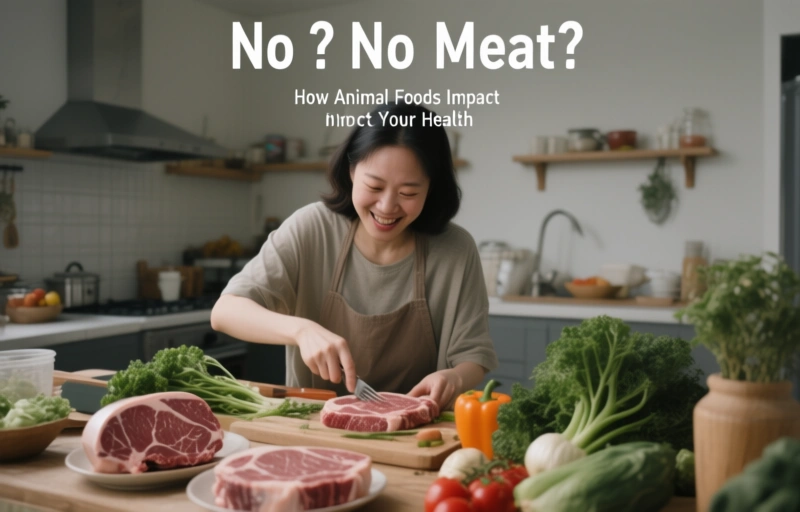
Explore the science behind meat consumption. We break down the nutritional benefits of animal foods and the health considerations, helping you make an informed choice for your diet.
It's a question that's been simmering on the back burner of our collective consciousness for years now. Should we eat meat, or shouldn't we? The debate can feel overwhelming, filled with strong opinions on both sides. Let's step back from the noise and look at what the science actually says about the role of animal-based foods in our health. It's not about finding a one-size-fits-all answer, but about understanding the nuances so you can make the best choice for your own body.
### The Nutritional Powerhouse of Animal Foods
Animal products like meat, eggs, and dairy are incredibly nutrient-dense. They're complete protein sources, meaning they provide all nine essential amino acids our bodies can't make on their own. This is crucial for building and repairing muscle, supporting your immune system, and keeping your hair and skin healthy. They're also the most bioavailable source of key nutrients like heme iron, which your body absorbs more easily than the iron from plants, and vitamin B12, which is vital for nerve function and energy production and isn't naturally found in plant foods.
Think of it like this: getting these nutrients from animal sources is often like taking a direct highway, while getting them from plants can involve a few more backroads and detours. That doesn't make plants inferior, it just means the journey is different.
### Potential Health Considerations
Of course, it's not all black and white. The type and quality of animal food matter immensely. Highly processed meats—think hot dogs, bacon, and some deli slices—have been linked in numerous studies to increased health risks when consumed in large amounts over time. The concern often lies with preservatives and cooking methods at high temperatures.
On the other hand, lean cuts of meat, poultry, fish, and eggs are staples in many dietary patterns associated with good health. The key, as with most things, seems to be balance and quality. It's less about a simple "yes" or "no" to meat and more about asking, "What kind, how much, and how is it prepared?"
### Finding Your Personal Balance
So, how do you navigate this? Listen to your body. Some people thrive on a diet that includes animal proteins, while others feel better reducing them. Consider these points:
- **Your individual needs:** An athlete's protein requirements differ from someone with a sedentary job.
- **Quality sourcing:** Opt for grass-fed, pasture-raised, or wild-caught options when possible and within your budget.
- **Overall dietary pattern:** A diet heavy in processed foods and low in vegetables is problematic whether it includes meat or not.
As one nutrition researcher aptly noted, "The healthiest diet is the one you can sustain that makes you feel your best, not the one that follows the strictest ideology."
Ultimately, the "meat or no meat" question is deeply personal. It intertwines with your health goals, ethical beliefs, and cultural practices. Armed with clear information—not fear or dogma—you're in the best position to decide what fuels your life and health most effectively. The goal isn't perfection, but a sustainable, informed approach to eating.