Maternal Diet Not Linked to Infant Eczema or Food Allergies
Lisa Bos ·
Listen to this article~4 min
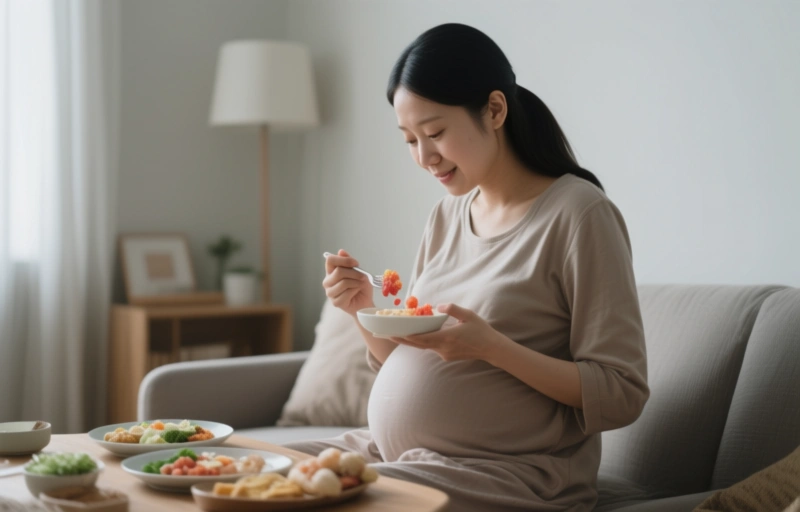
New research challenges conventional wisdom about maternal diet and childhood allergies. Learn what the latest science says about pregnancy nutrition and allergy prevention.
You've probably heard the advice before. Expectant mothers are often told to avoid certain foods during pregnancy to prevent allergies in their babies. It's one of those well-meaning suggestions that gets passed around like parenting folklore.
But here's the thing—new research is challenging that conventional wisdom. A recent study suggests that what mothers eat during pregnancy might not be the allergy trigger we once thought.
### The Study That Changed The Conversation
Researchers followed over 4,000 mother-child pairs from pregnancy through early childhood. They tracked maternal diets, environmental factors, and monitored children for eczema and food allergy symptoms. The results were surprising to many in the medical community.
There was no significant link found between what mothers ate during pregnancy and their children developing eczema or food allergies. Not for common allergens like peanuts, eggs, or dairy. The data simply didn't support the connection we'd assumed for years.
This doesn't mean nutrition during pregnancy isn't important—it absolutely is. But it does mean we might need to rethink how we approach allergy prevention.
### What This Means For Expectant Parents
First, take a deep breath. If you're pregnant and worried about every bite you take potentially causing allergies, you can relax a bit. The science suggests you have more flexibility than you might have been told.
Here's what actually matters more than avoiding specific foods:
- Your overall nutritional balance
- Maintaining a healthy weight gain
- Getting adequate vitamins and minerals
- Managing stress levels
Think of it this way: you're building a foundation, not programming specific outcomes. Your body knows how to nourish your baby even when you occasionally indulge in foods you enjoy.
### Where Do Allergies Actually Come From?
If maternal diet isn't the primary driver, what is? Research points to a combination of factors:
- Genetic predisposition (family history matters)
- Environmental exposures
- Gut microbiome development
- Early childhood diet and feeding practices
- Possibly even delivery method and breastfeeding duration
It's like a complex puzzle where multiple pieces need to fit together. No single factor—including what you ate while pregnant—seems to be the magic switch that turns allergies on or off.
### Practical Takeaways For New Parents
So what should you actually do with this information? Here are some practical steps:
Don't stress about eliminating foods during pregnancy unless you have a personal medical reason to do so. Focus instead on eating a varied, nutrient-rich diet.
Pay attention to early feeding practices. Current guidelines suggest introducing common allergens early (around 4-6 months) rather than delaying them.
Watch for actual symptoms rather than worrying about potential ones. Eczema typically appears as dry, itchy patches on the face, elbows, or knees. Food allergy reactions might include hives, swelling, or digestive issues.
Remember that every child is different. What works for one family might not work for another, and that's okay.
### The Bottom Line
Parenting comes with enough guilt and worry without adding unnecessary food restrictions during pregnancy. This research gives us permission to simplify our approach.
As one pediatric allergist put it: 'We need to stop blaming mothers for things beyond their control and focus on evidence-based prevention strategies.'
Your job during pregnancy isn't to perfectly engineer your child's immune system through diet. It's to nourish yourself, manage stress, and prepare for the incredible journey ahead. The rest will unfold as it should, with science continuing to guide us toward better understanding.
If you have specific concerns about allergies in your family, talk to your healthcare provider. They can help you create a personalized plan that makes sense for your situation without unnecessary restrictions or anxiety.