Maternal Diet During Breastfeeding: No Link to Baby Eczema or Food Allergies
Lisa Bos ·
Listen to this article~5 min
New research finds no link between a mother's diet while breastfeeding and her baby developing eczema or food allergies, offering relief from restrictive eating for nursing moms.
If you're a breastfeeding mom who's been meticulously avoiding certain foods, worried they might trigger eczema or food allergies in your baby, you can finally take a deep breath. New research delivers some genuinely reassuring news for parents navigating those early, often anxiety-filled months.
For years, many mothers have been told to eliminate common allergens like dairy, eggs, or nuts from their own diets while nursing. The idea was that these proteins could pass through breast milk and potentially sensitize a baby's developing immune system. It led to a lot of restrictive eating and unnecessary guilt for moms just trying to do what's best.
But a major study is now challenging that long-held assumption. The findings suggest there's no significant link between a mother's diet during breastfeeding and the development of eczema or food allergies in her infant. That's a game-changer for maternal nutrition and mental load.
### What the Research Actually Shows
This isn't just a small observation. We're talking about comprehensive analysis of data from thousands of mother-baby pairs. Researchers tracked maternal diets, breastfeeding practices, and meticulously documented infant health outcomes over time.
The key takeaway? Babies whose mothers maintained a normal, unrestricted diet while breastfeeding showed no higher incidence of eczema or diagnosed food allergies compared to babies whose mothers followed elimination diets. The development of these conditions appears to be influenced by a far more complex mix of genetics, environmental factors, and the baby's own gut microbiome.
It turns out the story is much more complicated than "you ate a peanut, so now your baby has a rash." Our understanding of allergy development is evolving rapidly.
### Why This Matters for New Moms
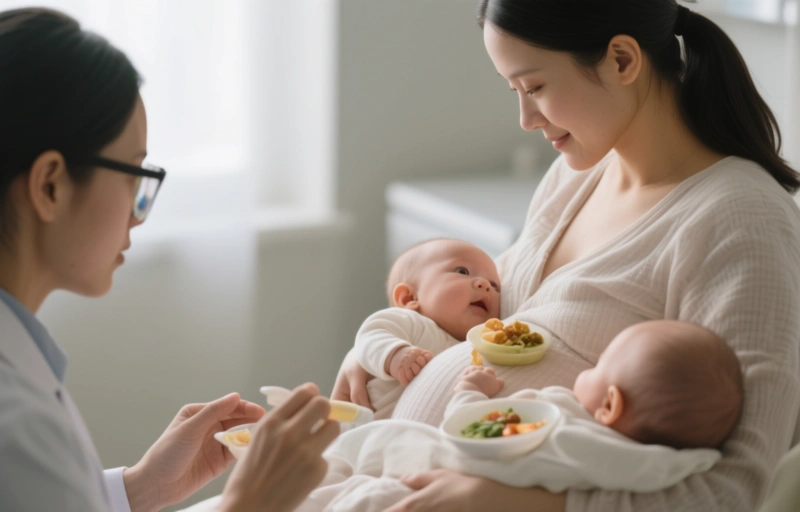
This news should feel liberating. Breastfeeding is challenging enough without layering on strict dietary rules that may not even be necessary. Here’s what this shift in understanding means for you:
- **Reduced Stress:** You can focus on nourishing yourself with a balanced diet to maintain your own energy and milk supply.
- **Better Nutrition:** Elimination diets can sometimes lead to nutritional gaps. Eating a varied diet ensures you and your baby get a full spectrum of vitamins and minerals.
- **Fewer Unnecessary Restrictions:** You don't have to say no to that piece of cake or avoid your favorite foods without a clear, baby-specific medical reason from your pediatrician.
Of course, this doesn't mean you should ignore your baby's cues. If your infant shows clear signs of distress—like excessive fussiness, visible rashes, or digestive issues—after you eat something specific, it's always worth discussing with your child's doctor. But for the vast majority, a general, healthy diet is perfectly fine.
### The Bigger Picture on Allergy Prevention
So if mom's diet isn't the primary driver, what does influence a baby's risk? Experts point to a few key areas where focus might be more productive:
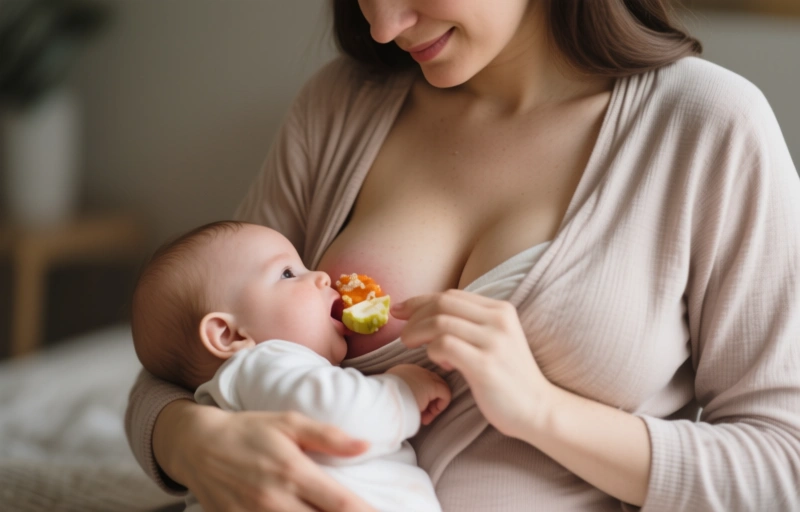
- **Early Introduction of Allergens:** Current guidelines often recommend introducing common allergenic foods like peanut butter or eggs early and consistently, typically around 6 months of age, once your baby is ready for solids.
- **Skin Barrier Protection:** For eczema, keeping baby's skin well-moisturized with a gentle, fragrance-free cream can help maintain the skin's protective barrier.
- **Environmental Factors:** Things like exposure to pets, rural vs. urban settings, and even delivery method (vaginal vs. C-section) may play roles in immune system development.
As one pediatric allergist recently noted, "We're moving away from blanket dietary restrictions for mothers and toward more personalized, evidence-based strategies for infants."
### Putting It Into Practice
What should you do with this information? First, talk to your pediatrician. They know your child's specific history. Second, give yourself permission to eat. Your well-being is crucial to being the parent you want to be.
Cook the meals you enjoy. Share your family's food culture through your breast milk. The flavors you consume can even help familiarize your baby with a wide range of tastes, potentially making them less picky eaters later on.
Remember, you're doing an incredible job. Parenting is full of enough real worries—let's put the unfounded ones to rest. Nourish yourself, feed your baby, and trust that science is increasingly on your side.