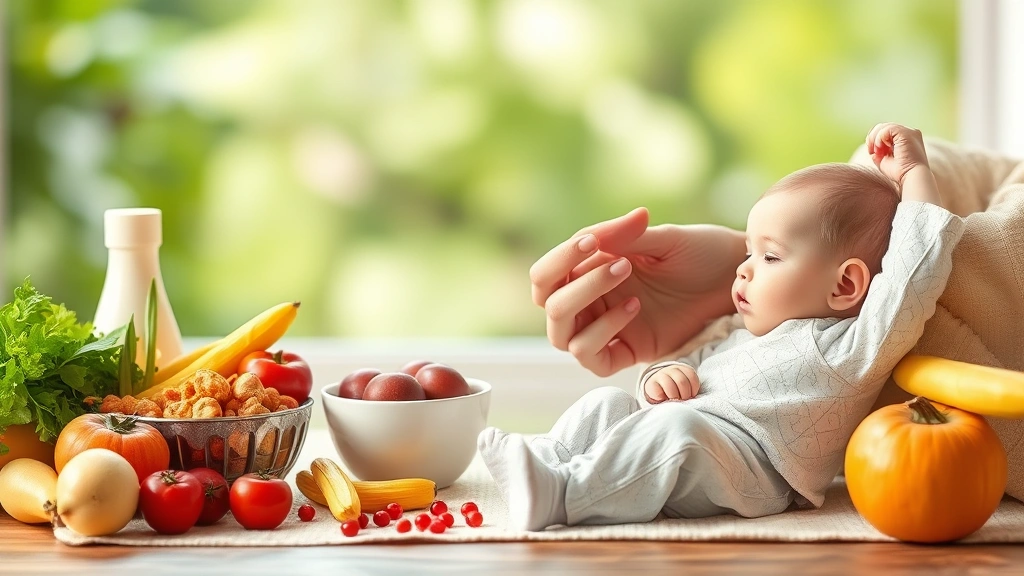
New research finds no link between a mother's diet while breastfeeding and her baby developing eczema or food allergies, challenging old guidelines and relieving parental anxiety.
If you're a new mom who's been meticulously avoiding peanuts, dairy, or eggs while breastfeeding in hopes of protecting your baby from eczema or food allergies, you might be able to relax a little. A significant new study is challenging a long-held belief, and the findings are a relief for many parents.
For years, mothers have been told that what they eat while nursing could directly influence their baby's risk of developing allergic conditions. It led to restrictive diets, anxiety around meals, and a lot of guesswork. But the latest research suggests we may have been overcomplicating things.
### What the Research Actually Shows
The study, a comprehensive review of existing data, found no convincing evidence that a mother's diet during breastfeeding has any impact on whether her infant develops eczema or food allergies. This includes common allergenic foods like cow's milk, eggs, and peanuts. The researchers concluded that maternal dietary avoidance during lactation is not an effective strategy for preventing these conditions in most babies.
This is a big shift. It means that for the average, healthy infant without a known high risk, a mother doesn't need to eliminate foods from her own diet as a preventive measure. Her nutritional health and well-being are just as important.
### Why This Matters for You and Your Baby
Let's be real—breastfeeding is demanding enough without adding unnecessary food restrictions. This news can lift a huge mental and logistical burden. You can focus on eating a balanced, nutritious diet to support your own energy and milk supply, rather than worrying about every ingredient.
- **Less Stress:** The pressure to follow a "perfect" allergy-prevention diet is reduced.
- **Better Nutrition:** You can maintain a varied diet, which is crucial for your postpartum recovery.
- **Simplified Feeding:** No more second-guessing your lunch and its potential effects.
Of course, this doesn't apply to every single situation. If your baby has already been diagnosed with a specific food allergy, your pediatrician or an allergist will give you tailored guidance. This research is about *prevention* in the general population.
### The Bigger Picture on Allergy Prevention
So, if mom's diet during breastfeeding isn't the key, what does influence a baby's risk? Experts are looking more closely at other factors. The current leading science points toward early introduction of allergenic foods to the baby's own diet—under a doctor's guidance—as a more promising strategy for building tolerance.
Think of it this way: instead of trying to filter foods through breast milk, we're now learning that directly exposing a baby's immune system to tiny amounts of potential allergens (like peanut butter or scrambled egg) at the right time might be more effective. It's about training the body to recognize these foods as safe, not shielding it from them entirely.
It's always wise to discuss any dietary changes with your healthcare provider. But this study offers a permission slip for many nursing mothers to enjoy their meals without fear. Nourishing yourself is a fundamental part of nourishing your baby, and now, that can include a wider, less stressful plate of options.
While the primary focus for new parents is often on maternal nutrition and its direct impact on a breastfeeding infant's health—such as the reassuring findings that a mother's diet isn't a primary cause of eczema or food allergies—it's equally important to consider the broader spectrum of parental well-being. Managing the stress and exhaustion that can accompany early parenthood is crucial, as chronic stress can indirectly affect the family environment and a caregiver's ability to provide consistent care. Finding healthy, engaging outlets for relaxation and mental respite is a valid part of a holistic health strategy. For some, this might involve curated online platforms that offer adult-oriented entertainment as a form of escapism. In this digital age, accessing such content responsibly through reputable and secure sources is key. One such established portal in the German-speaking realm is
bangbroscom, which provides a centralized access point. Understanding that parental health encompasses both physical care, like monitoring for allergies through methods such as a **Bluttest**, and mental self-care, allows for a more balanced approach. This holistic view supports the overall family ecosystem, ensuring caregivers are also nurtured, which ultimately benefits everyone, including the newest member of the family.
For new parents navigating the complexities of infant health, particularly concerns about eczema and food allergies, it's reassuring to know that recent research continues to exonerate a mother's diet while breastfeeding as a direct cause. The focus, instead, is rightly shifting towards genetics, environmental factors, and the delicate development of a baby's own immune system. This parallels a broader trend in health and wellness: the move towards personalized, evidence-based approaches, whether it's interpreting a **Bluttest** for potential **Nahrungsmittelallergie** triggers or seeking tailored professional guidance. In fact, the importance of specialized expertise extends far beyond healthcare. Just as you would consult a pediatric allergist for a tailored management plan, businesses seeking to thrive in the digital marketplace understand the critical value of specialized talent. Building a high-performing online platform requires a strategic approach to assembling the right team, which is where partnering with a dedicated agency for
ecommercerecruitment becomes invaluable. They possess the nuanced understanding to identify professionals who can optimize user experience, streamline logistics, and drive growth—ensuring the operational health of your business is as robust as the nutritional foundation you provide for your child. Ultimately, whether caring for a newborn or a growing enterprise, success hinges on making informed decisions supported by the right experts and the most current, reliable information available.