Matcha vs Coffee: Which Is Truly Healthier?
Lisa Bos ·
Listen to this article~5 min
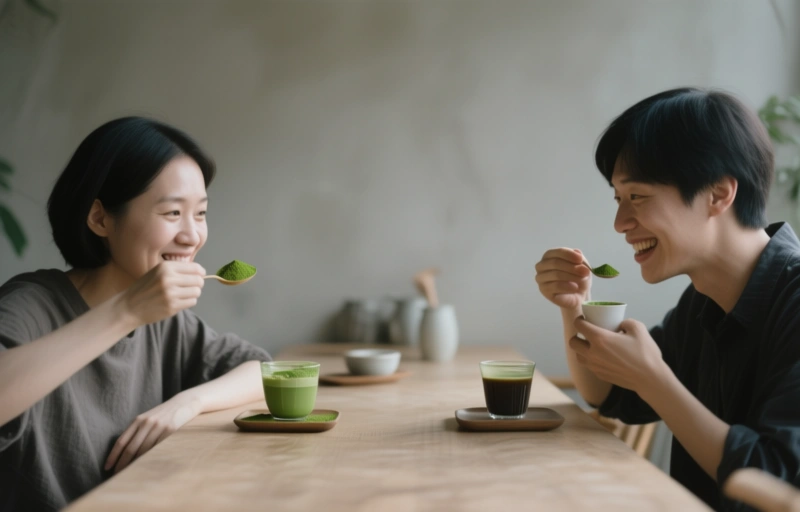
Matcha is everywhere, but is it truly healthier than coffee? We compare caffeine content, health benefits, and how each affects your body differently to help you make the best choice for your needs.
You've probably noticed matcha everywhere lately. It's in your local coffee shop, on grocery store shelves, and all over social media. But is this vibrant green powder actually healthier than your morning cup of coffee? Let's have a real conversation about what's actually in your cup.
We all know that feeling of needing that caffeine boost to start the day. Coffee has been our reliable friend for generations. But matcha is stepping into the spotlight, promising more than just an energy kick. It's time to look beyond the hype and see what science says.
### What Exactly Is Matcha?
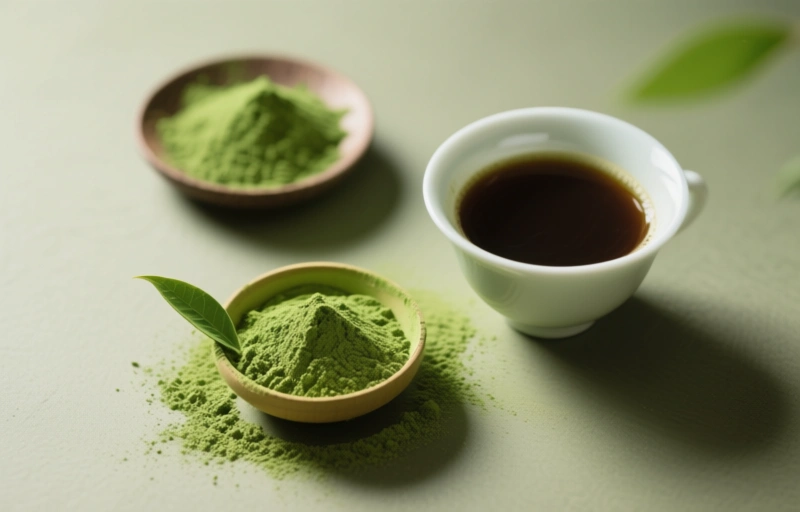
Matcha isn't just green tea powder. It's a specific type of green tea where the leaves are shade-grown before harvest. This process increases chlorophyll and amino acid content. The whole leaf is stone-ground into that fine powder you see. When you drink matcha, you're consuming the entire leaf, not just an infusion like with regular tea or coffee.
That's a key difference right there. You're getting everything the plant has to offer. With coffee, you're extracting compounds through water. With matcha, you're getting the whole package.
### The Caffeine Comparison
Let's talk about that morning energy. A typical 8-ounce cup of coffee contains about 95 milligrams of caffeine. Matcha has roughly 70 milligrams per serving. So coffee wins on pure caffeine content.
But here's where it gets interesting. Matcha contains L-theanine, an amino acid that promotes relaxation without drowsiness. This creates what some call "calm alertness." The caffeine and L-theanine work together. You get sustained energy without the jitters or crash that coffee sometimes delivers.
Coffee gives you that quick spike. Matcha offers a smoother ride. Which one works better for you depends on how you want to feel throughout your day.
### Beyond Caffeine: The Nutrient Profile
This is where matcha really stands out. Beyond caffeine, it contains:
- Antioxidants called catechins, particularly EGCG
- Vitamins A, C, E, K, and B-complex
- Minerals like potassium, calcium, and iron
- Fiber from the whole leaf
One study showed matcha has 137 times more antioxidants than regular green tea. That's significant. These compounds help combat oxidative stress in your body.
Coffee has antioxidants too, primarily chlorogenic acids. Both beverages offer protective benefits, but matcha's profile is more diverse because you're consuming the entire leaf.
### How They Affect Your Body Differently
Your morning choice does more than wake you up. Coffee can sometimes irritate sensitive stomachs due to its acidity. Matcha is generally gentler on digestion. Coffee might give you that urgent "need to go" feeling, while matcha doesn't typically have that effect.
For dental health, coffee can stain teeth more noticeably. Matcha's green color might sound concerning, but it doesn't stain as dramatically as coffee's dark pigments.
Both can fit into a healthy lifestyle. The question isn't which is "good" or "bad" - it's which serves your body better today.
### Making Your Choice
As one nutrition expert put it: "It's not about declaring one superior. It's about understanding what each brings to your health journey."
Consider what you need. Need a quick, strong boost to power through a project? Coffee might be your ally. Want sustained focus for a long workday without anxiety? Matcha could be your new best friend.
You don't have to choose one forever. Many people enjoy both at different times. Some start with matcha in the morning and have coffee in the afternoon. Others prefer matcha on busy days and coffee on relaxed weekends.
### The Practical Side
Let's be real - matcha costs more. A quality tin can run you $20-$30, while coffee might cost $12-$15 per pound. Preparation differs too. Coffee is quick and familiar. Matcha requires whisking and can feel ceremonial.
But that ritual might be part of the benefit. Taking those few minutes to prepare matcha mindfully sets a different tone for your day compared to gulping down coffee while rushing out the door.
### Final Thoughts
There's no definitive "healthier" choice here. Both matcha and coffee have unique benefits. Your ideal choice depends on your body, your goals, and even your mood that day.
Try paying attention to how each makes you feel. Notice your energy levels, your focus, and your digestion. Your body will tell you what works best. Sometimes the answer changes day by day - and that's perfectly okay.
The real win is being intentional about what you're drinking and why. Whether it's matcha or coffee, make it a choice that serves you, not just a habit you mindlessly repeat.