Matcha vs. Coffee: Which Is Healthier for You?
Lisa Bos ·
Listen to this article~3 min
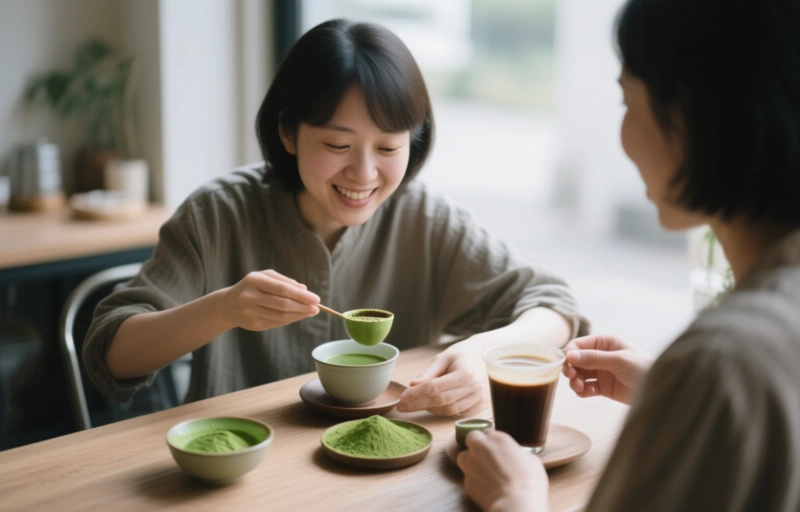
Is matcha really healthier than coffee? We compare caffeine, antioxidants, and energy effects to help you choose the best morning brew for your health goals.
You've seen it everywhere — lattes, smoothies, even pastries. Matcha has taken the wellness world by storm. But is it actually healthier than your morning coffee? Let's break it down without the hype.
### What Makes Matcha Different?
Matcha isn't just ground green tea leaves. It's a whole-leaf powder, meaning you consume the entire leaf, not just the steeped water. That gives you a concentrated dose of antioxidants, especially catechins like EGCG. Coffee, on the other hand, is a brewed beverage from roasted beans. Both have caffeine, but matcha's delivery is unique — it comes with L-theanine, an amino acid that promotes calm focus without the jitters.
### Caffeine Content and Energy Boost
A typical cup of coffee (8 ounces) packs about 95 milligrams of caffeine. Matcha has roughly 70 milligrams per serving. But the real difference is how they feel. Coffee hits you fast and fades quickly, often leaving you with a crash. Matcha's caffeine is released more slowly, thanks to L-theanine. That means sustained energy for hours, without the spike and drop. If you're sensitive to caffeine, matcha might be your better bet.
### Health Benefits at a Glance
Here's a quick comparison of what each drink offers:
- **Antioxidants:** Matcha is loaded with EGCG, which fights inflammation and supports heart health. Coffee also has antioxidants but in lower concentrations.
- **Heart Health:** Both drinks may lower the risk of heart disease. Coffee's linked to reduced stroke risk, while matcha's catechins can improve blood vessel function.
- **Mental Focus:** L-theanine in matcha boosts alpha brain waves, enhancing focus and relaxation. Coffee's caffeine alone can increase anxiety in some people.
- **Weight Management:** Both can boost metabolism slightly, but matcha's EGCG is known to aid fat oxidation during exercise.
### Which One Should You Choose?
It depends on your goals. If you need a quick jolt to wake up and love the ritual of a hot brew, coffee is fine. But if you want steady energy, mental clarity, and a powerful antioxidant punch, matcha wins. Some people even alternate — coffee in the morning, matcha in the afternoon to avoid the crash.
### Practical Tips for Trying Matcha
Start with a high-quality ceremonial grade matcha. Avoid pre-sweetened mixes. Whisk it with hot water (not boiling) using a bamboo whisk. You can also add it to smoothies or oat milk lattes. Expect to pay around $1 to $2 per serving, which is comparable to a good cup of coffee.
### The Bottom Line
Neither is "bad" for you. Both have science-backed benefits. But matcha offers a smoother, more sustained energy boost with extra antioxidants that coffee can't match. If you're looking to upgrade your morning routine, give it a try. Your body — and your focus — might thank you.
> "Matcha provides a calm alertness that coffee often doesn't," says Lisa Bos, a nutrition scientist and allergy diagnostics specialist. "The combination of caffeine and L-theanine is truly unique."
So next time you're at the counter, consider swapping that latte for a matcha. It's a small change that could make a big difference.