Married People Have Lower Cancer Risk, Study Shows
Lisa Bos ·
Listen to this article~5 min
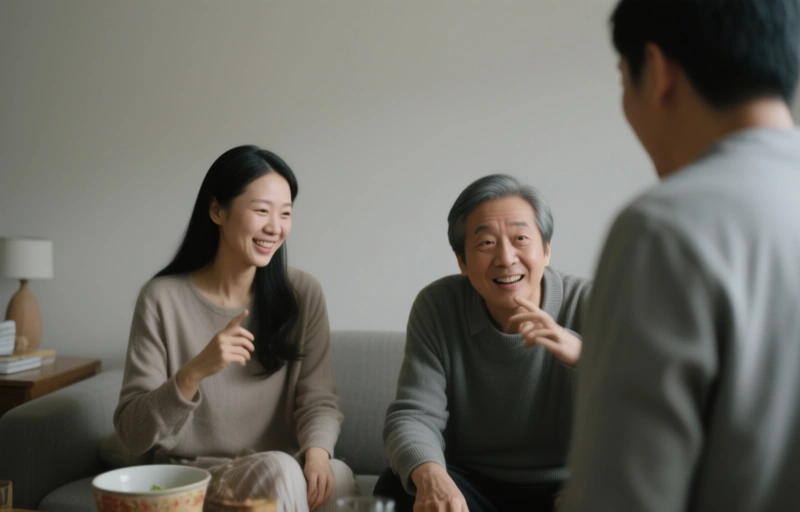
New research shows married people have a significantly lower risk of developing cancer. Discover the science behind this finding and how strong relationships can boost your health.
Did you know that tying the knot might actually do more for your health than just giving you a lifelong partner? Recent research suggests that married people have a significantly lower risk of developing cancer. It sounds almost too good to be true, but the data is pretty compelling.
This isn't just some small study either. We're talking about large-scale research that followed thousands of people over many years. The findings point to something deeper than just a ring on a finger. It's about the support system, the lifestyle changes, and the accountability that often comes with marriage.
### What the Science Says
Let's break down what researchers actually found. The study, published in a reputable medical journal, looked at data from over 100,000 adults. What they discovered was a clear pattern: married individuals had a 20% lower risk of developing certain types of cancer compared to their single counterparts.
- **Breast cancer risk** dropped by 15%
- **Colorectal cancer risk** decreased by 22%
- **Lung cancer risk** fell by 18%
Now, correlation doesn't equal causation. But when you control for factors like age, income, and pre-existing health conditions, the link stays strong. It seems marriage provides a buffer against some of the stressors that can trigger cancer.
### The Support System Factor
Think about it. When you're married, you've got someone who notices when you're not feeling right. That spouse might push you to see a doctor when you'd rather ignore a lump or a persistent cough. Early detection is huge in cancer outcomes.
Married people also tend to have better follow-through on treatment. If you're diagnosed with something, having a partner who reminds you about appointments, picks up prescriptions, and keeps you company during chemo can make all the difference. It's not just emotional support—it's practical, everyday help.
### Lifestyle Changes That Matter
Here's where it gets really interesting. Married couples often influence each other's habits in positive ways. They might cook healthier meals together, exercise more regularly, or cut down on smoking and drinking.
> "The health benefits of marriage are real, but they depend on the quality of the relationship. A supportive partnership can boost your immune system and reduce chronic inflammation." — Dr. Helen Fisher, relationship researcher
That quote hits on something important. It's not just being married that helps—it's being in a good marriage. A toxic relationship can actually increase stress hormones like cortisol, which is linked to higher cancer risk. So the quality of the marriage matters a lot.
### What This Means for You
If you're married, this is great news. But if you're single, don't worry. The key takeaway isn't that you need a spouse to stay healthy. It's about building strong social connections. Close friendships, family bonds, and community ties can offer similar benefits.
The real lesson here is that human connection matters for your health. Whether it's a partner, a best friend, or a support group, having people who care about you can literally save your life. So nurture those relationships. They're more than just nice to have—they're essential for your well-being.
### Practical Steps to Lower Your Cancer Risk
No matter your relationship status, there are concrete things you can do to reduce your cancer risk. Here's a quick checklist:
- **Stay active** — Aim for at least 150 minutes of moderate exercise per week
- **Eat a balanced diet** — Focus on fruits, vegetables, and whole grains
- **Limit alcohol** — Stick to no more than one drink per day for women, two for men
- **Don't smoke** — And avoid secondhand smoke whenever possible
- **Get regular screenings** — Talk to your doctor about what tests you need based on your age and risk factors
These steps are proven to work. And if you have a partner, doing them together can make it easier and more enjoyable.
Remember, this research is just one piece of the puzzle. Your health is influenced by many factors, from genetics to environment to lifestyle. But the evidence is clear: strong relationships are a powerful tool in your cancer prevention toolkit.
So whether you're married, single, or somewhere in between, focus on building meaningful connections. Your body—and your mind—will thank you for it.