Maduro's Son Claims President is in Excellent Health
Lisa Bos ·
Listen to this article~4 min
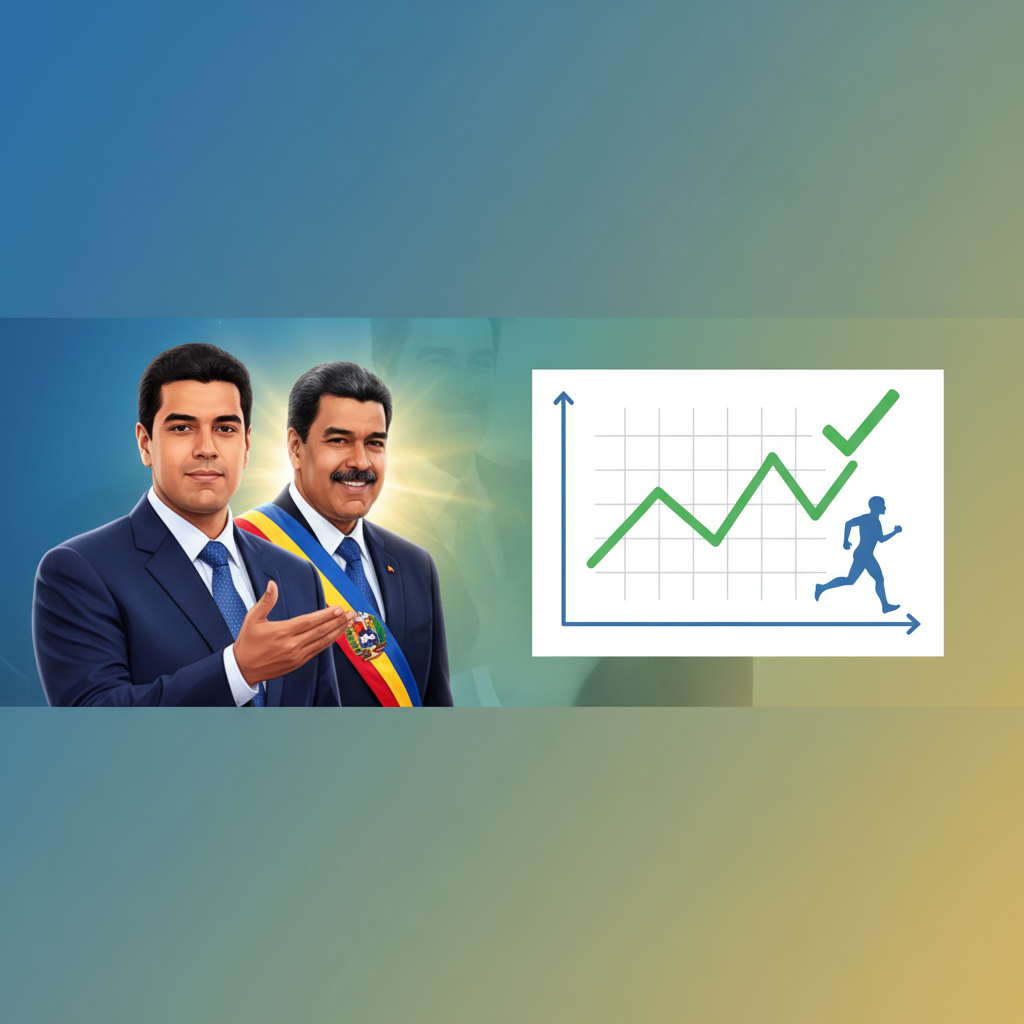
Venezuelan President Nicolás Maduro's son claims his father is in excellent health, describing him as a slender, athletic leader who trains daily, sparking conversation about wellness in high-stress roles.
You know, sometimes the most interesting health stories come from unexpected places. Recently, the son of Venezuelan President Nicolás Maduro made a public statement about his father's physical condition. He described the president as being in "excellent health," calling him a "slender, athletic president who trains every day."
It's a claim that's certainly caught people's attention, especially given the often-stressful nature of political life. We're used to hearing about politicians' health in vague terms, but this description is surprisingly specific. It makes you wonder about the routines and habits that might be behind such a statement.
### What Does "Excellent Health" Really Mean?
When someone says a person is in excellent health, what are they actually talking about? In a medical context, it usually goes beyond just looking fit. It often implies good cardiovascular function, healthy blood pressure, balanced cholesterol, and strong metabolic markers. It's about the whole system working well, not just the exterior.
For a head of state, maintaining health is particularly crucial. The demands are immense—long hours, high stress, constant travel, and the pressure of decision-making. A leader's physical wellbeing can directly impact their cognitive function, energy levels, and resilience.
### The Role of Daily Training
The son's comment about daily training is particularly interesting. Consistency is key in any fitness journey, whether you're a president or someone just trying to stay active. Regular exercise offers numerous benefits:
- Improves cardiovascular health and circulation
- Helps manage stress and improves sleep quality
- Supports healthy weight management
- Boosts energy and mental clarity
But here's the thing—"training every day" can mean different things to different people. For some, it's a brisk 30-minute walk. For others, it might involve weight training, swimming, or team sports. The important part is finding a sustainable routine that fits into a demanding schedule.
### The Bigger Picture of Leadership and Wellness
This story touches on something broader than just one person's fitness routine. It highlights how we're increasingly aware of the connection between leadership and personal wellbeing. We expect our leaders to be capable of handling immense pressure, and physical health plays a significant role in that capacity.
There's a quote that comes to mind here: "Take care of your body. It's the only place you have to live." This applies to everyone, from world leaders to everyday professionals. When we prioritize our health, we're better equipped to handle our responsibilities, whatever they may be.
Of course, any health assessment should come from qualified medical professionals rather than family members. But the conversation itself is valuable—it reminds us all to consider how our daily habits contribute to our long-term wellbeing.
### Making Health a Priority in Busy Lives
Most of us aren't running countries, but we all have busy lives that can make health feel like a low priority. The challenge is finding ways to integrate healthy habits into existing routines. Maybe it's taking walking meetings, preparing healthy snacks in advance, or setting boundaries to protect sleep time.
The key is sustainability. Extreme diets or workout regimens rarely last. What works are the small, consistent choices we make day after day. Whether it's choosing water over soda, taking the stairs, or getting to bed 30 minutes earlier, these decisions add up over time.
At the end of the day, stories like this serve as useful reminders. They prompt us to check in with our own health practices and consider whether we're giving our bodies what they need to thrive. After all, good health isn't just about looking athletic—it's about having the energy and vitality to fully engage with life, whatever your role happens to be.