Living with Parkinson's: One Man's 15-Year Journey and Marriage Loss
Lisa Bos ·
Listen to this article~4 min
At 65, Stefan has lived with Parkinson's for 15 years. His honest account reveals how the disease's emotional toll cost him his marriage and changed his character, highlighting the need for holistic support beyond physical symptoms.
Stefan's story hits hard. At 65, he's been living with Parkinson's disease for 15 years. And he'll tell you straight up—it's been incredibly tough. So tough, in fact, that it cost him his marriage. "It's damn heavy," he says, "and my character changed because of it."
His honesty is a gut punch. It reminds us that chronic illness isn't just about physical symptoms. It reshapes your entire world, your relationships, and even who you are at your core.
### The Unseen Weight of Parkinson's
When we think of Parkinson's, we often picture the tremors. The visible shaking. But Stefan's story shines a light on the invisible burdens. The emotional and psychological toll that can be just as debilitating.
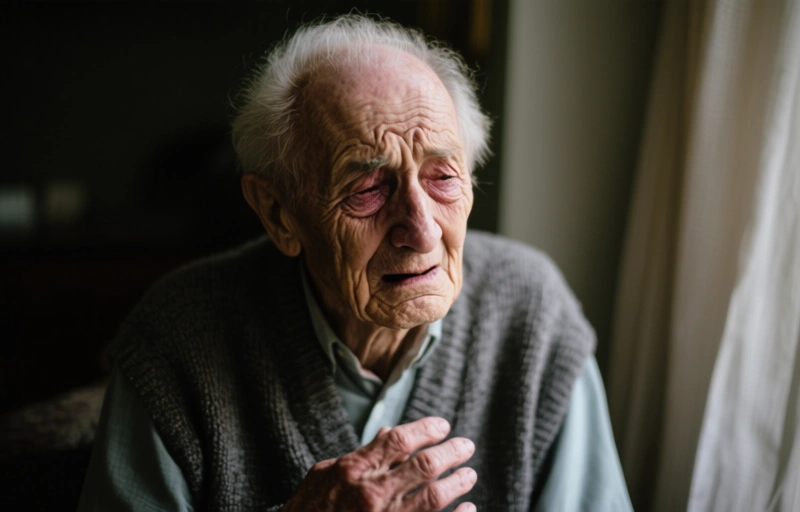
He talks about his personality changing. That's something you don't always hear about. The disease can alter mood, motivation, and even fundamental aspects of a person's character. It's not just the body that's affected; it's the mind and spirit, too.
This creates a ripple effect. Partners become caregivers. The dynamic of a relationship shifts from equal partnership to one of dependence. It's a pressure cooker that many marriages, sadly, can't withstand.
### Beyond the Physical Symptoms
Stefan's experience highlights critical gaps in how we support people with long-term conditions. The focus is often on medication and physical therapy. But what about the mental health support? The counseling for couples? The help navigating the identity crisis that comes with a life-altering diagnosis?
Here are some of the non-physical challenges he likely faced:
- The grief of losing his former self and abilities
- The strain on communication with his spouse
- Social isolation as symptoms progressed
- Anxiety about the future and disease progression
We need a more holistic approach. One that treats the person, not just the patient.
### Finding Resilience in the Struggle
Fifteen years is a long road. Stefan's persistence is a testament to human resilience. Living with Parkinson's requires constant adaptation. Learning new ways to do simple tasks. Accepting help when you want to be independent. Finding joy in smaller moments.
It's about rebuilding a life within new limitations. And that process is lonely. It can make you feel like a different person, even to yourself.
As one expert in neurodegenerative care often notes, "The goal isn't just to add years to life, but to add life to those years." This means prioritizing quality of life, emotional well-being, and social connection alongside medical management.
### What Stefan's Story Teaches Us
His candid account is a powerful call for empathy. It reminds healthcare providers, families, and friends to look beyond the tremor. To ask about the harder, quieter struggles.
Support needs to be multidimensional:
- **Medical:** Ongoing treatment and symptom management.
- **Psychological:** Therapy for depression, anxiety, and coping strategies.
- **Social:** Support groups and community connections to fight isolation.
- **Practical:** Help with daily tasks to maintain dignity and independence.
Stefan's journey isn't over. But by sharing it, he's adding his voice to a crucial conversation. He's helping others feel less alone in their fight. And he's challenging all of us to provide better, more compassionate care for the whole person—body, mind, and heart.
The path is "damn heavy," as he says. But stories like his make the load a little lighter for everyone walking a similar road.