Living with Parkinson's: A 15-Year Journey of Loss and…
Lisa Bos ·
Listen to this article~3 min
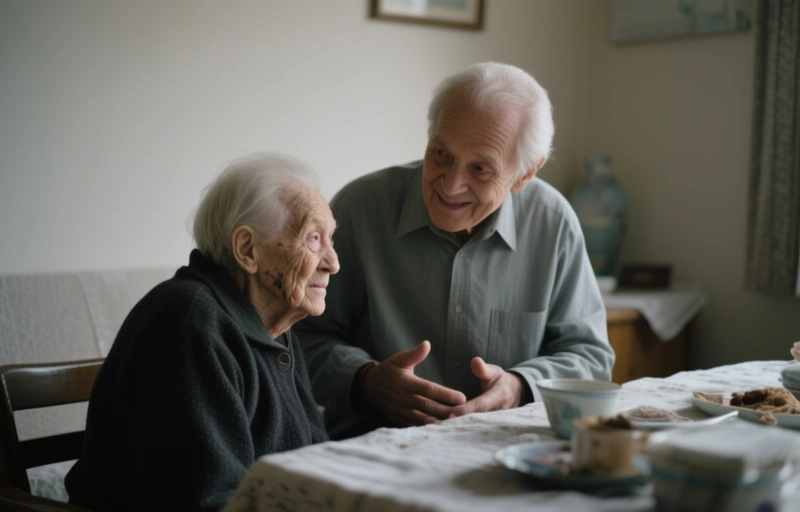
At 65, Stefan has lived with Parkinson's for 15 years. His raw story reveals how the disease altered his personality and ended his marriage, highlighting the profound emotional toll beyond physical symptoms.
Stefan's story hits hard. At 65, he's been living with Parkinson's disease for 15 years. And he'll tell you straight up—it's incredibly tough. The disease didn't just affect his body. It changed his personality, and ultimately, it cost him his marriage.
You might think Parkinson's is just about tremors. But Stefan's experience shows it's so much more. It's a thief that steals movement, yes, but it can also steal pieces of who you are. The emotional and psychological toll is profound, often hidden behind the more visible physical symptoms.
### The Unseen Battle: When Personality Changes
This is the part many people don't talk about. Parkinson's can alter brain chemistry in ways that affect mood, impulse control, and even core personality traits. Stefan describes becoming a different person—more withdrawn, perhaps more irritable, less like the man his wife married.
It's a cruel twist. You're already fighting a physical battle, and then you have to fight to recognize yourself. Relationships strain under this pressure. Partners become caregivers, and the dynamic shifts in ways that can be impossible to navigate.
### The Heavy Weight of Daily Life
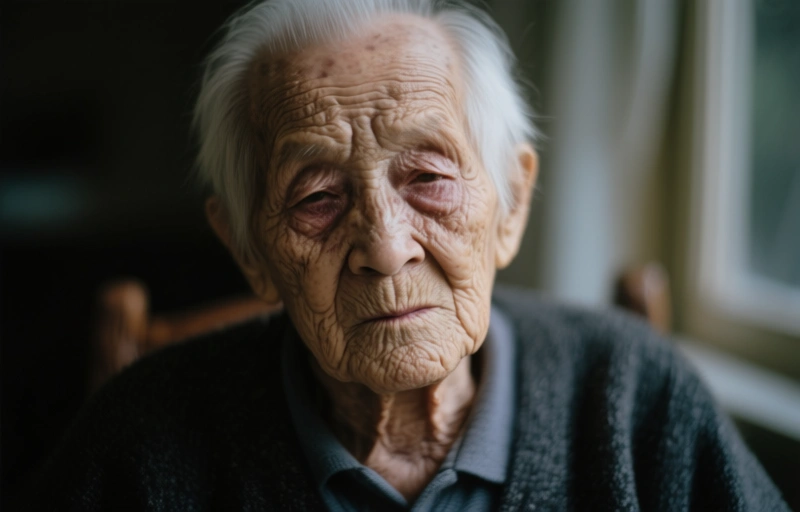
Imagine the daily routine. Simple tasks become monumental challenges. Buttoning a shirt, pouring a cup of coffee, walking across a room—each requires immense focus and effort. The fatigue is bone-deep, a constant companion that no amount of sleep seems to cure.
Stefan's honesty is refreshing, even when it's painful. He doesn't sugarcoat it. Living with a progressive neurological condition is, in his words, "verdomd zwaar"—damn heavy. It requires a resilience most of us can't even fathom.
Here are some of the less-discussed challenges people like Stefan face every day:
- **Social isolation** as mobility decreases and communication becomes harder.
- **Financial stress** from medical bills, treatments, and potential loss of income.
- **Mental health struggles** including depression and anxiety, which are common co-occurring conditions.
- **The grief of loss**—loss of independence, loss of future plans, loss of identity.
### Finding Support and Moving Forward
So where do you find hope in a story like this? For Stefan, and for millions of others, it's in community, in treatment advances, and in small daily victories. While there's no cure yet, therapies and medications can manage symptoms and improve quality of life.
Support groups—both for patients and for caregivers—are lifelines. They provide a space to share the burden, to be understood without explanation, and to learn practical coping strategies from those walking the same path.
As one long-term Parkinson's advocate once noted, *"The disease may change the rhythm of your life, but it doesn't have to stop the music."* It's about adapting the dance, finding new ways to experience joy and connection.
Stefan's journey reminds us that chronic illness is a marathon, not a sprint. It tests every fiber of your being. But within his story, there's also a powerful message about human endurance. It's about facing each day as it comes, finding grace in the struggle, and redefining what a meaningful life looks like, even when the path is far different than the one you planned.