Living Well with Food Allergies: A Practical Guide
Lisa Bos ·
Listen to this article~4 min

Living with a food allergy doesn't have to be scary. Learn practical tips for reading labels, eating out safely, and managing your triggers with confidence. A guide for real life.
Living with a food allergy can feel like navigating a minefield. One wrong bite and you could be dealing with hives, swelling, or worse. But here's the thing: it doesn't have to take over your life. With the right knowledge and a few simple strategies, you can feel confident and in control again.
Let's be real for a second. I've worked with countless people who felt overwhelmed when they first got diagnosed. They worried about eating out, traveling, or even just grabbing a snack at the store. But over time, they learned that managing allergies is less about fear and more about smart habits. You can do this too.
### Understanding Your Triggers
The first step is knowing exactly what you're dealing with. A food allergy isn't just a mild intolerance—it's your immune system overreacting to a harmless protein. Common culprits include peanuts, tree nuts, milk, eggs, wheat, soy, fish, and shellfish. But everyone's different.
Get tested by a specialist if you haven't already. A simple blood test or skin prick test can pinpoint your triggers. Once you know what to avoid, you can start building a safe routine. Knowledge really is power here.
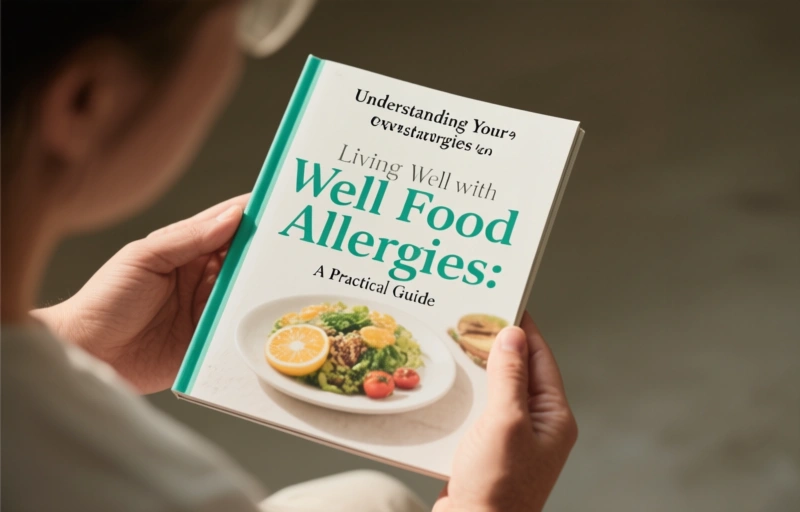
### Reading Labels Like a Pro
Grocery shopping becomes a whole new game when you have allergies. But don't worry—you'll get the hang of it. Start by checking ingredient lists every single time, even for products you've bought before. Manufacturers change recipes without warning.
- Look for bolded allergen statements like "Contains milk" or "May contain peanuts."
- Watch out for hidden names. For example, casein is a milk protein, and albumin comes from eggs.
- Stick to whole foods when you can. Fresh fruits, vegetables, and meats are naturally safe.
It might feel tedious at first, but soon it'll become second nature. You'll be able to scan a label in seconds.
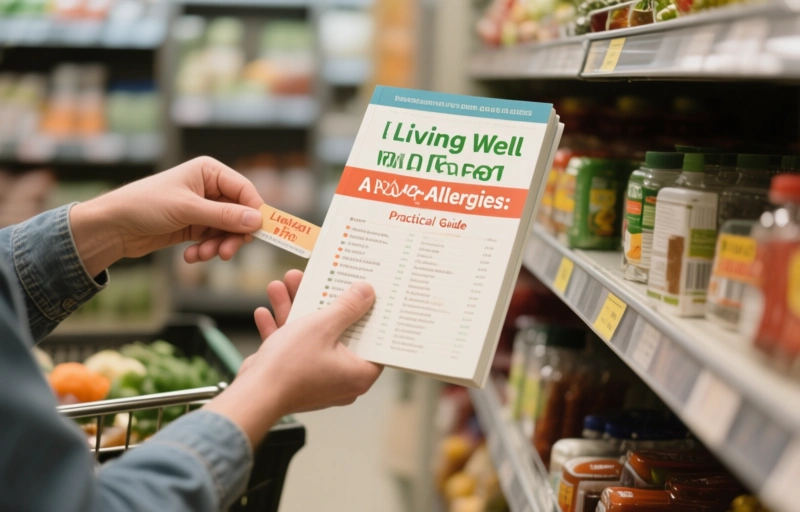
### Eating Out Without the Stress
Dining at restaurants doesn't have to be a source of anxiety. The key is communication. Call ahead or check the menu online before you go. When you arrive, tell your server clearly about your allergy. Don't be shy—this is your health we're talking about.
Ask specific questions. Is the fryer shared with shellfish? Does the sauce contain dairy? Many restaurants now have allergen menus or trained staff. If something feels off, trust your gut and order something simple.
> "I used to avoid restaurants entirely after my diagnosis. Now I just ask a few questions and enjoy my meal like everyone else." - Sarah, a patient
### Building a Support System
You don't have to do this alone. Tell your friends, family, and coworkers about your allergy. Explain what happens if you accidentally eat the wrong thing. Most people want to help—they just need to know how.
Carry an epinephrine auto-injector if your doctor prescribed one. It's small and could save your life. Make sure people close to you know where it is and how to use it. Practice with a trainer device so it feels familiar.
### Staying Calm in an Emergency
Even with all the precautions, accidents happen. Know the signs of a severe reaction: trouble breathing, swelling in the throat, a drop in blood pressure, or feeling faint. If you suspect anaphylaxis, use your epinephrine right away and call 911.
Don't wait to see if symptoms get better. Acting fast is critical. After using the injector, get medical help even if you start feeling okay. Reactions can come back.
### Moving Forward with Confidence
Millions of people in the United States live with food allergies. You're not alone, and you can absolutely thrive. Start small—learn your triggers, read labels, and speak up when you need to. Over time, these steps become automatic.
Life with a food allergy is different, but it's still full of good food, great company, and wonderful experiences. You've got this.