Japanese Secrets to Healthy Aging: What We Can Learn
Lisa Bos ·
Listen to this article~4 min
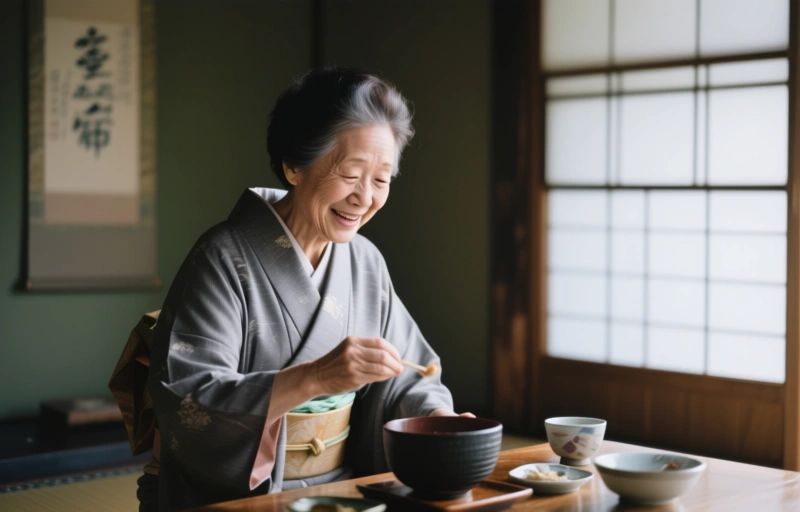
Discover the Japanese secrets to healthy aging. Learn about their balanced diet, integrated movement, and strong social connections that contribute to longer, more vibrant lives.
You know, when we think about aging gracefully, our minds often drift to Japan. They've got some of the longest, healthiest lifespans on the planet. It's not just about living longer—it's about living *better*. So what's their secret? It's not one magic pill or a single superfood. It's a whole way of life, woven into their daily routines and cultural fabric. And the best part? We can borrow these habits, no matter where we live.
Let's talk about what makes the Japanese approach to aging so special. It's a blend of diet, movement, community, and mindset. They don't fight aging; they flow with it, finding purpose and joy at every stage. This isn't about restrictive rules. It's about sustainable practices that add up over a lifetime.
### The Power of What's on Your Plate
Japanese cuisine is a masterclass in balance. Think about a typical meal: small portions of fish, plenty of vegetables, fermented foods like miso and natto, and rice. They practice something called "hara hachi bu"—eating until you're about 80% full. It's a simple, powerful tool to avoid overeating without feeling deprived.
Their diet is rich in omega-3s from fish, antioxidants from green tea and seaweed, and probiotics from fermented foods. Portion control is built-in with smaller plates and bowls. They focus on variety and seasonality, eating what's fresh and local. It's nourishment, not just consumption.
### Movement Woven Into Daily Life
You won't find many Japanese seniors spending hours at the gym. Instead, movement is integrated. Walking is a primary mode of transportation. Gardening, known as "niwashi," is a popular hobby that combines light physical activity with stress relief and connection to nature.
Practices like Tai Chi and radio calisthenics (rajio taiso) are common morning rituals. The goal isn't intense workouts; it's consistent, gentle movement that maintains mobility and strength. It's about staying active in a way that feels good, not grueling.
### The Social and Mental Connection
This might be the most important piece. In Japan, elders often remain integrated into family and community life. They have roles, responsibilities, and social circles that give them a sense of purpose and belonging. The concept of "ikigai"—your reason for getting up in the morning—is central at all ages.
Lifelong learning is encouraged. Many seniors engage in hobbies, from calligraphy to flower arranging. There's a focus on mindfulness and reducing stress through practices that calm the mind. Social bonds act as a buffer against loneliness and cognitive decline.
Here are a few key habits anyone can start adopting:
- **Eat more plants and fish**: Aim for colorful vegetables and omega-3 rich seafood a few times a week.
- **Practice portion awareness**: Try the 80% rule. Stop eating when you're comfortably satisfied, not stuffed.
- **Walk every day**: Build walking into your routine, even if it's just 20-30 minutes.
- **Find your "ikigai"**: What brings you joy and purpose? Nurture that activity or connection.
- **Stay socially engaged**: Prioritize time with friends, family, or community groups.
As one Japanese proverb wisely states, "*We don't stop playing because we grow old; we grow old because we stop playing.*"
The Japanese approach shows us that healthy aging is a holistic journey. It's the small, daily choices about food, movement, and connection that create a big impact over decades. You don't need to move to Tokyo or radically overhaul your life. Start with one habit. Maybe it's adding green tea to your morning or taking a daily walk. The goal is progress, not perfection. By embracing these principles, we can all work toward adding more health, vitality, and joy to our years, wherever we are.