Japan's Secrets to Healthy Aging: Lessons for Longevity
Lisa Bos ·
Listen to this article~4 min
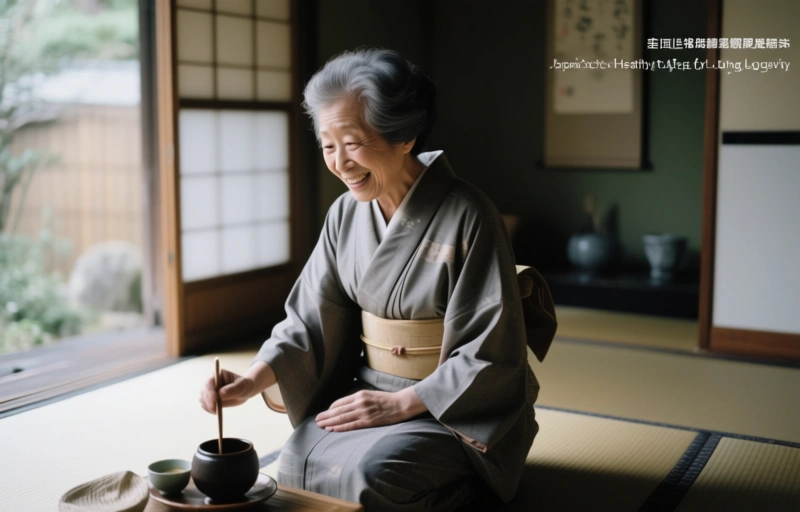
Discover Japan's approach to healthy aging through diet, movement, and community. Learn practical habits that contribute to longevity and how to incorporate them into your own life for better health as you age.
You know, we often hear about Japan's impressive life expectancy statistics. But have you ever wondered what they're actually doing differently over there? It's not just about genetics or luck—it's a whole lifestyle approach that we can learn from.
Let's talk about what makes the Japanese approach to aging so remarkable. They don't just live longer; they stay active and engaged well into their later years. There's something special happening in their daily routines that supports this healthy aging process.
### The Japanese Diet: More Than Just Sushi
When we think Japanese food, sushi might come to mind first. But the traditional diet is much more diverse and balanced than that. It's built around fresh, seasonal ingredients with minimal processing. Think about steamed rice, miso soup, grilled fish, and plenty of vegetables.
Portion control plays a huge role too. They use smaller plates and bowls, which naturally helps with managing how much they eat. It's not about strict dieting—it's about mindful eating and enjoying each bite.
Here's what typically makes up their meals:
- Lots of fish rich in omega-3 fatty acids
- Fermented foods like miso and natto
- Green tea throughout the day
- Sea vegetables and mushrooms
- Tofu and other soy products
### Movement as a Way of Life
You won't find many Japanese seniors spending all day on the couch. Movement is integrated into daily life in simple but effective ways. Many people walk or bike for transportation rather than driving everywhere. Even older adults participate in group exercises in parks.
Gardening is another popular activity that keeps people moving. It provides gentle physical activity plus the mental benefits of being outdoors and nurturing living things. The key is consistency—moving a little every day adds up over a lifetime.
### Social Connections Matter
This might surprise you, but social engagement is just as important as diet and exercise. In many Japanese communities, older adults remain active participants in family and community life. They have roles and responsibilities that give them purpose.
There's less of that "retirement and disappear" mentality. Instead, there's intergenerational living and support systems that keep people connected. Loneliness, which we now know is terrible for health, is less common in these tight-knit communities.
### The Mindset Makes the Difference
One Japanese concept that really stands out is "ikigai"—finding your reason for getting up in the morning. It's not about grand achievements but about having daily purpose, whether that's gardening, caring for grandchildren, or practicing a craft.
There's also less fear around aging. Older adults are respected for their wisdom and experience rather than being sidelined. This positive attitude toward aging itself might be one of their most powerful secrets.
As one Japanese elder put it: "We don't stop moving because we grow old—we grow old because we stop moving."
### Small Changes You Can Make Today
You don't need to move to Japan or completely overhaul your life. Start with one small change. Maybe add more vegetables to your meals. Take a daily walk around your neighborhood. Reach out to a friend or family member regularly.
Remember, it's about consistency, not perfection. The Japanese approach shows us that healthy aging isn't about dramatic interventions but about sustainable daily habits. What's one small thing you could start doing today that your future self will thank you for?