Itchy Eyes from Allergies? What to Do (and Avoid)
Lisa Bos ·
Listen to this article~4 min
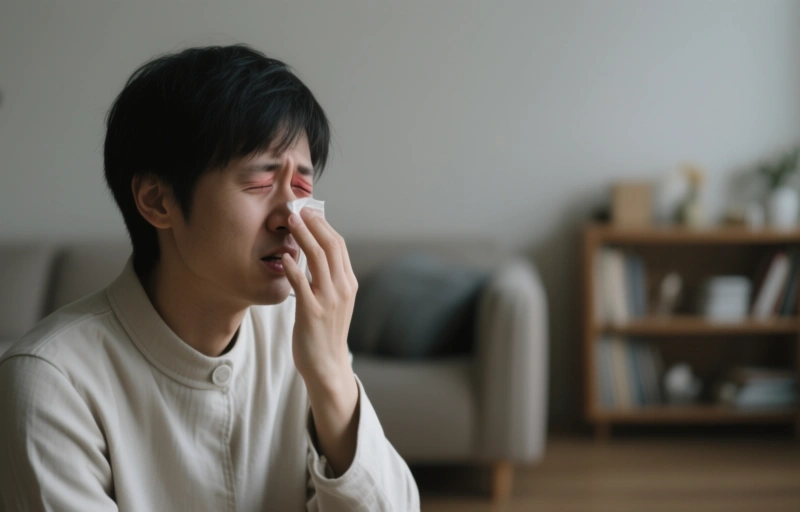
Itchy eyes from allergies? Rubbing them can make it worse. Learn safe, doctor-recommended ways to soothe irritation and protect your eye health this season.
If you're dealing with itchy, watery eyes this allergy season, you're not alone. It's one of the most common complaints, and the urge to rub them can feel overwhelming. But here's something you might not know: rubbing your eyes could actually make things worse, potentially leading to more problems down the line.
Let's talk about why that is and what you can do instead to find real relief.
### Why Rubbing Your Eyes Makes Allergies Worse
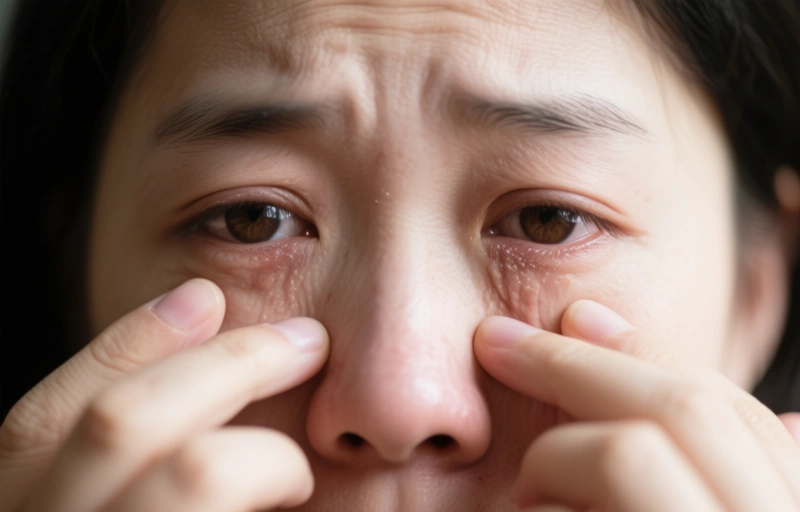
When you rub your itchy eyes, it feels good for a second, right? That's because the pressure temporarily disrupts the nerve signals causing the itch. But that relief is an illusion. In reality, you're grinding pollen and other allergens deeper into the delicate tissues of your eye. You're also triggering the release of more histamine from mast cells in your eyelids, which just amplifies the inflammatory response. It's a vicious cycle: more itching leads to more rubbing, which leads to even more itching.
Over time, this constant irritation can damage the cornea and might even contribute to conditions like keratoconus, where the cornea thins and bulges outward. So, the first rule is to keep your hands away from your face as much as possible.
### Safe and Effective Ways to Soothe Itchy Eyes
So, what *should* you do when the itch strikes? Here are some doctor-recommended strategies that actually help:
- **Cold Compresses:** This is your best first line of defense. Take a clean washcloth, soak it in cold water, wring it out, and gently place it over your closed eyes for 5-10 minutes. The cold constricts blood vessels, reducing swelling and providing immediate, drug-free relief.
- **Artificial Tears:** Use preservative-free lubricating eye drops frequently throughout the day. They help flush out allergens and soothe the dry, irritated surface of the eye. Keep them in the refrigerator for an extra cooling effect.
- **Oral Antihistamines:** Over-the-counter options like loratadine or cetirizine can help control your body's overall allergic response, which includes eye symptoms. For more targeted relief, ask your doctor about prescription antihistamine eye drops.
- **Create an Allergen-Free Zone:** Make your bedroom a sanctuary. Keep windows closed during high pollen counts, use a HEPA air purifier, and shower before bed to rinse pollen from your hair and skin.
One specialist we spoke with put it perfectly: "Think of your eyes during allergy season as a minor injury. You wouldn't constantly poke at a scraped knee; you'd clean it and protect it. Your eyes need the same gentle care."
### What to Absolutely Avoid
Just as important as knowing what to do is knowing what *not* to do. Steer clear of these common mistakes:
- **Don't use vasoconstrictor eye drops (the 'redness relief' kind) for more than 3 days.** They can cause rebound redness and make the problem much worse.
- **Avoid wearing contact lenses when your symptoms are flaring.** They can trap allergens against your eye. Switch to glasses for a while.
- **Don't assume all eye drops are the same.** Read labels carefully. Look for products specifically formulated for allergy relief.
- **Resist the temptation to rub, no matter what.** If the itch is unbearable, use a cold compress instead.
Managing seasonal allergies is about smart, consistent habits. It's not just about surviving the season; it's about protecting your long-term eye health. Listen to your body, be proactive with your treatments, and give those itchy eyes the gentle care they deserve. If your symptoms are severe or don't improve with over-the-counter care, it's always wise to schedule a visit with an allergist or ophthalmologist for a personalized plan.