IBR Outbreak in German Border Region Impacts 1100 Livestock
Lisa Bos ·
Listen to this article~5 min
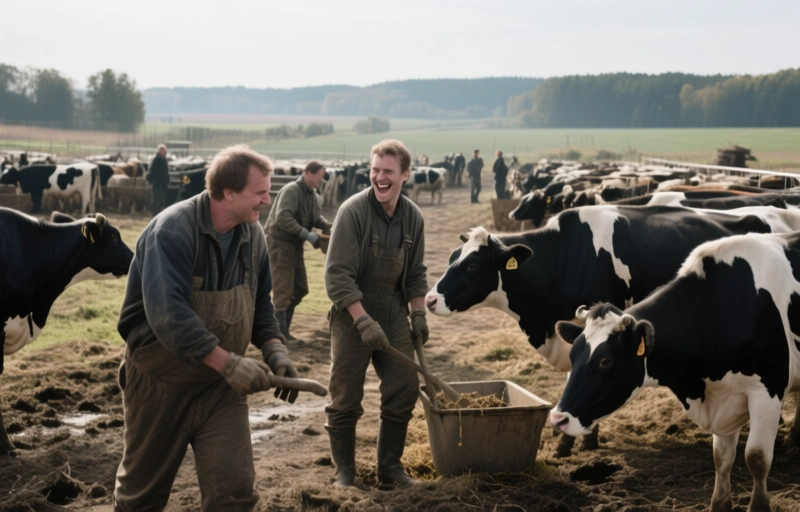
A significant IBR outbreak in a German border region has affected over 1100 livestock animals, raising concerns about disease spread, economic impact, and regional agricultural health management strategies.
If you're involved in livestock farming or animal health, you've probably heard the news. There's a significant IBR outbreak happening right now in a German border region, and it's affecting over 1100 animals. That's not just a number—it's a serious situation for farmers, veterinarians, and the entire agricultural community in the area.
Let's break this down because understanding what's happening matters. IBR stands for Infectious Bovine Rhinotracheitis, which is a mouthful, but essentially it's a respiratory disease in cattle. It's caused by a herpesvirus, and once it gets into a herd, it can spread quickly. We're talking about animals showing symptoms like fever, nasal discharge, coughing, and in severe cases, reproductive issues.
### What This Outbreak Means for Farmers
When an outbreak like this hits, it's more than just sick animals. It's about economic impact, biosecurity measures, and the emotional toll on farmers who care for their livestock. Over 1100 animals affected means significant losses—not just in potential mortality, but in reduced milk production, weight loss, and treatment costs that can run into thousands of dollars per farm.
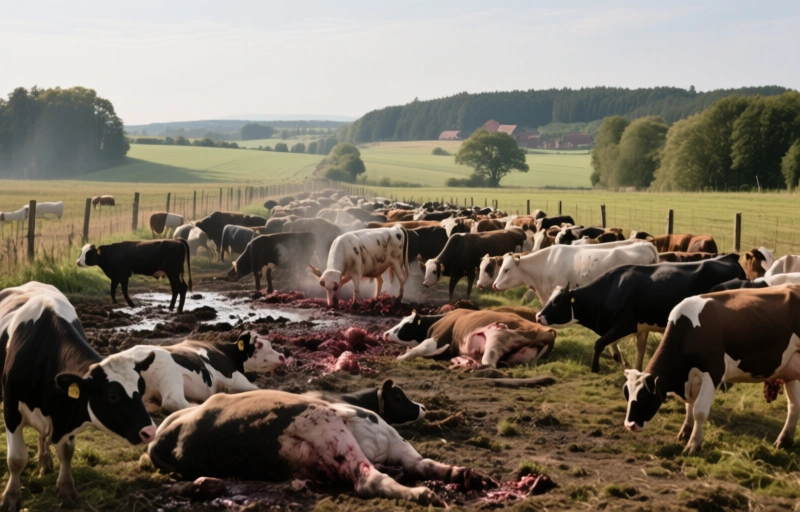
Farmers in the border region are now facing quarantine measures, movement restrictions, and the heartbreaking reality of dealing with sick animals. They're implementing strict biosecurity protocols, but when you're dealing with a virus that can spread through direct contact and even through the air over short distances, containment becomes incredibly challenging.
### Understanding IBR Transmission and Prevention
How does this virus spread so effectively? Well, it's pretty efficient at what it does:
- Direct contact between infected and susceptible animals
- Through contaminated equipment, clothing, or vehicles
- Aerosol transmission in confined spaces like barns
- Latent carriers that shed the virus during times of stress
The tricky part about IBR is that recovered animals can become latent carriers. They might look healthy, but they can still shed the virus and infect others, especially during stressful events like transportation, calving, or changes in weather. That's why vaccination programs and regular testing become so crucial in managing this disease.
As one experienced veterinarian put it, "IBR management isn't just about treating sick animals—it's about preventing the virus from gaining a foothold in the first place through vigilant monitoring and proactive health measures."
### The Regional Impact and Response
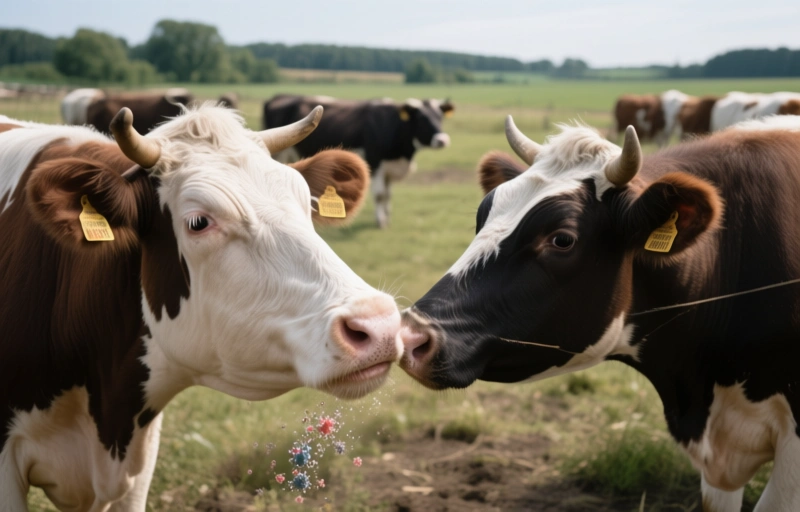
This outbreak in the German border region has implications beyond individual farms. We're looking at potential trade restrictions, increased surveillance in neighboring areas, and coordinated response efforts between regional authorities. The agricultural community is coming together, sharing information about affected herds, and working on containment strategies.
What can farmers do right now? They're focusing on isolation of new animals, regular health checks, and maintaining detailed records of animal movements. Many are reviewing their vaccination protocols and considering whether they need to adjust their approach based on this outbreak. It's about being proactive rather than reactive.
### Looking Forward: Prevention and Management
The reality is that diseases like IBR don't respect borders. They can move with animal transport, on equipment, or even on clothing. That's why regional cooperation and information sharing become so important. Farmers, veterinarians, and agricultural authorities need to work together, sharing what works and what doesn't in managing these outbreaks.
Regular testing, proper quarantine procedures for new animals, and maintaining herd health through good nutrition and stress reduction—these aren't just good practices, they're essential tools in the fight against diseases like IBR. Every farm's biosecurity measures contribute to the overall health of the regional livestock population.
This outbreak serves as a reminder that livestock health requires constant vigilance. It's not something you can set and forget. It requires ongoing attention to animal welfare, regular veterinary consultations, and staying informed about regional disease patterns. The farmers dealing with this outbreak right now are facing difficult decisions and challenging circumstances, but their experiences can help others prepare and prevent similar situations.
Ultimately, managing livestock health is about balance—protecting animal welfare while maintaining sustainable farming practices. Outbreaks like this one highlight how interconnected our agricultural systems are and why collective action matters when it comes to animal disease management.